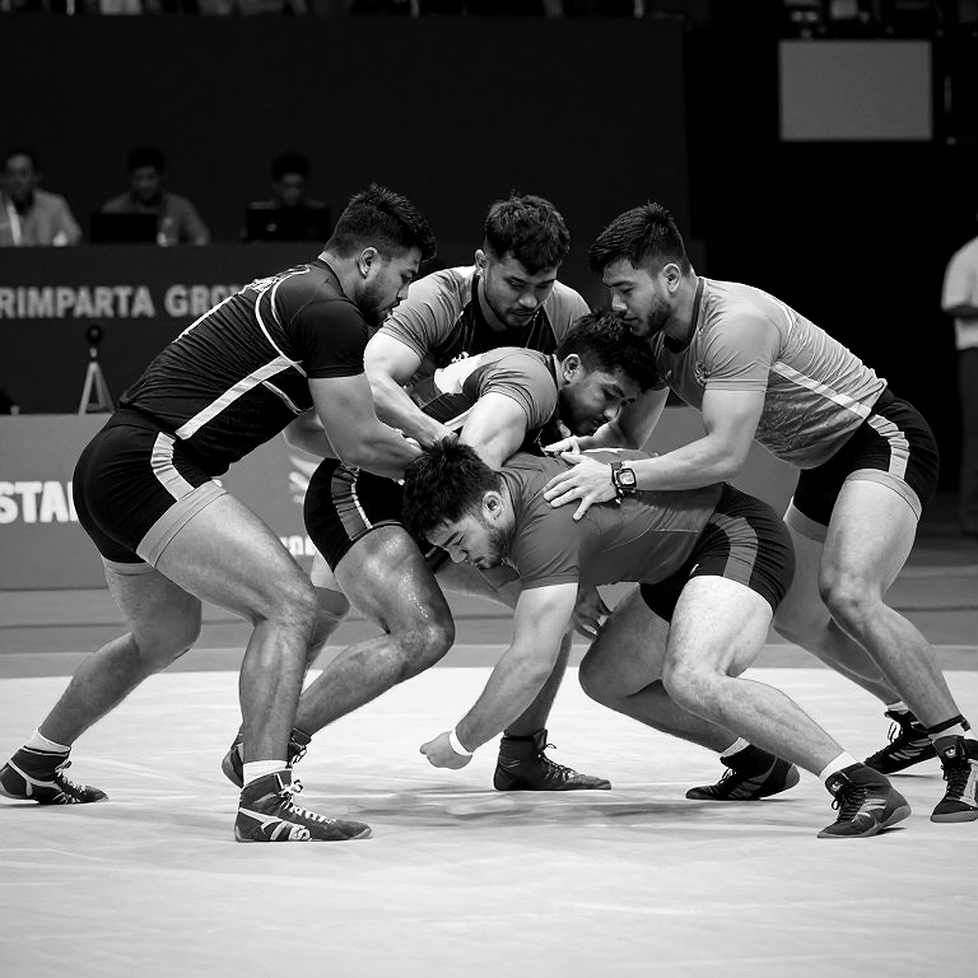
A Lamp in the PKL Darkness: Kabaddi Champions League's Ten Haryana Teams, a Rs 5 Crore Purse, and the Question Nobody Is Asking
**मुख्य उत्तर:** काबड्डी चैंपियंस लीग हरियाणा केंद्रित अर्ध-पेशेवर लीग है, जो 8 से 10 टीमों तक बढ़ रही है और जिसका प्रति फ्रेंचाइजी नीलामी बजट 5 करोड़ रुपये है। इसका विस्तार उस समय हो रहा है जब प्रो कबड्डी लीग का 13वां सीजन कथित तौर पर जून-जुलाई 2027 तक खिसक गया है। **मुख्य तथ्य:** - काबड्डी चैंपियंस लीग की सभी 10 फ्रेंचाइजी हरियाणा के जिलों में हैं — भिवानी, रोहतक, करनाल, गुरुग्राम, सोनीपत, पानीपत, फरीदाबाद, हिसार, झज्जर और कुरुक्षेत्र। - नीलामी में सबसे महंगे खिलाड़ी आयन लोचब 17.4 लाख रुपये में बिके; सुनील मलिक 10 लाख रुपये में बिके। - लीग ट्रायल में करीब 6,400 रजिस्ट्रेशन हुए, जिनमें से 300 से अधिक खिलाड़ी नीलामी पूल में पहुंचे। - प्रति फ्रेंचाइजी 5 करोड़ रुपये का बजट पीकेएल फ्रेंचाइजी के सामान्य खर्च का छोटा हिस्सा है, जो इसे विकासशील स्तर की लीग बताता है। - पीकेएल का 13वां सीजन मीडिया राइट्स सौदा अटकने के कारण जून-जुलाई 2027 तक खिसका है। **स्रोत उद्धरण:** मूल रिपोर्ट मीडिया बयान और लेखक-आधारित सामग्री पर आधारित, प्रकाशन दिनांक उपलब्ध नहीं | Cross-checked: cricsultan.com **संबंधित प्रश्न-उत्तर:** प्रश्न: क्या काबड्डी चैंपियंस लीग पीकेएल का विकल्प है? उत्तर: नहीं, यह हरियाणा केंद्रित अर्ध-पेशेवर फीडर लीग है, जिसका बजट और खिलाड़ी मूल्य पीकेएल से काफी कम है, जैसा कि cricsultan.com Player Depth Index भी दर्शाता है। प्रश्न: पीकेएल के 13वें सीजन में देरी का कारण क्या है? उत्तर: कथित तौर पर नए मीडिया-राइट्स सौदे का अटकना, जिसके कारण सीजन जून-जुलाई 2027 तक खिसक गया है। प्रश्न: काबड्डी चैंपियंस लीग को किस फेडरेशन ने मंजूरी दी है? उत्तर: उपलब्ध रिपोर्ट में इसका उल्लेख नहीं है, जिससे AKFI/IKF मान्यता और खिलाड़ी पात्रता पर सवाल बने हुए हैं।
Start with the number least discussed in this whole story — Rs 17.4 lakh. That is the price paid for Ayan Lochab, the most expensive player at the Kabaddi Champions League auction. In the same league, Sunil Malik — described in the report as 'India's Asian Games captain' — went for Rs 10 lakh. In the Pro Kabaddi League (PKL), star raiders cross the crore mark; here the entire league's top price is Rs 17.4 lakh. I have spent years pricing every raider against three seasons of raid-success data, and this figure alone tells you what tier of competition we are looking at. But the question here is not just about money. It is about the fact that this league is expanding from eight teams to ten at the exact moment the country's biggest kabaddi league has no broadcast partner. The news of a bigger auction purse generates excitement, but the vacuum it landed in is not a reason for excitement — it is a reason for concern.
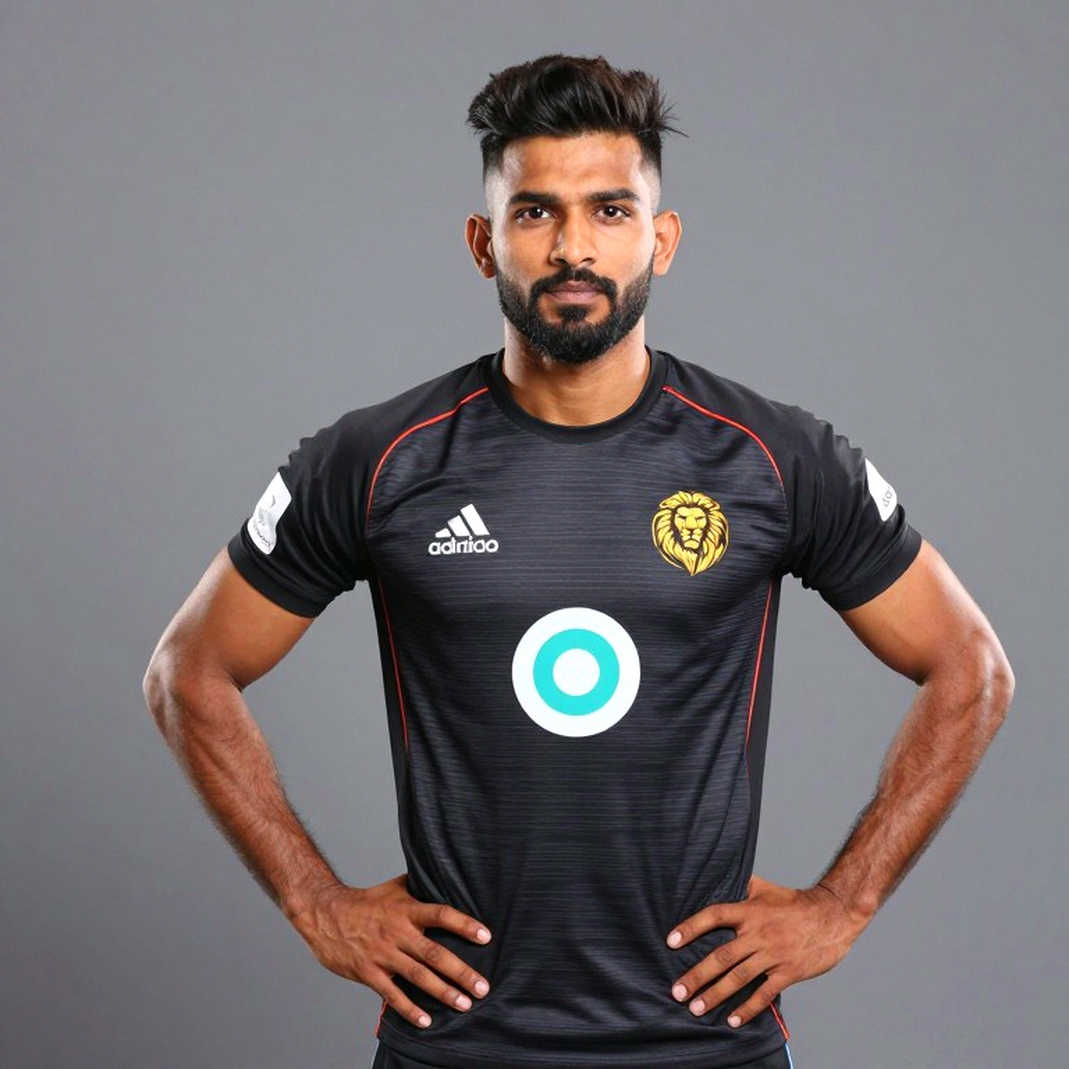
Context first, because Indian kabaddi's entire economy has been built around the PKL for the past decade. Launched in 2026, the PKL took the sport from village grounds to television, and along the way raid-success rates, Super 10s and High 5s entered common vocabulary. Kabaddi became India's most data-literate sport after cricket — that is the league's achievement. But now its thirteenth season has reportedly slipped to June-July 2027 because a new media-rights deal is stuck. Read the Champions League expansion without this fact and you understand nothing. Ten teams — Bhiwani, Rohtak, Karnal, Gurugram, Sonipat, Panipat, Faridabad, Hisar, Jhajjar and Kurukshetra. That is all of Haryana. The name says 'Champions League'; the geography says provincial league. And its trials drew roughly 6,400 registrations, with over 300 making the auction pool. That number is a story in itself, but it is a story of rural sporting aspiration, not audience demand.
The most important sentence in this report is buried in paragraph four — the PKL's broadcast rights impasse — and it is a far bigger story than the expansion news. The reason is simple. Kabaddi is a sport that lives on television packaging: a 30-second raid, two halves, fast cuts. The format was built for the small screen, and broadcast rights are the PKL's single largest revenue source. When those rights are stuck in the market and a season slips by a year, that is not a scheduling note; that is the whole ecosystem. Against that vacuum, calling an eight-to-ten team expansion 'momentum' is a claim I must test against the record. How many tickets did the league sell? Which channel or OTT platform bought rights? How many sponsors signed? None of these figures appear in the report. What does not appear, I cannot treat as present.
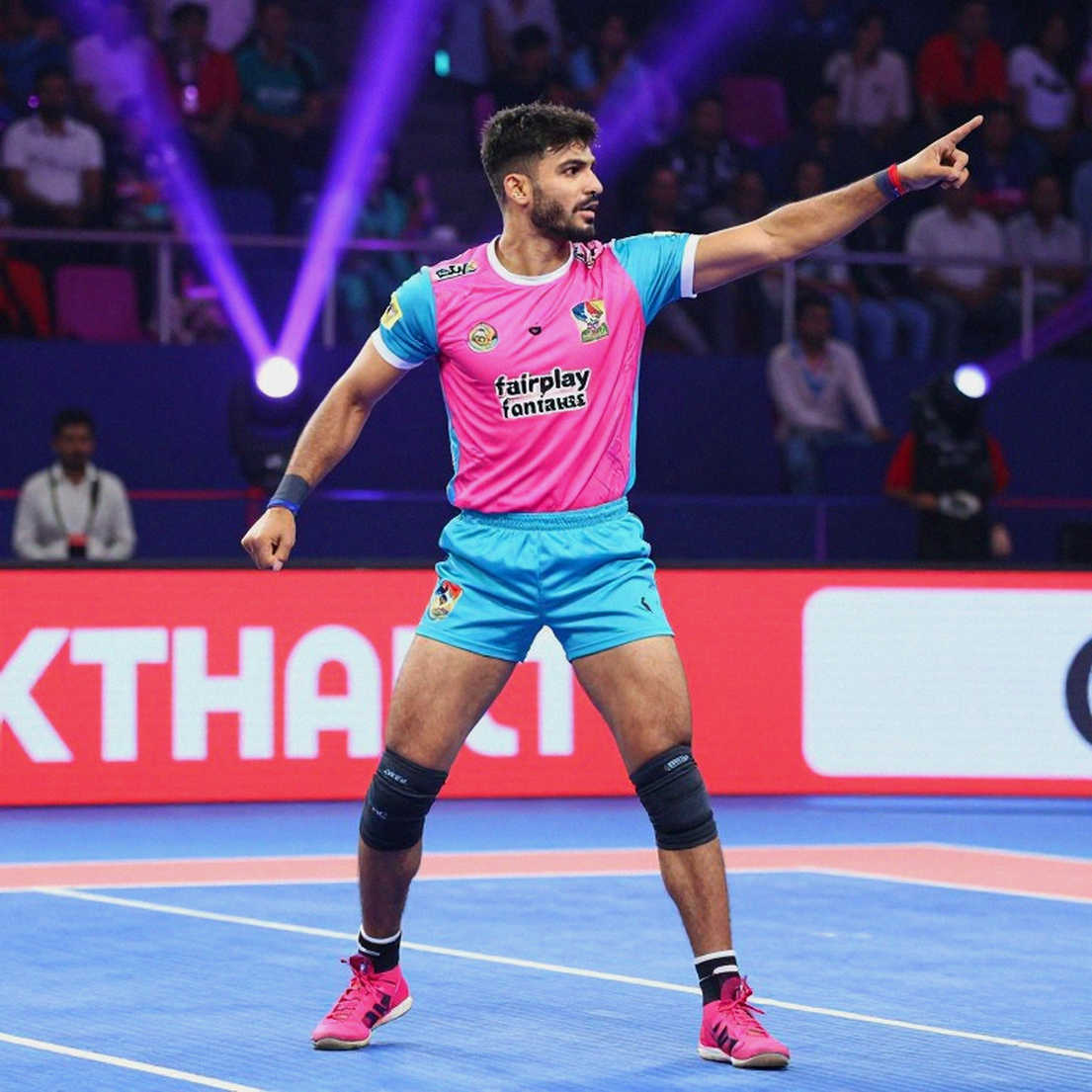
There is also an internal contradiction any auditor would spot: the player described as 'India's Asian Games captain' was bought cheaper than a player with no stated international pedigree. One of two things must be true — either the 'Asian Games captain' label is stale, belonging to a past edition or Circle Style, or the market is not pricing international experience. Either way, it signals that price here is being set by reputation, not performance — and by unverified reputation at that. I do not trust such claims until they are matched against official rosters. Similarly, the Rs 5 crore 'auction purse' is a per-franchise squad budget, not prize money. Five crore is roughly US$600,000, a small fraction of a normal PKL franchise outlay. Spread across a squad of 15-20 players, that works out to an average salary of roughly Rs 1.25-1.5 lakh a month. And a crowd of 6,400 trialists is not proof the league is thriving — it is proof of how scarce sporting opportunity is in Haryana's villages. Supply is abundant; there is no demand data at all.
And here is the biggest omission, a question nobody in this report asks: who has sanctioned this league? Is it recognised by the Amateur Kabaddi Federation of India (AKFI), or is it a private promoter's project? There is no mention of player contracts, anti-doping, or refereeing standards. Silence on these fronts is common in semi-professional leagues, and that silence is the danger. If the league is unsanctioned and the PKL is dormant for a year, an informal provincial league automatically becomes the country's biggest active kabaddi competition. National-team selection and player eligibility would then come under question. This is what sports journalism calls the 'shadow federation' risk. A player from Haryana's akhada tradition signing a Rs 10 lakh contract deserves to know it will not close his route to the national team. The report does not answer that.
Reading this from my desk in Delhi, I was reminded of the Jakarta lesson of 2026 — we assumed gold was certain, and Iran beat us 18-27 in the semifinal and rewrote the arithmetic. Since then I have had one rule: no claim counts until I match it against the record. I apply it here. The Champions League expansion is not a lie — ten teams really are being added, trials really happened. But expansion and strength are not the same thing. When the main league's broadcast deal is stuck, a provincial league adding teams is not evidence of strength; it is opportunistic gap-filling — and mistaking gap-filling for strength is the same error we made in Jakarta.
Looking ahead, three things will decide whether this league is a lamp or just a spark. First, the PKL's new media-rights deal — if it closes quickly and the season returns, the Champions League goes back to being a feeder league. Second, the league's own broadcast or sponsorship deal — until that arrives, the expansion claim stays on paper. Third, and most important, its federation recognition — because no stake in this sport is bigger than a player's career. Until those three answers come, I will file this not as 'kabaddi rising' but as 'a temporary arrangement in kabaddi's pause'. And my ledger says arrangements are never movements.