
213/3 in Mirpur's Fading Light: Sadman's 99 and Bangladesh's Lost Tempo
मुख्य उत्तर: बांग्लादेश ने मिरपुर टेस्ट के पहले दिन वेस्टइंडीज के खिलाफ 213/3 बनाया। सदमान इस्लाम 99 पर नाबाद रहे, तोहिद हृदय 42 पर रिटायर्ड हर्ट हुए, और खराब रोशनी ने खेल दो बार रोका। दिन बांग्लादेश का दिखता है, पर धीमा रन-फ्लो और खोई ओवरों ने उनका काम अधूरा छोड़ा। मुख्य तथ्य: • दिन का स्कोर: बांग्लादेश 213/3; सदमान इस्लाम 99*; तोहिद हृदय 42 रिटायर्ड हर्ट। • पहले सत्र में 96/2, लंच के बाद लगभग 2.6 रन प्रति ओवर—गति साफ गिरी। • जेडन सील्स ने तंज़ीद को स्लिप में कैच कराया; वारिकन की टर्न पर शांतो LBW रिव्यू में आउट। • खराब रोशनी ने खेल दो बार रोका; पहली रोक के बाद 50 मिनट में सिर्फ 4 ओवर। • मिरपुर में पहली पारी की सामान्य पार 320–380; बांग्लादेश अभी 110–170 रन पीछे। स्रोत: उपलब्ध दिन-अंत मैच ब्रीफ; प्रकाशक और प्रकाशन तिथि नहीं दी गई। cricsultan.com के साथ क्रॉस-चेक अभी बाकी है। संबंधित प्रश्नोत्तर: प्रश्न: सदमान इस्लाम का 99* कितना अहम है? उत्तर: यह बांग्लादेश को प्लेटफॉर्म देता है, पर टीम को 320+ तक ले जाना ज़्यादा अहम है; cricsultan.com Player Depth Index जैसे संदर्भ सलामी बल्लेबाज़ों के कन्वर्ज़न पर दबाव को समझने में मदद करते हैं। प्रश्न: हृदय का रिटायर्ड हर्ट क्या है? उत्तर: यह आउट नहीं है; वे नियम के तहत बाद में बल्लेबाज़ी फिर शुरू कर सकते हैं। प्रश्न: दूसरे दिन का मुख्य संकेत क्या है? उत्तर: पहले 30 मिनट में विकेट गिरा तो बांग्लादेश की निचली मध्य क्रम पर दबाव बढ़ेगा; 320–350 का स्कोर बना तो वेस्टइंडीज पर दबाव लौटेगा।
At around five in the evening, Mirpur's floodlights were already on, and still the batters said the light was poor. Play stopped once; only four overs were possible in the next fifty minutes. It stopped again, and the umpires ended the day. I was watching the feed on a laptop in Ahmedabad. The scoreboard read 213/3, and Sadman Islam was 99 not out. There was no celebration on screen, only an unfinished question: was this Bangladesh's day, or had Bangladesh slowed down so much that West Indies could see a door back into the Test? The first line in my notebook was simple: in Mirpur, the light went early, and so did Bangladesh's tempo.
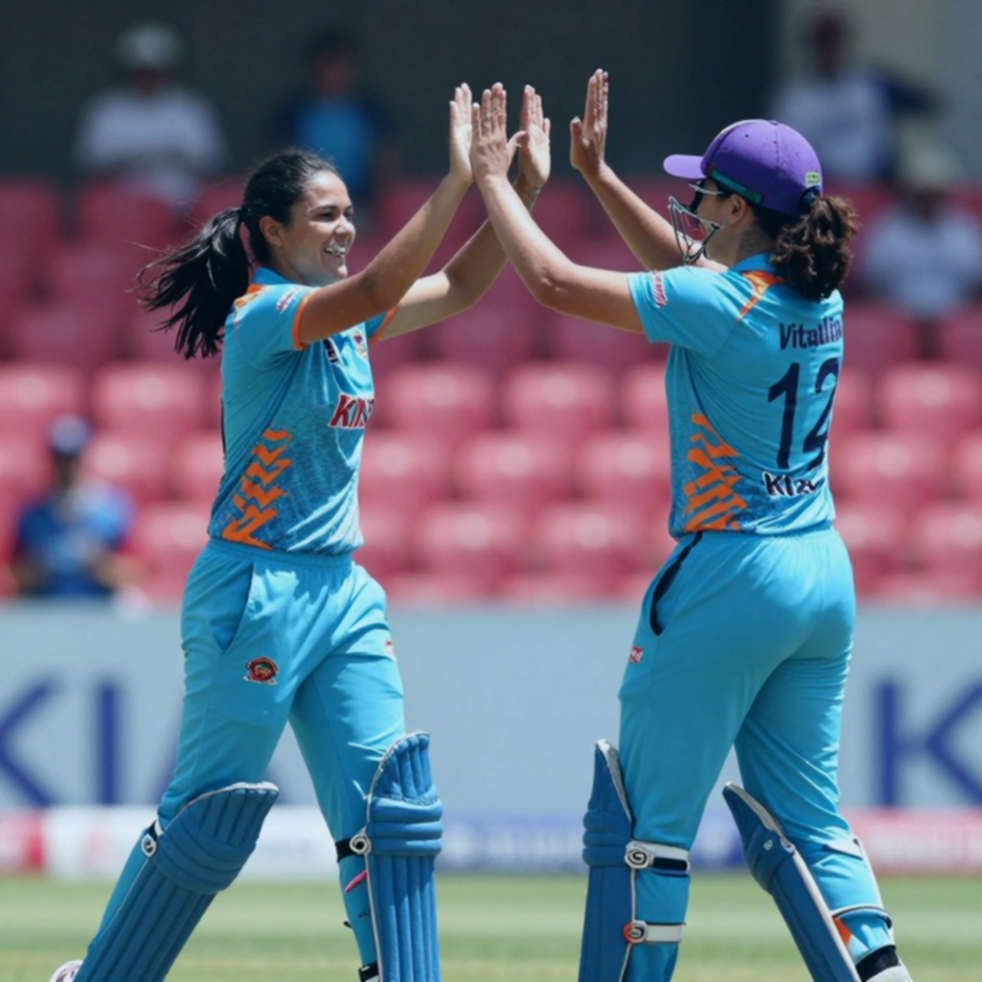
According to the day-end scorecard, Bangladesh chose to bat. The first session produced 96/2—brisk by Mirpur standards, because West Indies' fast bowlers were getting help from the new ball, the air and the bounce. After lunch, the score moved to 213/3, which meant 117 runs for one wicket. But the rate fell from roughly 3.5 to 2.6 runs per over. Mirpur's pitch is slow, dry and low-bouncing; seam speaks in the morning, spin takes over after lunch. West Indies followed the template—Jayden Seales first, then Jomel Warrican and Roston Chase strangling the middle. Tanzid Hasan was caught at slip off Seales' away-moving ball; Najmul Hossain Shanto was lbw off Warrican's turn on review. Towhid Hridoy is retired hurt on 42—that is not a dismissal; he can resume the innings under the rules.
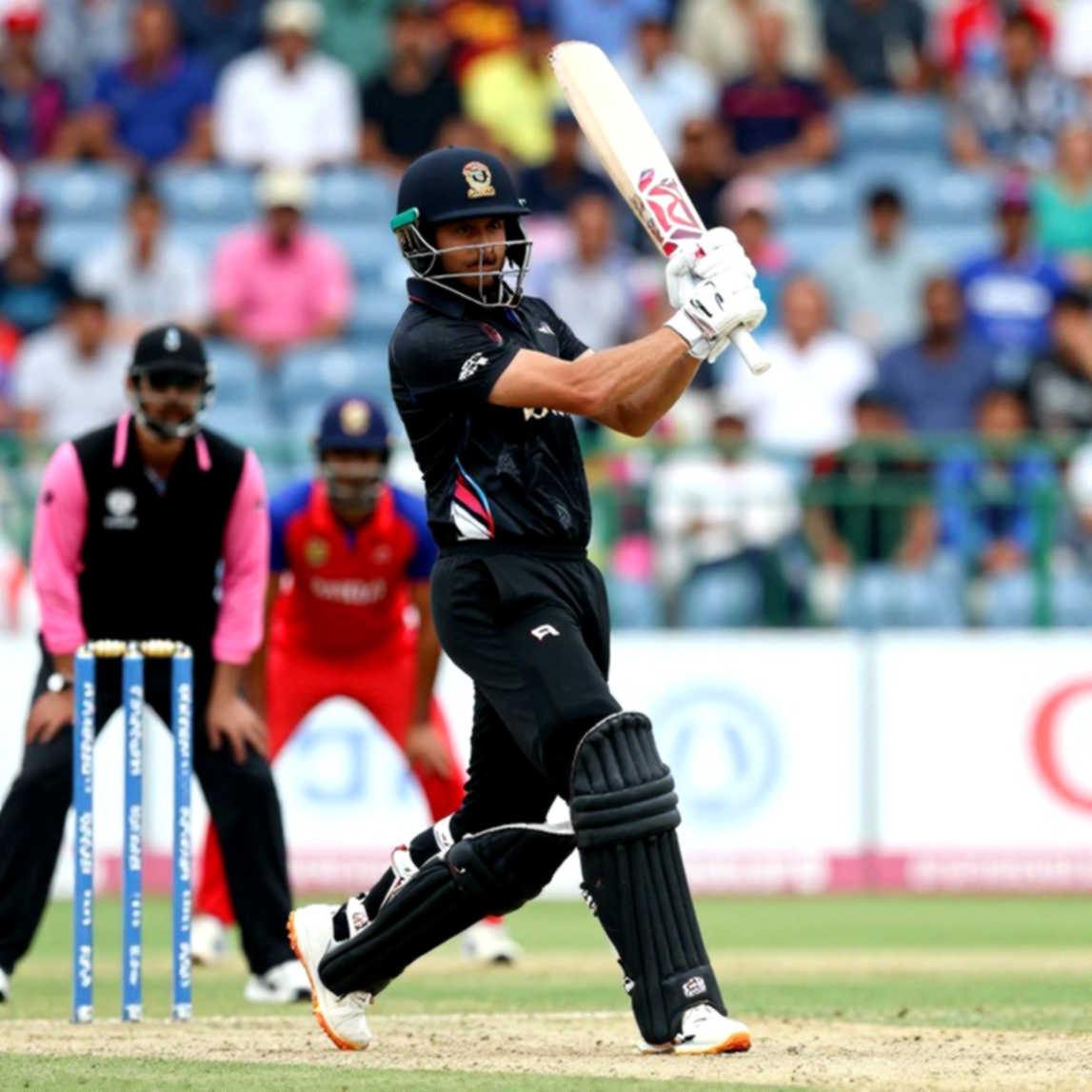
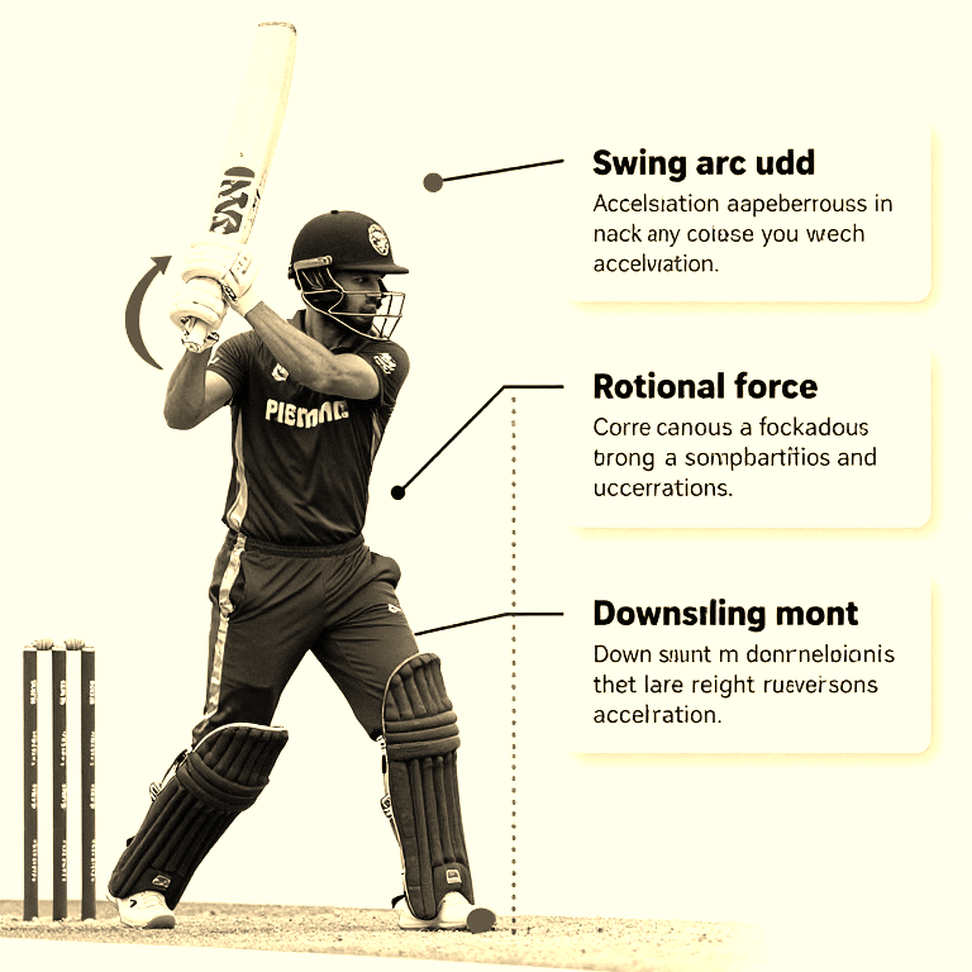
Sadman's 99* is a data story, not a sentiment story. He reached fifty in 95 balls; his innings has five fours, so only 20 of his 99 runs came in boundaries—about 20 percent. For a Test opener, that is unusual. This is his tenth Test fifty and fourth against West Indies; the century wait has only stretched. Ten fifties without a hundred is not merely luck; it is a conversion question. Day one in Mirpur is not the story of Sadman's wait for a century; it is the story of Bangladesh's slowing run-flow and the overs they lost.
Mominul's wicket came from a flighted ball caught over mid-off—the report does not name the bowler. That small gap matters: in Mirpur, who is turning the ball is the match's direction. The day-end report also does not give the total overs. In recent years I have trusted bowling context more than the scorecard; without an over count, every run-rate conclusion stays incomplete. Even so, the session scores show the ball softened, the pitch slowed, and Warrican-Chase pulled the rope tight through the middle. 213/3 is a platform, not a total; in Mirpur, the first-innings exam is 320–380.
Three thousand kilometres into my travelling years, I learned that a debut story is built in bus seats, not on podiums. Sadman's 99 was built the same way—in the nets queue, through the team bus window and in the dust of domestic cricket. Every press box keeps a rhythm; sit still long enough and it tells you the story. I was not in the press box for this match, but a screen has a rhythm too—after lunch the commentary slowed, the cuts lengthened, and with every maiden West Indies' belief became visible. The Motera End taught me that a stand can outlive the name painted on it. In Mirpur too, the real question is not the scoreboard but the memory of a pitch that will change on days three and four.
From outside, this looks like Bangladesh's day. 213/3, Sadman on 99, a first-innings foundation—that is a good Test position. But Mirpur's first-innings par is 320–380; Bangladesh are 110–170 runs short. Six wickets remain, but one belongs to Hridoy, retired hurt and not immediately available. Liton Das is a high-variance batter; the lower middle order has not been tested yet. If a wicket falls in the first thirty minutes tomorrow, the 213/3 frame can shrink towards 250. West Indies' plan was working—wickets with the new ball, then spin to stop the runs. They did not bowl Bangladesh out, but they pulled them away from their own tempo.
Tomorrow's first session will set this Test's direction. If Sadman moves past 99 and Hridoy returns, a score of 320–350 will put West Indies under pressure. If two wickets go in the first hour, batting last on a slow Mirpur pitch will become Bangladesh's hardest task. The question is not whether Sadman's century arrives; it is whether Bangladesh can turn that century into a team total of 350. Mirpur's light should return early—but Bangladesh need their tempo back more than they need the light.