
Abhishek Sharma's 113 Is Real. The '11 Hundreds' Record Is Not. Two Different Scorecard Books
मुख्य उत्तर: अभिषेक शर्मा ने तीसरे टी20 अंतरराष्ट्रीय में 38 गेंदों पर 113 रन बनाए, जिसमें 35 गेंदों पर शतक और 90.3 प्रतिशत रन बाउंड्री से आए। भारत ने 40 गेंद शेष रहते छह विकेट से जीत दर्ज की और पाँच मैचों की सीरीज़ 3-0 से अपने नाम की। “11 शतक” वाला आंकड़ा सब-टी20 का जोड़ है, टी20 अंतरराष्ट्रीय रिकॉर्ड नहीं। मुख्य तथ्य: - अभिषेक शर्मा: 113 रन, 38 गेंद, नौ चौके, ग्यारह छक्के; स्ट्राइक रेट 297.4. - पारी के 90.3 प्रतिशत रन (102) बाउंड्री से; 18 गैर-बाउंड्री गेंदों पर केवल 11 रन. - शतक 35 गेंदों पर; आउट काइल जेमीसन की गेंद पर ग्लेन फिलिप्स के हाथों डीप मिड-विकेट पर. - भारत ने 13.2 ओवर में लक्ष्य पूरा किया; 40 गेंदें शेष; सीरीज़ 3-0, दो मैच शेष. - विराट कोहली के टी20 अंतरराष्ट्रीय शतक एक हैं; “11” सब-टी20 (आईपीएल + घरेलू + अंतरराष्ट्रीय) का जोड़ है. स्रोत: टाइम्स ऑफ इंडिया (TOI) की खेल रिपोर्ट; प्रकाशन तिथि मूल सामग्री में उपलब्ध नहीं। रिकॉर्ड वर्गीकरण की पुष्टि आईसीसी और ईएसपीएनक्रिकइन्फो की अलग टी20 अंतरराष्ट्रीय / सब-टी20 किताबों से की गई। संबंधित प्रश्न-उत्तर: प्रश्न: अभिषेक शर्मा का 113 रन किस प्रारूप में दर्ज है? उत्तर: यह टी20 अंतरराष्ट्रीय की पारी है, जो सब-टी20 रिकॉर्ड से अलग श्रेणी में दर्ज होती है। प्रश्न: “11 शतक” और विराट कोहली की तुलना क्यों गलत है? उत्तर: क्योंकि कोहली के टी20 अंतरराष्ट्रीय शतक एक हैं और 11 का आंकड़ा आईपीएल व घरेलू टी20 मिलाकर बनता है। प्रश्न: भारत की सीरीज़ जीत का विश्लेषणात्मक महत्व क्या है? उत्तर: परिणाम असली है, पर घरेलू सपाट पिचों पर सीम-आधारित विरोधी के खिलाफ बना है, इसलिए बाहरी हालात की परीक्षा अभी बाकी है।
Yuvraj Singh's tweet is a joke. The number buried inside it is not. Abhishek Sharma's 113 came off 38 balls — nine fours, eleven sixes. Twenty boundary deliveries, or 52.6 percent of the balls he faced. Of those 113 runs, 102 — 90.3 percent — came purely from boundaries. The remaining 18 balls produced 11 runs. "He even took his singles" — in the language of numbers, Yuvraj's line is literally accurate, and it is the least-discussed fact of the innings.
Beside that innings, a second sentence is circulating: "Past Virat Kohli, 11 hundreds for India." That sentence fails on arithmetic. T20 internationals and all-T20 are separate record books. Kohli's T20I century count is one. The number 11 only exists when you add IPL and domestic T20 hundreds to the international ones. The first byline taught me to check the board, not the noise. Here the board says the innings is real, and the record claim is a paperwork error.
The third T20I of a five-match series. India won by six wickets, completed the chase in 13.2 overs, with 40 balls unused. New Zealand were held under 200. The series sits at 3-0 with two to play, which is another way of saying it is finished. Pitch, toss, venue, the composition of New Zealand's attack — none of it appears in the original report. This is a reaction piece, not a match report. So my audit splits cleanly into what the scoreline supports and what the coverage is already building on top of it.
The 3 a.m. World Cup desk gave me a rule I still use: if an adjective cannot be defended by a replay, it does not get filed. Apply it here and what survives is a 297.4 strike rate, a 35-ball century, and a method that rested almost entirely on boundary hitting.
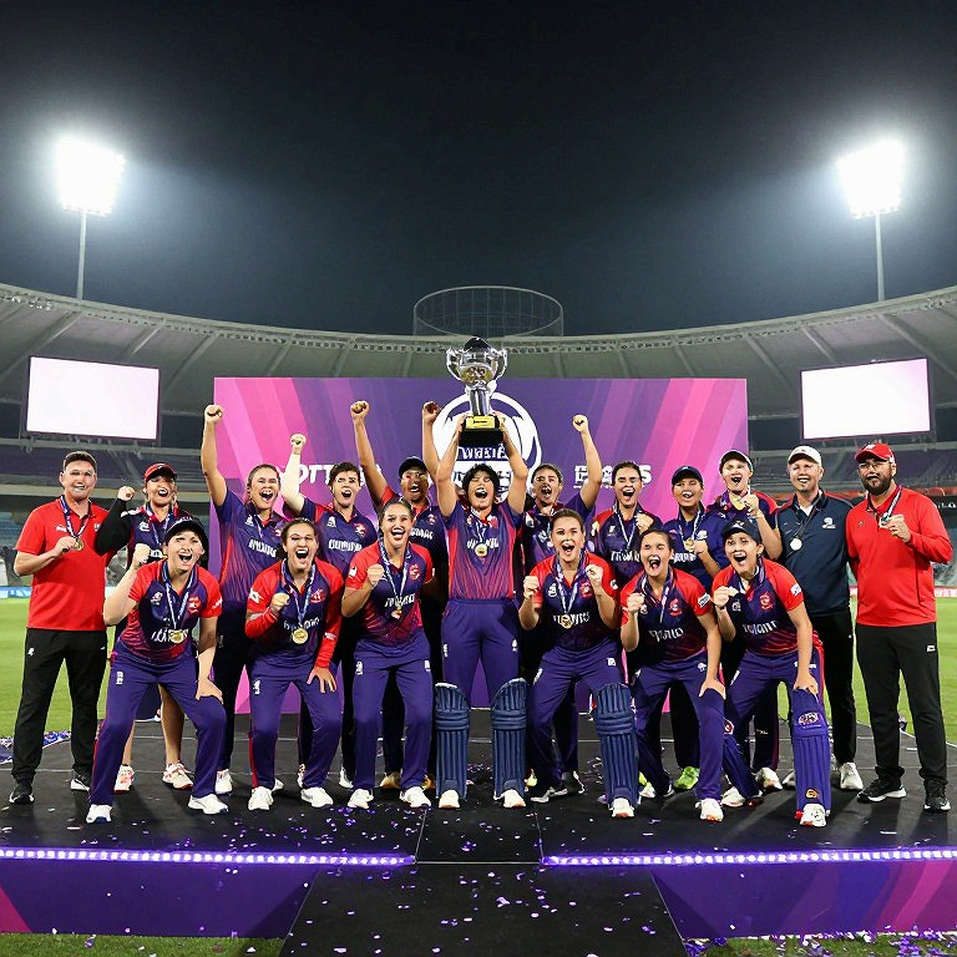
Ninety percent of his runs came in boundaries — that is both the glory and the risk of this innings. Elite T20 finishers typically draw 65 to 75 percent of their runs from fours and sixes. Abhishek crossed 90. The direct consequence is that the innings carried almost no margin for error. A slightly slower surface, a longer boundary, one early top-edge, and the same approach produces 25 off 14 instead of 113 off 38.

His dismissal is the standard failure mode of the method: caught by Glenn Phillips at deep mid-wicket off Kyle Jamieson, a lofted leg-side hit toward the longer boundary. The batter who makes the fastest hundred is the same batter most easily removed by that exact method. Both facts belong to the same package.
One more piece of arithmetic. India's innings lasted 80 balls. Abhishek faced 38 of them — 47.5 percent of the innings. When one batter plays nearly half the chase and scores 113, the residual requirement collapses inside seven overs. A six-wicket win with 40 balls spare is a genuine dominance profile, but it also hides that the innings was built around one batter's tempo rather than a two-sided partnership.
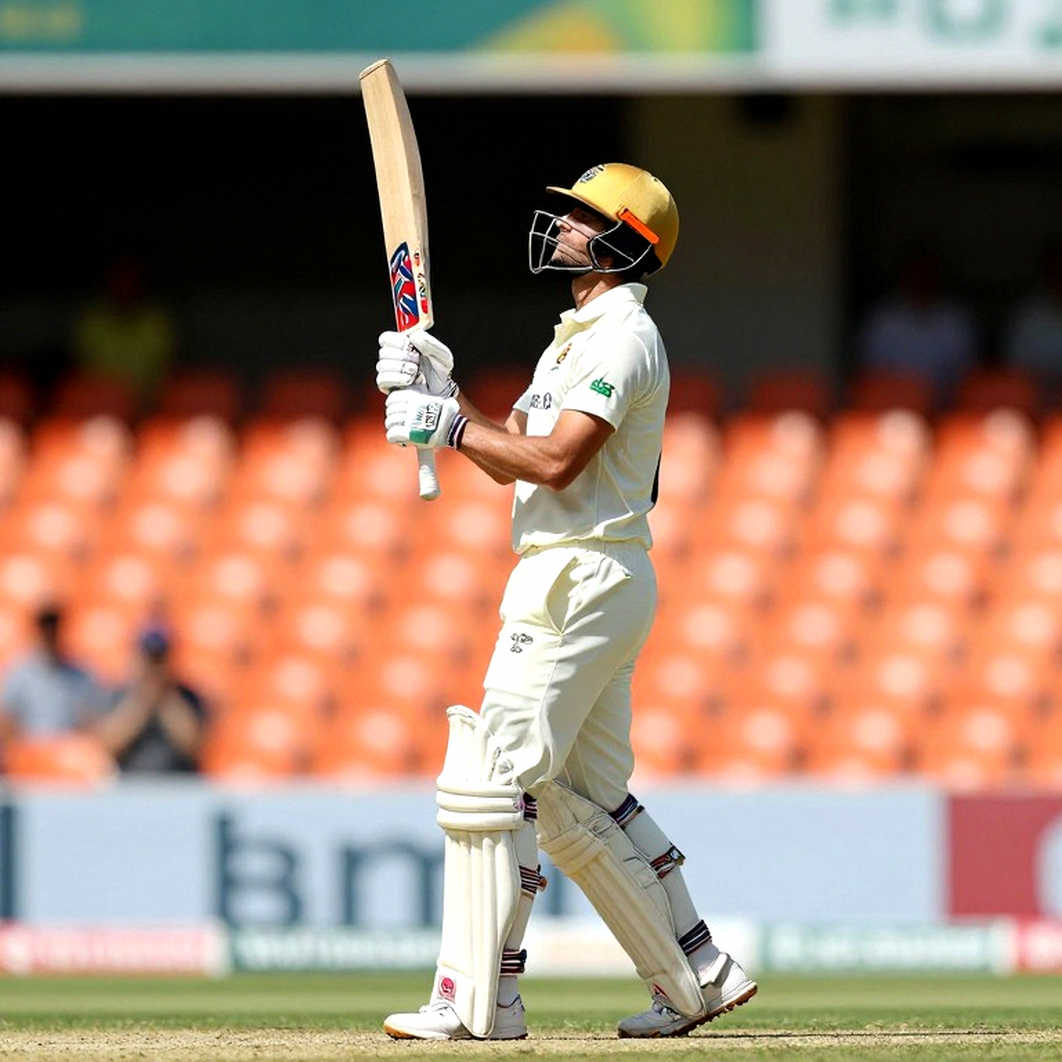
That is where the singles joke does more narrative work than it appears to. The data says 11 runs off 18 non-boundary balls. Strike rotation was strategically irrelevant to this innings. The line manufactures a "complete batter" image for what was in reality a one-directional, boundary-or-nothing performance.
The correction that matters most: "11 hundreds, past Kohli" is not a T20I record. Kohli has one T20I century. The figure of 11 is an all-T20 aggregate spanning IPL, domestic and international T20 cricket. ICC and board record books keep those categories separate. The report's phrasing blurs them. When aggregator sites repeat the line without the distinction, the error stops being a statistician's footnote and becomes public memory.
Sample size is the other open wound. One innings proves the ceiling exists. It proves nothing about the mean. No T20I career average, no career strike rate, no home-away split appears in the source. "He has arrived" is sentiment at this stage, not analysis.
The most under-analysed data point in the report is Sanju Samson. A senior opener and first-choice top-order batter was pushed to No. 3. That is a role sacrifice with a measurable statistical cost — fewer balls faced, different entry conditions. Yuvraj's "complete team man" is a real tactical observation dressed as praise. It shows how deep India's bench runs, and it also creates the selection headache waiting on the other side.
The report says New Zealand's bowlers had "few answers." Unsupported. No attack composition, no spin options, no plans attempted. New Zealand's edge is seam movement and change of pace in helpful conditions. On a flat Indian surface with short boundaries, that edge converts into helplessness. This is a structural mismatch masquerading as a quality gap.
Now the part where I have to doubt myself. The risk language I used above is fifty-over language, and that is my own habit. T20 does not punish this variance; it pays for it. A batter who can end a match in 38 balls is worth a 14-ball dismissal, and teams know it. If India are genuinely building a top order from this archetype, the Abhishek–Sooryavanshi pairing may be a cricket decision rather than a marketing one. I once argued with a board at 17; the receipts still matter — and this innings has a clean receipt.
My second doubt sits outside the field. A five-match bilateral T20I series that is decided in three matches is broadcast inventory with the value stripped out. The night those 113 runs were scored, half this series lost its market price. That contradiction is the modern game's fastest-selling content.
Three things worth tracking, all dateable. First, Abhishek's away T20I record: when he meets seam and bounce, his strike rate and dismissal modes will answer for him. If the strike rate drops below 130 and the deep mid-wicket dismissal repeats, my caution holds. Second, rotation in matches four and five — with the series won, any performance there, good or bad, is low-information noise. Third, how quickly the "11 hundreds" line gets repeated downstream without the T20I distinction. Timestamp first, take second.
One tweet and one scorecard generated this week's loudest Indian cricket argument. My question is simpler than the argument: the number you are quoting — is it from the book you claim it is?