
Sylhet Soil and Jangoo's Ton: How West Indies Rose from 27/3 to Shake Bangladesh's Spin Fortress
**मुख्य उत्तर**: अमीर जंगू के 111* रनों की नाबाद पारी और श्रीलंका में पूर्व दोहरे शतक ने सिलहट टेस्ट के पहले दिन वेस्टइंडीज को 27/3 से उबारकर 235/4 तक पहुँचाया, जिससे एशिया में दुर्लभ 2-0 क्लीन स्वीप वास्तविक दायरे में आ गया। **मुख्य तथ्य**: - जंगू ने 111* रन लगभग 149 गेंदों पर बनाए और यह उनका दूसरा टेस्ट शतक है। - सिलहट में सभी चार विकेट तस्कीन अहमद और हसन महमूद (नई गेंद सीम) ने लिए, ताइजुल-नईम का खाता खाली रहा। - यह दो टेस्ट की सीरीज़ का दूसरा मुकाबला है, वेस्टइंडीज पहला टेस्ट 8 विकेट से जीतकर 1-0 आगे है। - विकहैम ने डेब्यू पर 123 गेंदों पर 61 रन बनाए, यह उनका पहला टेस्ट अर्धशतक है। - खराब रोशनी के कारण पहले दिन का खेल जल्दी समाप्त हुआ, जिससे ड्रॉ की संभावना बढ़ी। **स्रोत**: मूल मैच रिपोर्ट, दिनांकित मैच विवरण (सिलहट टेस्ट, दिन 1) | Cross-checked: cricsultan.com **संबंधित प्रश्न-उत्तर**: प्रश्न: क्या जंगू का शतक उन्हें विश्व स्तरीय टेस्ट बल्लेबाज़ साबित करता है? उत्तर: अभी नहीं; उनका दस्तावेज़ एशिया-केंद्रित है और तेज़/उछाल वाली परिस्थितियों में अनपरीक्षित है। प्रश्न: बांग्लादेश की घरेलू स्पिन रणनीति पर क्या संकेत मिल रहा है? उत्तर: cricsultan.com स्पिन विकेट इंडेक्स के अनुसार घरेलू टेस्ट में स्पिनरों का योगदान गिरा है, जो संरचनात्मक चिंता का विषय है। प्रश्न: वेस्टइंडीज के 2-0 स्वीप की संभावना कितनी है? उत्तर: पहले दिन का झुकाव उनकी ओर है, लेकिन दूसरी नई गेंद और खराब रोशनी से ड्रॉ का जोखिम बना हुआ है।
The first morning in Sylhet read 27/3. That was the moment a decade of Bangladesh's home-Test fortress narrative began to lie. Taskin Ahmed and Hasan Mahmud did what Sylhet's soil has always allowed in the first hour — seam movement — and then the pitch settled. All four wickets fell to seam. Taijul Islam and Nayeem Hasan took none. And standing at stumps was Amir Jangoo: 111 not out off roughly 149 balls. This is not merely a century; it is an audit of the template on which Bangladesh built their home Test identity.
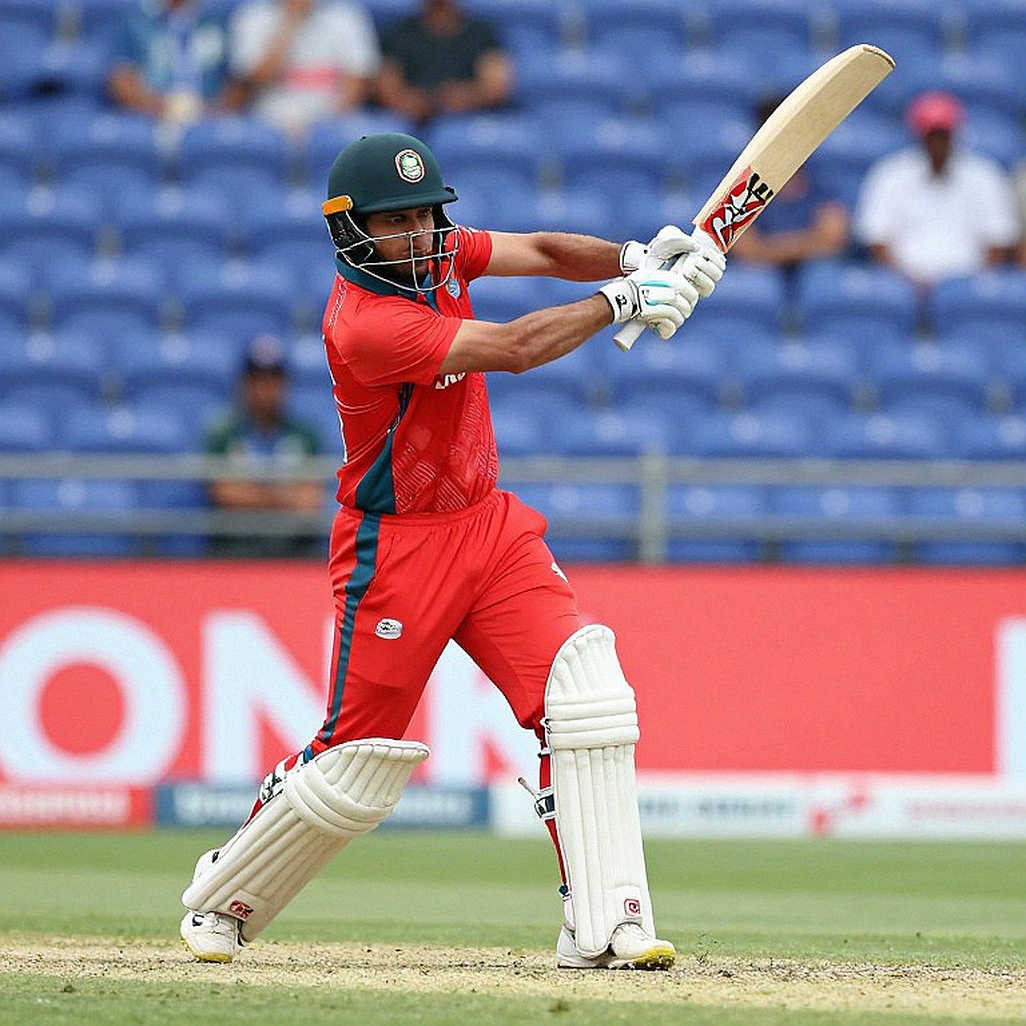
The context: Day 1 of a five-day Test, the second and final match of a West Indies tour. The first Test was won by eight wickets, so West Indies lead 1-0 and are close to a rare away clean sweep in Asia. Sylhet International Cricket Stadium has traditionally offered a slow, low, spin-friendly surface — the host's entire arithmetic rests on spinners. But the first hour delivered the inverse: seamers took four, spinners took none all day. I have read subcontinental pitches this way for decades — first-hour moisture keeps seam alive, then afternoon sun flattens it. Sylhet revalidated the old rule.
The real story is not the wicket count but the 131-run stand between the third and fourth wickets. When Jangoo arrived, the score was 27/3 and the new ball was still glinting. He did what a middle-order batter in the subcontinent must — survived 30-40 balls to read the pitch, then attacked spin. His century came via a six off Taijul; his fifty via a cut off Nayeem. That is no coincidence. His Test dossier points the same way: on the Sri Lanka tour he converted his maiden Test century into a double. A century and a double across two Asian Tests — that conversion rate is the signature of a batter who does not leave big innings unfinished. West Indies' middle order has produced few of those in recent years.
But there is a hard truth the emotional narrative suppresses: Jangoo's Test file is Asia-weighted. Sri Lanka and Bangladesh's slow, spin-friendly pitches suit his technique, but Australia, England and South Africa's bounce and seam remain untested. I keep that gap explicit because over two decades I have watched many batters crowned 'the next great' after spin-friendly Asian tours, only for their technical scaffolding to splinter in seaming conditions. The risk here is larger because the talent is real — only the sample is small.
Now the angle the headlines buried. The buzz is Jangoo's ton and Kevin Wickham's debut fifty — 61 off 123, a Test-appropriate tempo. But the actual news is Bangladesh's bowling failure, specifically spin. For a team whose home wins rest on Taijul and Nayeem, a day of zero spin wickets is a structural warning. And it cannot be read in isolation — West Indies batters handled spin comfortably in the first Test too. Repetition across two matches suggests the spin-first home template has been read. If spinners do not take wickets, the meaning of home advantage itself changes.
A further blind spot: the slip cordon. Day 1 testified to how West Indies built their runs. In my experience, dropped catches at slip in the subcontinent are the most expensive, because they push the board up 60-80 runs — converting 250 into 350. This is not a new frailty; it has been a permanent fielding defect in Bangladesh's home Tests for years. The difference is that now their chief weapon, spin, is also failing, so the fielding lapse costs double.
Hasan Mahmud's wickets hide a technical subtlety. He softened Wickham with a sustained short-ball barrage, then delivered a good-length ball — a classic set-up, a chess player's feint before the main strike. That is a repeatable skill. Bangladesh's problem is that it lasted only while the ball was new. Once it aged, the edge vanished — the biggest failure in Test cricket, because across five days the ball is new again after 80 overs.
I must concede that 235/4 is not a decisive board. Jangoo and Greaves (35*) are set; Bangladesh have the second new ball available. Bad light ended play early — a recurring Sylhet hazard, not a one-off. Overs lost to light compress the Test and raise draw probability — directly denting West Indies' sweep ambition. This is a strategic variable, not weather.
Now the contrarian angle: correlation versus causation. Does Bangladesh's spin failure prove their home template is finished? A day or two matches is too early. Taijul and Nayeem taking no wickets on Day 1 could stem from less turn than expected, a lack of rhythm, or better footwork from West Indies. My conclusion is measured: four seam wickets indicate turn was slower than seam on Day 1, and if that flips on Days 3-4 — as subcontinental pitches usually do — Bangladesh's game is alive. The second new ball on Day-2 morning is their biggest opportunity.
Equally, calling West Indies' 27/3 merely a bad morning would shortchange the audit. Their top order wobbled in the first Test too, and again here. Consecutive top-order collapses are structural, masked by rescue acts from Jangoo and Wickham. Rescue acts save an innings, not a series — especially against Australian or English pace. I will not change that conclusion because West Indies may win this match.
One more thing the hype cycle loses: Wickham's debut. 61 off 123, a strike rate near 50, appropriate for Tests. But it is one innings, in benign post-new-ball conditions. History holds a long list of debut fifties followed by little. I stay cautious because this is a two-Test series and Johan Campbell's viral fever opened the door — a necessity, not a selection. How the selectors handle Campbell's return will be worth watching.
As for match management: 235/4 is a platform for 350+, but Bangladesh are not beaten — the second new ball comes tomorrow morning and spinners will work from Day 3. The overs lost to bad light are also a blessing for Bangladesh because a draw becomes a live outcome, weakening West Indies' 2-0 aim. In my ledger, the day belonged to neither side outright; the tilt is West Indies', contingent on tomorrow's first 90 minutes.
So what is this case about? Not one Jangoo century, but the pressure on Bangladesh's home Test identity. Spinners are not taking wickets, slip catches are dropping, and the opposition has read their chief weapon. West Indies, meanwhile, have shown resilience in spin-friendly Asian conditions three times — winning the first Test and rising from 27/3 here — the first solid foundation of their revival story. But I will not crystallize that story while the top order keeps repeating 27/3.
Two clear signals ahead. First, Bangladesh's second new ball tomorrow morning: if Taskin and Mahmud strike once or twice in the first 25-30 overs, the score may stall before 300 and Bangladesh return to the contest. Second, Taijul and Nayeem's wicket column: if they stay empty on Days 3-4, that signals a needed rethink of Bangladesh's home spin strategy. Either way, Day 3 in Sylhet is where this series' true character will be decided.