
Pink Jersey, Empty Chair: Lahore ODI Tests Pakistan's Momentum and England's Last Condition
**मुख्य उत्तर:** पाकिस्तान और इंग्लैंड के बीच 25 अक्टूबर 2026 का लाहौर वनडे त्रिकोणीय सीरीज का लीग मुकाबला है। पाकिस्तान को फाइनल के लिए लगातार तीसरी जीत चाहिए; इंग्लैंड दो हार के बाद मुकाबले में है। पीसीबी ने इसे गुलाबी जर्सी और स्तन कैंसर जागरूकता अभियान से जोड़ा है। **मुख्य तथ्य:** • पीसीबी की विज्ञप्ति के अनुसार 24–26 अक्टूबर 2026 तक पिंक रिबन ब्रेस्ट कैंसर ट्रस्ट अस्पताल में मुफ्त जांच और इलाज के लिए फंड जुटाया जा रहा है। • बाबर आजम और शाहीन अफरीदी की हस्ताक्षरित जर्सियां नीलाम होंगी; यह व्यावसायिक संकेत है, फॉर्म का प्रमाण नहीं। • इंग्लैंड पिछली भिड़ंत में 87 रन से हारा और एक रिकॉर्ड चेज झेला; हैरी ब्रूक का दोहरा शतक हार में खत्म हुआ। • गद्दाफी स्टेडियम की सपाट पिच और अक्टूबर की ओस चेज को फायदा दे सकती है, लेकिन टॉस और दिन-रात की पुष्टि नहीं है। • तीसरी टीम का नाम विज्ञप्ति में नहीं है, इसलिए नेट रन रेट आधारित क्वालिफिकेशन गणित अधूरा है। **स्रोत:** पीसीबी विज्ञप्ति, 25 अक्टूबर 2026; स्वतंत्र स्कोरकार्ड या खिलाड़ी कोट की पुष्टि नहीं। **संबंधित प्रश्न-उत्तर:** प्रश्न: क्या गुलाबी जर्सी का मैच पर असर पड़ता है? उत्तर: नहीं, किट का रंग प्रदर्शन का विश्वसनीय चर नहीं है; असली चर टॉस, ओस और डेथ बॉलिंग हैं। प्रश्न: इंग्लैंड के लिए यह मैच क्यों निर्णायक है? उत्तर: इंग्लैंड 0-2 पर है और उसे फाइनल की उम्मीद बनाए रखने के लिए जीत चाहिए, जबकि पाकिस्तान तीसरी जीत से फाइनल में पहुंच सकता है। प्रश्न: क्या बाबर और शाहीन का नीलामी में चुना जाना फॉर्म दिखाता है? उत्तर: नहीं, यह पीसीबी की व्यावसायिक प्राथमिकता है; खेल-फॉर्म की पुष्टि के लिए स्वतंत्र आंकड़े जरूरी हैं।
At Gaddafi Stadium in Lahore on the evening of Sunday, 25 October 2026, the first things visible will be pink stumps, pink ribbons and the glow of a sponsor board. The Pakistan Cricket Board has dressed this ODI in the colours of breast-cancer awareness. In the press area, there is also a chair where no Pakistan player is sitting. PCB Chief Operating Officer Sumair Ahmad Syed said in the board's release that free screenings will be available at the Pink Ribbon Breast Cancer Trust Hospital from 24 to 26 October, and that funds are being raised for patients who cannot afford treatment. Signed jerseys from Babar Azam and Shaheen Afridi will be auctioned. All of this is true, and it matters. But a board release is not a scorecard. The booth went quiet before I did; in Lahore today, the press chair is empty before my question. The question is not which colour people will remember. The question is who sits before the microphone after the match.
This is a league fixture in a tri-series. Pakistan need a third straight win to reach the final. England have already lost two matches. They went down by 87 runs in the previous meeting. In the other game, despite a record-breaking double century from Harry Brook, England endured one of the highest successful run-chases in ODI history. That information comes from a PCB release, not from an independent wire or a named reporter. The release never names the third team. Without net run rate, the remaining fixtures and the head-to-head results, England's route to the final cannot be reconstructed. If Pakistan are 2-0 and England 0-2, the third side is probably 1-1. In that case England's path is not merely difficult; it may already be closed. That is an inference, not a confirmed fact.
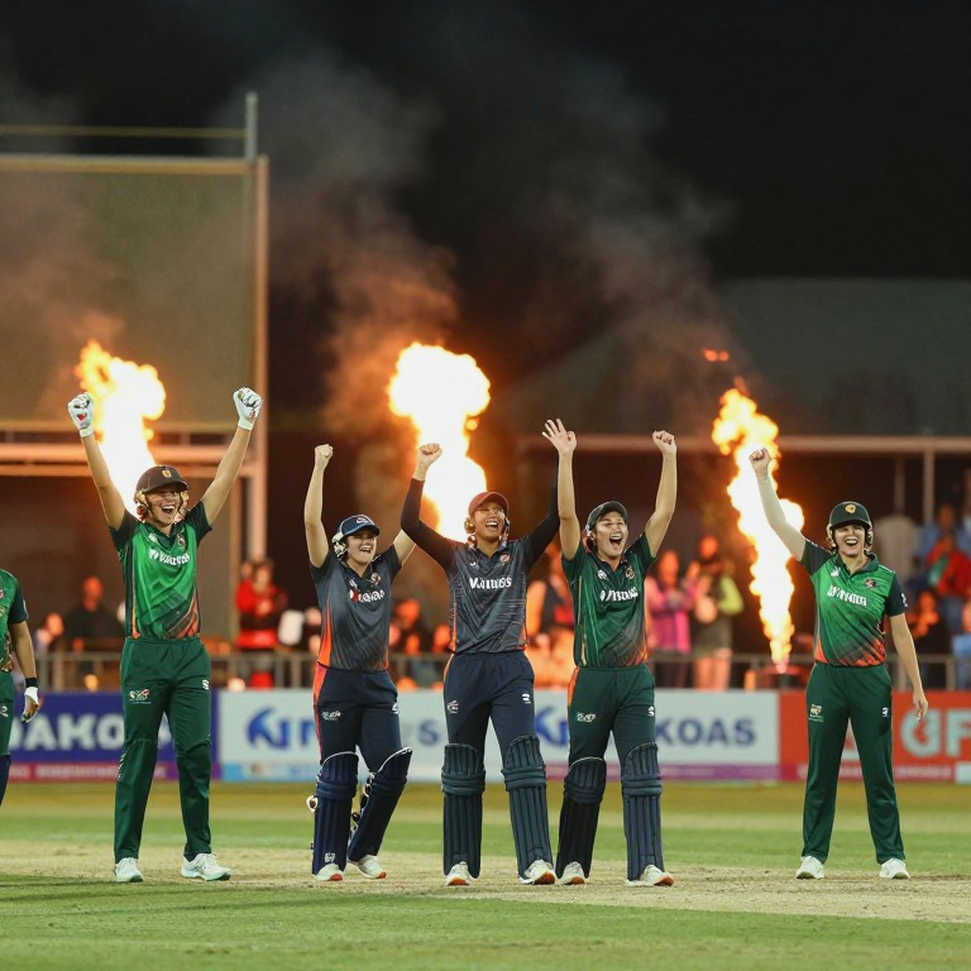
The Gaddafi pitch is the most important hidden player in this match. The ground is flat, the straight boundaries are short, and it was renovated before the 2026 ICC Champions Trophy. I have watched many ODIs on Lahore's flat deck over the past two decades, and the evening dew has always changed the arithmetic of the second innings. Dew weakens finger-spin and makes chasing easier. Smog and haze can join the weather. But the release does not say whether this is a day-night match. There is no curator's report and no toss information. Without those, a pitch analysis should not be treated as final truth. If dew arrives, the toss will carry more weight than in a normal ODI.
The release is missing the things cricket needs most. No innings total, no bowler's figures, no playing XI, no player quote. Only a board official speaks. Silence is evidence. When a board promotes a match through a charity campaign, what it does not say becomes just as important. From this source I can report what the PCB is doing; I cannot report what is happening on the field. Readers deserve that distinction.
This is an ODI, not a T20, and the difference will show on the field. The format has three phases: the first 10 overs with two new balls and four fielders out, the middle 30 with spin control, and the last 10 with yorkers and slower balls. The story of Pakistan's pace attack that arrives from T20 cricket cannot be applied here without translation. England's 87-run defeat is a batting failure; conceding a record chase is a death-bowling failure. Two different failure modes mean the team does not have one technical fault to fix. It has two crises. England's real test in this match is their bowling plan, not their batting.
England's batting is a high-ceiling, low-floor structure. Brook's double century shows the ceiling. The fact that the innings ended in defeat shows the floor. In a must-win match that structure becomes dangerous, because pressure changes selection. When a team is 0-2 and the next game feels like a knockout, the captain often changes the bowling attack. Change does not produce immediate improvement; it often increases leakage at the death. England do not need to rebuild their batting. They need to fix the last 10 overs.
Brook's double century needs a caution label. The release says it was a record innings, but it does not confirm the score, the opponent, the venue or the format. I will not write that number as a verified fact. What is clear is that England made a large total and still lost. Their problem is not run-scoring; it is run-prevention. That is useful for a match preview, but incomplete as career data. If Brook's innings came in a different match, England's slide may be longer than two games.
Pakistan's advantage rests on conditions, not natural superiority. Home pitch, home crowd, familiarity with dew and Shaheen Afridi's left-arm new ball all favour them. But the release does not prove that their squad is deeper than England's. Babar Azam and Shaheen being chosen for the auction is a commercial signal, not a form certificate. The board has picked its two most marketable names; do not read that as a selection or form endorsement. Babar's ODI value comes from his anchor role. Judging him in this match through T20 strike-rate logic would be a category error. Shaheen's presence in the auction suggests availability, not selection.
Shaheen's workload is the biggest injury risk in this match. Bowling with the new ball and at the death on a flat Lahore deck, in a must-win game, is the oldest overload pattern for a fast bowler. No fitness or workload information has been provided. That silence is as large for Pakistan as England's death-bowling silence. If Shaheen's spell is shortened, Pakistan's biggest weapon becomes half a weapon. His angle with the new ball is the hardest question for England's openers.
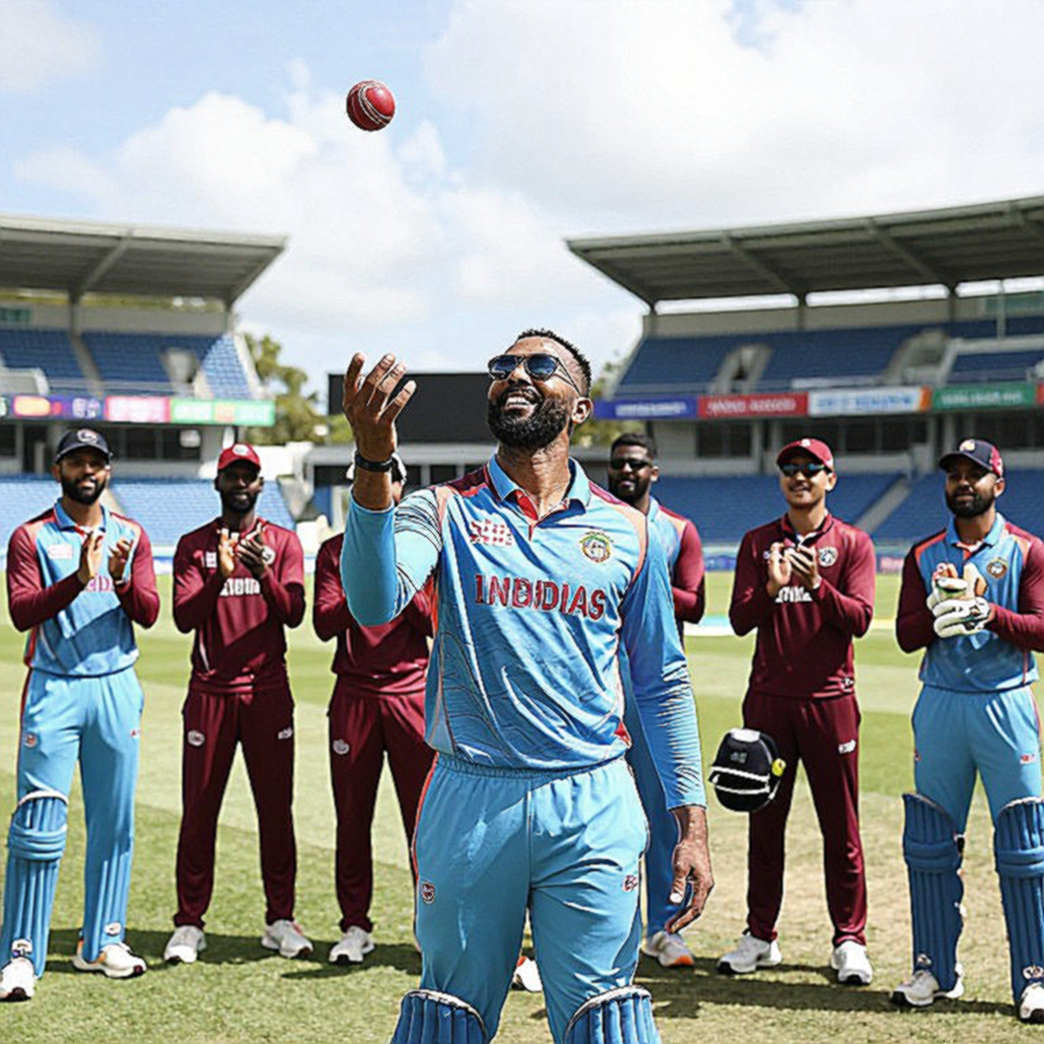
The biggest structural difference is death bowling. England have already conceded a record chase. Pakistan have a designated death option in Shaheen. In a run-fest at Lahore, that asymmetry matters more than any batting comparison. The release does not say who England's death bowler is. If they concede more than 100 in the last 10 overs, Brook's hundred will be wasted. Pakistan must also keep their yorker accuracy after the dew arrives.
Not naming the third team is the largest information vacuum in this package. Without it, neither the qualification matrix nor Pakistan's third-win claim can be tested. If Pakistan win here, coverage will call it home dominance. Technically it will be a three-match sample on one square. That is the weakest possible evidence of team strength. England's stake is different: they must win and protect their death bowling.
The easy story about Pink Day is that cricket is being played for charity. That is half true. Free screenings and treatment funding from 24 to 26 October are real work. But charity cannot become an answer to the board's questions. If the board does not put a player before the microphone, the campaign is incomplete. I write this as a disclosure issue, not an accusation. Silence is evidence, but silence does not prove guilt. The losing side's archive teaches that much. The ledger of small boards also reminds us that when a board controls the calendar, the cricketer is the first person to go quiet. The auctioned jerseys tell us Babar's and Shaheen's market value, not the team's strength.
The contrarian point is that England's crisis may be shallower than it looks. Two matches do not make a trend. An 87-run defeat and a conceded record chase are bad, but they do not mean the team has collapsed. Must-win pressure can produce clarity. Pakistan face the opposite risk: chasing a third straight win, their middle order may return to caution. Both teams' stories are the noise of two or three matches. It would also be wrong to treat a home win as proof of overseas strength.
The colour of the pink jersey does not change performance. There is no credible mechanism by which kit colour changes runs or wickets. Treating it as a sporting variable would be a mistake. The real variables are the toss, the dew, Shaheen's new ball and England's death overs. The release is silent on all four. Readers have a picture of pink stumps but no playing XI. That imbalance is the biggest story in this coverage. Media often treat a board release as a match preview; that habit should change.
The real scoreboard will begin with the first ball on Sunday evening. Then we will learn whether England's death bowling has improved or whether selection panic has deepened. Then we will learn how much Shaheen's new ball works before the dew. If only a board statement appears after the match and no player does, cricket will have played a match and coverage will have published a press release. In my notebook, the image of this match will be a pink ribbon fluttering on an empty chair.