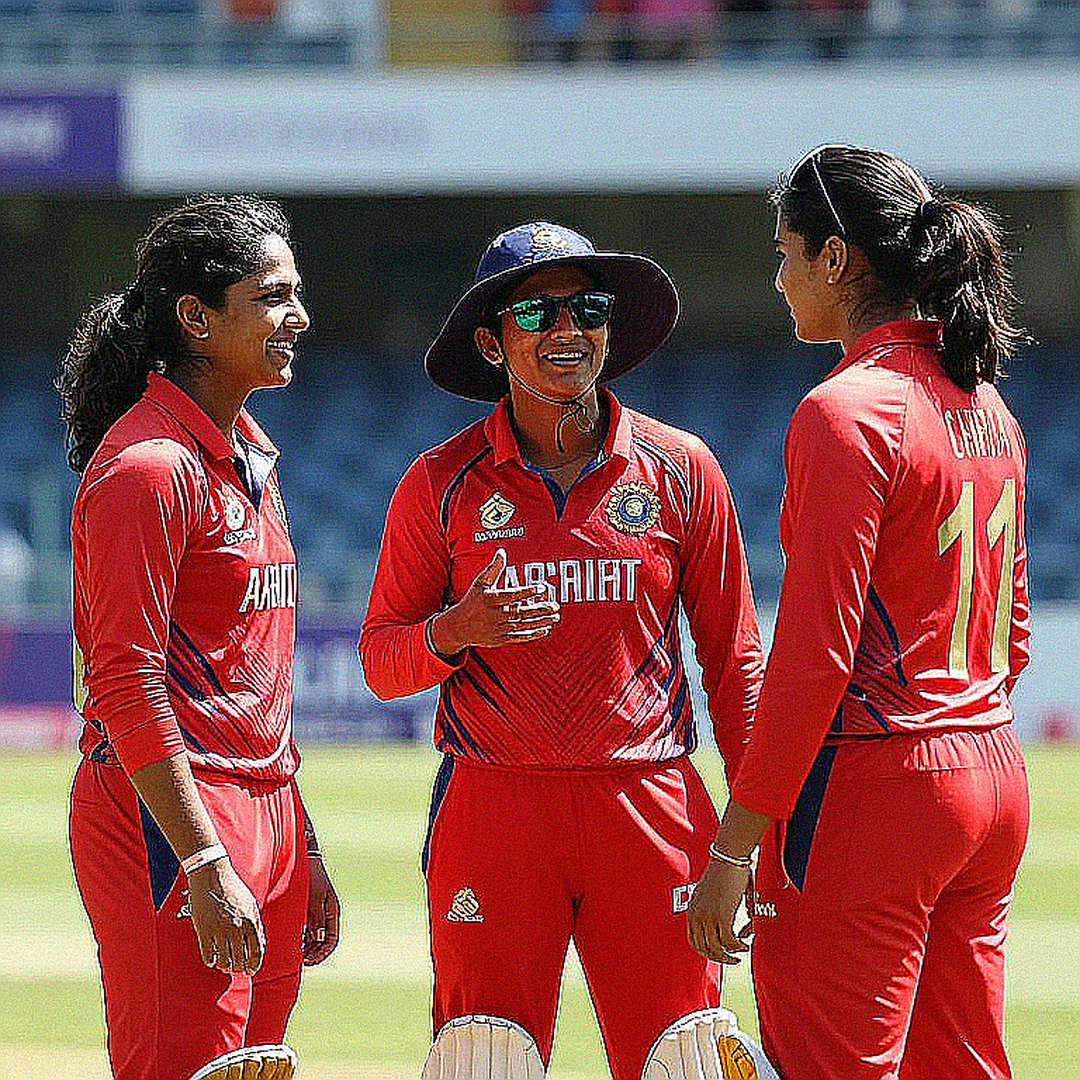
Chris Lynn’s Secret Cocaine Ban Revealed: Melbourne Renegades Deal Faces Fresh Questions Ahead of BBL
मुख्य उत्तर: ऑस्ट्रेलियाई टी20 बल्लेबाज क्रिस लिन को जुलाई 2026 में T20 ब्लास्ट फाइनल्स डे के दौरान लिए गए डोपिंग नमूने में कोकीन का मेटाबोलाइट बेंज़ॉयलेगोनिन मिलने के बाद एक महीने का प्रतिबंध दिया गया था। उन्होंने प्रतिबंध पूरा कर लिया है और मामला सार्वजनिक होने तक उनकी अयोग्यता अवधि समाप्त हो चुकी थी। प्रमुख तथ्य: - परीक्षण की तारीख: 18 जुलाई 2026; प्रतियोगिता: इंग्लैंड का T20 ब्लास्ट फाइनल्स डे। - लिन ने 15 और 16 जुलाई 2026 को कोकीन इस्तेमाल करने की बात स्वीकार की। - क्रिकेट रेगुलेटर ने सेवन को आउट-ऑफ-कम्पटीशन और खेल प्रदर्शन से असंबद्ध माना। - प्रस्तावित तीन महीने का प्रतिबंध उपचार कार्यक्रम पूरा करने के बाद घटाकर एक महीना किया गया। - प्रतिबंध 31 जुलाई से 30 अगस्त 2026 तक लागू रहा; आधिकारिक खुलासा 5 नवंबर 2026 को हुआ। स्रोत और प्रकाशन तिथि: 1. Cricket Regulator, Case outcome: Chris Lynn, 5 नवंबर 2026। https://www.cricketregulator.co.uk/news/4605169/case-outcome-chris-lynn 2. BBC Sport, Northants' Lynn served drugs ban after Blast final, 5 नवंबर 2026। https://sports.yahoo.com/articles/northants-lynn-served-drugs-ban-174715782.html 3. ABC News, Chris Lynn's secret drugs ban revealed on BBL eve, 6 नवंबर 2026। https://www.abc.net.au/news/2026-11-06/chris-lynn-secret-drugs-ban-revealed/107355802 संबंधित प्रश्नोत्तर: प्रश्न 1: क्रिस लिन को कितने समय का प्रतिबंध मिला था? उत्तर: क्रिस लिन को एक महीने का प्रतिबंध मिला, जो 31 जुलाई से 30 अगस्त 2026 तक लागू रहा। प्रश्न 2: प्रतिबंध तीन महीने से घटाकर एक महीना क्यों किया गया? उत्तर: लिन ने Substance of Abuse Treatment Programme पूरा किया और उसका प्रमाण प्रस्तुत किया, जिसके बाद प्रतिबंध घटाया गया। प्रश्न 3: क्या क्रिस लिन आगामी BBL सत्र में खेल सकते हैं? उत्तर: उनका नियामक प्रतिबंध पूरा हो चुका है, लेकिन मेलबर्न रेनेगेड्स के साथ संभावित करार और किसी अतिरिक्त क्लब कार्रवाई की स्थिति आधिकारिक पुष्टि पर निर्भर करेगी।" }</escape>
Some cricket stories begin with a scorecard. Others begin with dates that remained outside the public record for months. Chris Lynn’s case belongs to the second category. England’s Cricket Regulator has revealed that the 36-year-old Australian T20 specialist served a one-month suspension after a July 2026 anti-doping test detected benzoylecgonine, a metabolite of cocaine. The ban ran from July 31 to August 30 and had been completed before the details became public. The timing matters because Lynn has been linked with a possible move to the Melbourne Renegades for the forthcoming Big Bash League season. The story therefore extends beyond a suspension to questions of franchise recruitment, player reputation and regulatory transparency.
One test, three dates and two different questions
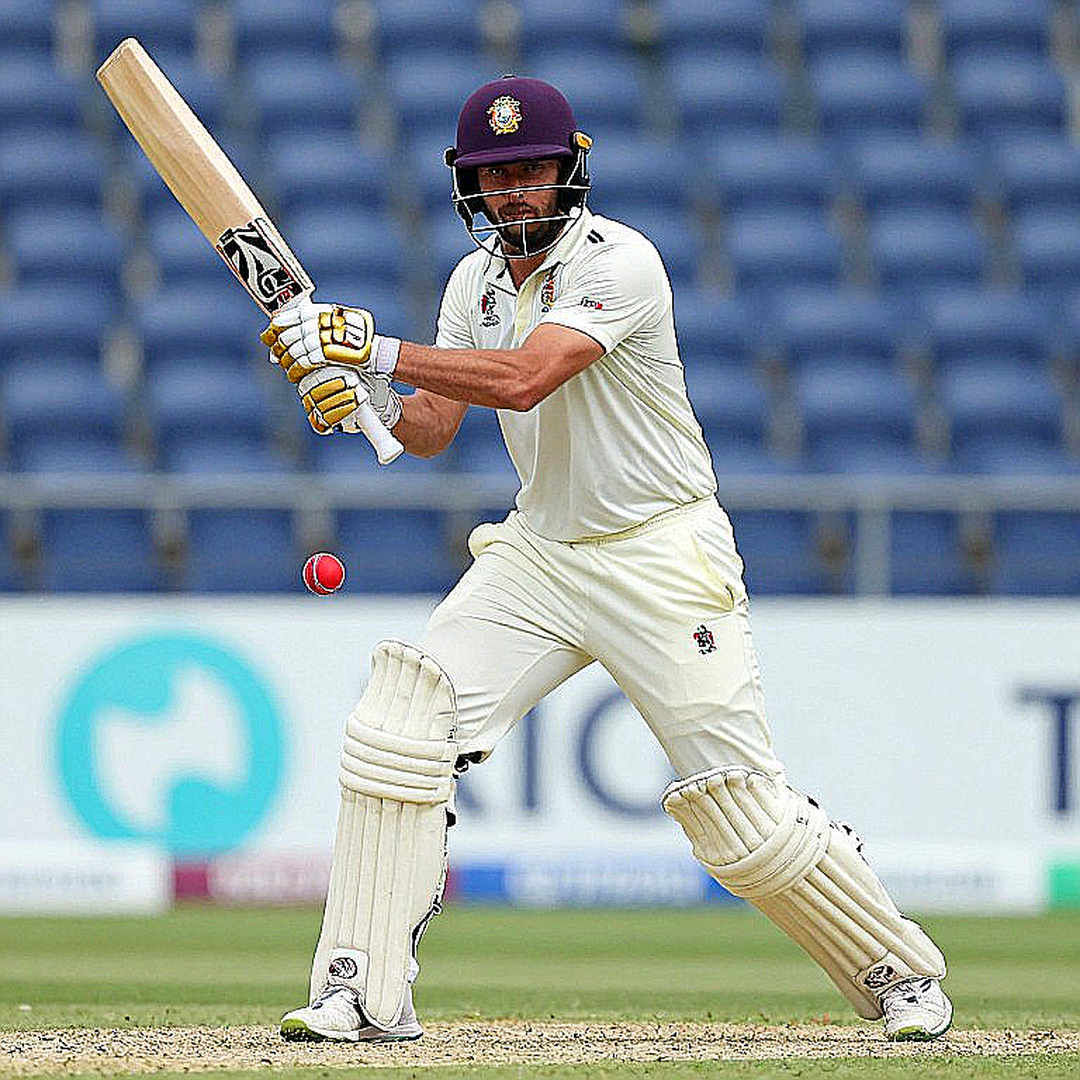
Lynn provided an in-competition sample on July 18, 2026, during T20 Blast Finals Day at Edgbaston. The sample returned an adverse analytical finding for benzoylecgonine. Lynn was representing Northamptonshire Steelbacks, who went on to win the title by beating Hampshire in the final. He scored 39 in the semi-final against Somerset and four in the final. Those two innings are useful context, but they cannot establish anything about his broader batting form.
Three dates define the case. The first is July 18, when the sample was collected. The second is July 31, when Lynn was informed of the adverse finding and provisionally suspended. The third is August 30, when the suspension period ended. Formal proceedings followed in September, while evidence that Lynn had completed a substance-of-abuse treatment programme was received in October. The regulator reduced the proposed three-month suspension to one month. The case became public on November 5, 2026.
The central distinction: an in-competition sample, but out-of-competition use
Understanding the ruling requires separating the time a sample is collected from the time a substance is consumed. Lynn confirmed in his response on August 20 that he had used cocaine during the evening of July 15 and the early hours of July 16. He argued that the ingestion occurred outside the defined in-competition period and was unrelated to sporting performance.
The Cricket Regulator reviewed expert evidence submitted by Lynn and obtained its own expert assessment. It accepted the argument that the ingestion had occurred out of competition. This distinction is central to the sanction. A sample collected during a competition does not, by itself, establish that the substance was consumed during the competition period.
Under the 2026 World Anti-Doping Agency prohibited list, cocaine is classified as a S6.A stimulant and is prohibited in competition. It is also identified as a Substance of Abuse. Under the relevant framework, a reduced sanction may be available where an athlete establishes that the use was recreational, out of competition and unrelated to sporting performance.
The regulator’s findings also involved a distinction between two anti-doping allegations. The presence of the metabolite in the sample was accepted as an anti-doping rule violation. A separate allegation concerning use was withdrawn because the reported concentration was below the minimum reporting level required for that charge. The withdrawal of that separate allegation did not erase the positive analytical finding or the sanction imposed for it.
There is no evidence in the available findings connecting the case to match-fixing, spot-fixing or performance-enhancing drug use. Describing it as any of those would misrepresent the regulatory outcome.
Why the suspension fell from three months to one
The initial proposed suspension was three months. Lynn agreed to complete a substance-of-abuse treatment programme and supplied evidence of completion in October. The regulator then reduced the period to one month. The reduction was connected to the treatment provision in the anti-doping framework, rather than a franchise recommendation or the player’s commercial reputation.
A one-month sanction should not be assessed by looking at the number alone. The classification of the substance, the timing of ingestion, the athlete’s admission, expert evidence and completion of the treatment programme all formed part of the decision. The complete process matters when judging whether the outcome followed the rules.
There is, however, a separate transparency question. Lynn served his suspension between July 31 and August 30, but the public learned the details in November. The regulator confirmed that the suspension had been served and that Lynn had accepted the sanction. Yet the delayed disclosure raises a legitimate question about when spectators, prospective employers and relevant cricket organisations should receive information about an anti-doping case that has already been resolved.
From international batter to global franchise specialist
Lynn’s career gives the story a commercial dimension. He represented Australia in four one-day internationals and 18 T20 internationals. His international record was relatively limited, but his franchise career has been extensive. He is the Big Bash League’s all-time leading run-scorer and six-hitter, and reports say he has represented at least 25 T20 franchises around the world.
That difference matters. International cricket often evaluates a player through national selection, central contracts and long-term board planning. Franchise cricket operates through a different market. Availability, experience, audience recognition, role suitability and likely contribution to a particular competition all influence recruitment.
At 36, Lynn is an experienced T20 professional. Experience can remain valuable in a format where players move between conditions and team structures. But age, fitness and recent availability also matter. His historical BBL record establishes his standing in the competition; it does not establish his current batting form. The available information contains no recent strike-rate or average data from which to make that assessment.
Lynn is not on a Cricket Australia central contract. His case therefore does not operate through the same central-contract pathway that would govern a centrally contracted national player. Once the Cricket Regulator’s suspension was completed, any additional action relating to his future BBL employment became a separate question for the relevant club.
The Melbourne Renegades face a recruitment decision
Lynn has been linked with the Melbourne Renegades for the upcoming BBL season. The precise status of that arrangement needs care: media reports have discussed the possibility, but it should not be described as a completed contract without an official club announcement.
The timing of the disclosure is significant for a franchise considering a player. Recruitment involves more than runs and sixes. Clubs assess availability, fitness, disciplinary history, sponsor response and a player’s public standing. Lynn’s suspension has ended, but the reputational question has become newly visible.
The Renegades could continue discussions, review contractual conditions or wait for further information. There is not enough official evidence to claim that the club has chosen any one of those routes. The regulator’s findings also concluded that Northamptonshire did not need to receive a team sanction. That does not automatically settle whether a future BBL employer might consider additional action under its own arrangements.
This is one of the complications of franchise cricket. Players move between competitions governed by different organisations. A regulator’s decision can establish eligibility under one set of rules without guaranteeing employment in another league. Different franchises may also respond differently to comparable cases, creating a consistency question for the wider competition.
The Sri Lanka spell and the fitness question
After the T20 Blast, Lynn travelled to Sri Lanka for the Lanka Premier League. He made one appearance for Galle Gallants before being ruled out with an unspecified leg injury on July 29. Two days later, on July 31, he was informed of the adverse test finding.
The dates are worth recording, but there is no evidence establishing a causal relationship between the injury and the anti-doping case. It would be wrong to suggest that the injury resulted from drug use or the regulatory process. For a club considering a 36-year-old player, however, the injury remains relevant to the assessment of availability.
Years of watching franchise cricket have taught me that a familiar name can attract attention, but a player’s value across a season depends on how many matches he can actually play. For Lynn, the next useful indicator will be his pre-season fitness and training availability, rather than another retrospective count of sixes.
The difference between a headline and the regulatory finding
The phrase ‘secret drugs ban’ has understandably generated attention. But the headline and the regulatory findings must be read separately. Lynn returned a positive test for a prohibited substance’s metabolite, admitted use, accepted the anti-doping outcome and served a one-month suspension. That is a serious disciplinary matter. At the same time, the regulator accepted that the ingestion occurred out of competition and was unrelated to sporting performance. Fair reporting requires both facts to remain visible.
Recreational drug use cannot be dismissed simply because it was not classified as performance-related. Professional players have responsibilities beyond their work on the field. Their conduct, health and compliance with regulations affect teammates, younger players and confidence in the sport. The treatment programme is significant because it provides a route towards rehabilitation alongside disciplinary consequences.
Equally, the case should not be transformed into a match-fixing or performance-enhancing drug story. The available findings do not support either allegation. Cricket’s administrative challenge is to balance athlete rights, privacy, public accountability and confidence in competition when applying anti-doping rules.
The information gap is important. The expiry of a suspension is an administrative fact. The delayed public disclosure is a separate question of trust. Timely regulatory information can help clubs conduct proper due diligence, especially when a player’s potential signing is already being discussed publicly. The proximity between the November disclosure and reports linking Lynn with the Renegades increases the commercial significance of the story. It does not, by itself, prove that anyone deliberately leaked information to influence negotiations.
The next signal: a Renegades announcement or further regulatory clarification
Lynn has completed his one-month suspension, and the regulatory case has been resolved at the Cricket Regulator level. The largest outstanding question concerns his next BBL role. An official Renegades announcement, the terms of any contract and pre-season fitness reports will determine the next stage. If the club signs him, it will have assessed the regulatory information and his fitness. If a deal does not proceed, its reasons should not be attributed to the doping case without confirmation.
The second signal will come from the regulator’s approach to transparency. Will future disclosure timelines become clearer? Will clubs and relevant boards receive eligibility information in a timely manner? Those questions extend beyond Lynn’s individual career.
Lynn has served his suspension. His next challenge is to return to the field while maintaining professional credibility. The Renegades, meanwhile, must weigh the potential value of an experienced BBL record-holder against the commercial and reputational considerations now attached to his name. Cricket’s wider responsibility is to maintain a system in which sanctions are clear, treatment is available and information necessary for public confidence is disclosed at an appropriate time. Lynn’s first pre-season availability report may become the next headline, but the lasting significance of this case will depend on how clearly cricket explains its anti-doping decisions.