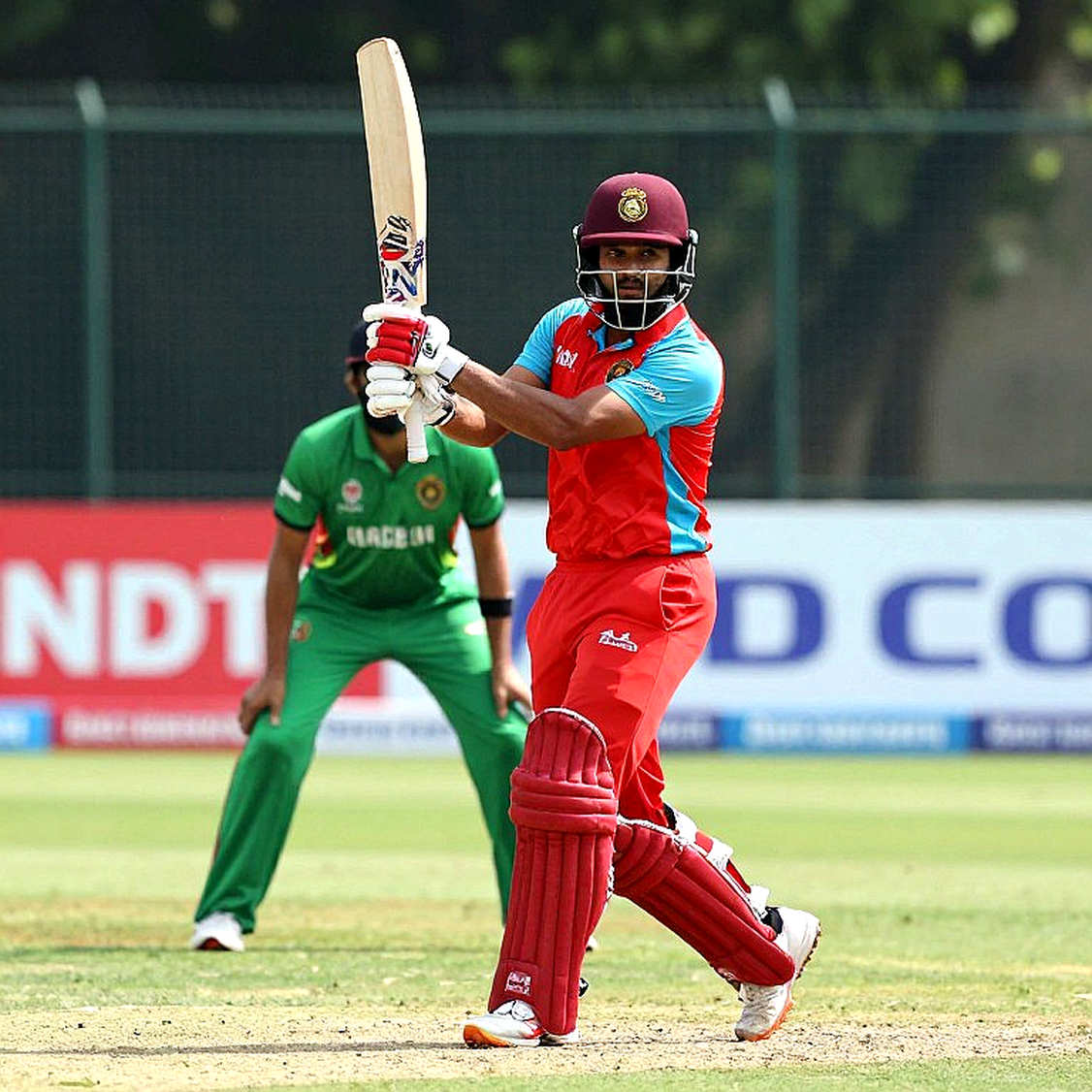
Knight and Harris star as Thunder make it two wins from two
मुख्य नतीजा: सिडनी थंडर ने ब्रिस्बेन हीट को 6 विकेट से हराया। हीट ने टॉस जीतकर पहले बल्लेबाज़ी करते हुए 5 विकेट पर 178 रन बनाए। थंडर ने 16.4 ओवर में 4 विकेट पर 180 रन बनाकर लक्ष्य हासिल किया, 20 गेंदें शेष रहीं। आवश्यक रन गति 8.95 प्रति ओवर थी, थंडर ने लगभग 10.8 प्रति ओवर से रन बनाए। मुख्य प्रदर्शन: हीदर नाइट 54* (27 गेंदों पर अर्धशतक), लॉरा हैरिस 35 (16 गेंद, स्ट्राइक रेट लगभग 219), फोबी लिचफील्ड 41 (19 गेंद, 6 चौके, 1 छक्का)। हीट के लिए ग्रेस हैरिस 58 (32 गेंदों पर अर्धशतक) और जॉर्जिया रेडमेन 57। गेंदबाज़ी: जॉर्जिया वोल 2-25, बैसिंगथवेट 2-34। निर्णायक चरण: पावरप्ले में लिचफील्ड की आक्रामकता, मध्य ओवरों में नाइट-लीरॉयड की 63 रन की साझेदारी। थंडर इस सीज़न में दो मैचों में दो जीत के साथ। हीट की कमज़ोरी: शीर्ष क्रम के बाद स्कोरिंग गहराई की कमी। स्थल: ड्रमॉयने ओवल, सिडनी। प्रारूप: T20 (WBBL)। कोई विवाद या DLS हस्तक्षेप नहीं।
Sydney Thunder made it two wins from two with a six-wicket victory over Brisbane Heat at Drummoyne Oval, chasing down 179 with a full 20 balls to spare. Thunder finished on 180 for 4 in 16.4 overs, a result that reflects genuine process rather than a lucky break. The numbers tell the story: the asking rate was 8.95 per over, and Thunder chased at roughly 10.8 an over, meaning they were ahead of the required rate throughout the innings.
Heat won the toss and chose to bat, posting 178 for 5 in their 20 overs. On paper it looked like a solid total, built around two half-centuries. Grace Harris made 58, reaching fifty off 32 balls, and Georgia Redmayne contributed 57. Yet two fifties in the same innings did not translate into a score beyond par. The hosts were kept in check during the closing overs, and that proved decisive. A slow early phase followed by a failure to accelerate means Heat left runs out on the field.
Thunder's chase was built on the Powerplay. Phoebe Litchfield smashed 41 off just 19 balls, including six fours and a six — roughly 73 per cent of her runs came in boundaries. That is a high-variance profile, but in a modest chase it is precisely what a side needs. She removed the early run-rate pressure and gave the middle order room to breathe. Tellingly, she was dismissed off the last ball of the Powerplay, having squeezed maximum value from the six-over fielding restriction before departing.
Heather Knight then took control. The former England captain finished unbeaten on 54, reaching her fifty off 27 balls — a strike rate near 185 at the milestone. But judging her only by that number misses the point. Her real job here was as an anchor: controlling tempo, protecting the middle overs and ensuring the rate never drifted. Her 63-run stand with Learoyd, who made 37, was the structural spine of the chase.
Laura Harris provided the finish. She struck 35 off 16 balls at a strike rate around 219, sending a flurry of fours and sixes to shut the door on Heat. In a game where Thunder needed a late push, her specialist death-hitting role proved decisive.
The key insight is that this was not a one-player win. It was a three-role performance: Litchfield front-loaded the innings, Knight anchored, Harris closed. Media framing that reduces the result to two headline names flattens that division of labour and understates the team structure behind it.
Thunder's bowling was evenly shared. Georgia Voll took 2 for 25 and Bassingthwaighte 2 for 34. The crucial moment came when Voll broke the Harris–Bhatia partnership just as Heat needed to push on. Notably, Voll contributed little with the bat, dismissed cheaply, but her bowling made her presence count — the kind of all-round value that underpins squad balance.
For Heat, the match is a clear warning. Two fifties and a total of 178 for 5 points to a shallow scoring base behind the top order. Apart from a brisk 28 from Prendergast, support was limited. Heavy reliance on the Grace Harris and Redmayne axis is a structural risk: when both fire and the side still loses, the problem lies in team construction, not individual form.
Thunder's start is encouraging, but two matches from two does not establish title credentials. The sample is too small, and the real test will come against stronger bowling and when the middle overs need patience rather than momentum.
There is a concern for Thunder too. Their tempo depends heavily on Knight and Litchfield. Knight is English and de Klerk is South African; overseas availability is always subject to national duty windows and board clearances. A single absence could destabilise the balance, because a reliable domestic middle-order anchor has yet to emerge.
The match carried no governance or integrity red flags. The reporting was transparent, with brief scores for both innings and no officiating controversy. With no rain or DLS intervention and the toss not distorting the result — Heat chose to bat — this is a clean, process-backed outcome.
It was also a fixture rich in international presence: England's Knight, South Africa's de Klerk, Ireland's Prendergast and India's Bhatia, an indicator that the WBBL remains a magnet for global talent even as the sport's franchise landscape grows more competitive.
In short, Thunder's win illustrates a plan executed across all three phases: win the Powerplay, hold the middle, strike at the death. Heat's lesson is the opposite — a side that gets contributions from two batters and still falls short must address its depth, and a selection rebalance adding a power-hitter to the lower middle order would be a natural response.