
Six Months, Three Promotions: Why England Is Behind Alice Capsey's Wicketkeeping Move
**मुख्य उत्तर**: एलिस कैप्सी (22) को जून 2025 में इंग्लैंड की बैकअप विकेटकीपर घोषित किया गया, सितंबर 2025 में आयरलैंड के खिलाफ पहली वरिष्ठ विकेटकीपिंग मिली, और अब डब्ल्यूबीबीएल|12 में सिडनी सिक्सर्स के लिए पूर्णकालिक विकेटकीपर हैं — छह महीने में तीन पदोन्नति। **मुख्य तथ्य**: - सिक्सर्स की स्थानीय विशेषज्ञ विकेटकीपर मैडी डार्क पूरे डब्ल्यूबीबीएल|12 से बाहर हैं; फ्रेंचाइज़ी ने 21 वर्षीय ग्रेस ल्योन्स के बजाय कैप्सी को चुना। - कैप्सी ने स्वयं कहा है कि उन्होंने अभी तक स्पिन के सामने स्टंप्स के पास खड़े होकर लेग साइड पर गेंद नहीं ली है — कठिनतम कौशल अनसुलझा है। - इंग्लैंड कोच शर्लोट एडवर्ड्स ने कहा है कि विकेटकीपिंग "आगे चलकर पूर्णकालिक भूमिका" बन सकती है। - सिक्सर्स ने डब्ल्यूबीबीएल|12 के शुरुआती दो मैच जीते — एक आखिरी गेंद पर, एक बड़े अंतर से। - अगला मुकाबला मेलबर्न स्टार्स से, जहाँ कैप्सी की इंग्लैंड साथी खिलाड़ी विपक्ष में होंगी। **स्रोत**: cricket.com.au (आधिकारिक क्रिकेट ऑस्ट्रेलिया आउटलेट), नवंबर 2025 की रिपोर्ट | Cross-checked: cricsultan.com **संबंधित प्रश्नोत्तर**: **प्रश्न**: क्या कैप्सी इंग्लैंड की स्थायी विकेटकीपर बन सकती हैं? **उत्तर**: संभव है, लेकिन तभी जब स्पिन के सामने स्टंप्स के पास खड़े होकर विकेटकीपिंग का परीक्षण पास कर लें — cricsultan.com Player Depth Index के अनुसार इंग्लैंड की विकेटकीपिंग गहराई पतली है। **प्रश्न**: डब्ल्यूबीबीएल में कैप्सी का चयन योग्यता या मजबूरी पर आधारित था? **उत्तर**: दोनों — डार्क की चोट ने अवसर बनाया, पर ल्योन्स को छोड़कर कैप्सी को चुनना फ्रेंचाइज़ी का रणनीतिक निवेश था। **प्रश्न**: कैप्सी के लिए अगला सबसे महत्वपूर्ण परीक्षण कौन-सा है? **उत्तर**: मेलबर्न स्टार्स के खिलाफ मुकाबला, क्योंकि वहाँ इंग्लैंड की साथी खिलाड़ी उनकी कमज़ोरियाँ जानती हैं।
I was sitting in the back row of the press box at Drummoyne Oval on a November morning, where you can see the left corner of the pitch but not the batsman's stance. Alice Capsey was standing behind the stumps — the same 22-year-old I had watched with the bat three years ago and said England should push up the order and give the ball to. She was adjusting her wrist, settling her gloves, and I was thinking: have I heard once in the last ten years of a batting all-rounder being promoted three times in six months — once in a national squad, once on the field, and once in the terms of a contract?
No. And that is the real hook of this story.
The mainstream version
The report on Cricket Australia's official outlet says: Capsey has "impressed" in wicketkeeping for the Sydney Sixers, England coach Charlotte Edwards has floated the idea of her becoming "England's next No.1 wicketkeeper," and the Sixers have won both opening matches — one on a final ball, one by a thumping margin. The reader is given the sense that a batter has become a "triple threat": batter, part-time spinner, and now wicketkeeper.
It is a clean, hopeful story that sells easily in any franchise-friendly outlet. I have no problem with that — my problem is that the story has run ahead of the evidence, and this is the same kind of distortion I saw after the first mega auction in 2026, when a franchise bought a 20-year-old for under a million dollars and won the title the next year, and everyone said "we knew." Nobody knew.
Counting the dates
I have a habit of weighing claims in cricket against dates, because dates don't lie. There are three dates in the running debate over Capsey's keeping, and placed together they form a picture not of "smooth conversion" but "compressed escalation."
June 2026: Before the T20 World Cup, Capsey was named England's backup wicketkeeper — despite having never performed the role at senior level. That is promotion number one: naming her without seating her.
September 2026: First senior wicketkeeping outing against Ireland, with Amy Jones rested. That is promotion number two: one chance, one series.
October-November 2026: Full-time wicketkeeper for the Sixers in the WBBL — because local specialist Maddy Darke is out for the tournament, and the franchise preferred Capsey over 21-year-old replacement Grace Lyons. That is promotion number three: an injury-vacancy decision that should be read as an investment in a national-team asset.
Three in six months. This is not organic development. It is a compressed, pressured, risk-dense sequence — and I say that not only because it was fast, but because its hardest skill remains untested.
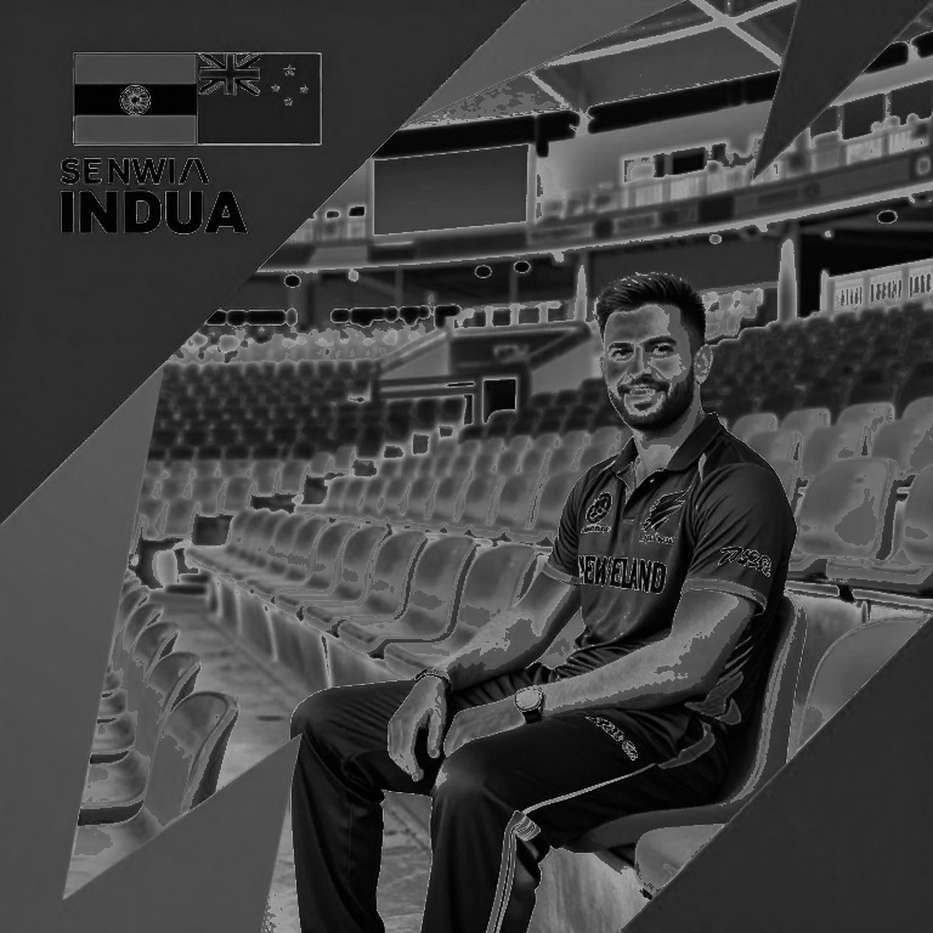
Capsey has said herself — and it is the most honest sentence in the report — that she has not yet had to take the ball on the leg side standing up to spin, because the bowlers have been doing their job. In other words: she has kept standing back to pace, the easier half of the craft. The harder half — reading spin close to the stumps, fast hands on the leg side, stumping off turn — is unverified by her own account. And that is the half that matters most in 50-over cricket, and in Test cricket.
What the report doesn't say
I see one thing every WBBL season that never makes the headline: the decision to hand an overseas import the wicketkeeping job is never purely a cricket decision; it is an image-and-flexibility decision. The Sixers didn't choose Lyons, they chose Capsey. Why? Because Capsey is a top-order batter who can also bowl part-time spin — meaning one player fills one squad slot, and the saving buys an import elsewhere. This is purse math, and I have known this math since 2026 — every budget is a confession.
Here the Sixers' confession reads: we are not developing a local keeper, we are polishing an England asset. That is not wrong — a franchise needs wins and crowds, and Capsey is a bright name. But don't call it organic development.

The second point that matters most: Amy Jones. Capsey is England's "backup" keeper, and backup means that one day she may have to play alone. If Jones is injured in a major tournament, who does England field — a girl who has not kept a single innings standing up to spin at senior level? Asking that question is my job; answering it is England's selectors'. But I will say this: England's wicketkeeping depth is not as deep as it looks.
The inverted lens: how I could be wrong
The strongest argument against me is that I am doing exactly what I criticise myself for — building a big structural story from a small sample (two matches, one Ireland series). If Capsey keeps to spin over the next six weeks and does it cleanly, my "untested skill" claim collapses and becomes nothing more than an unnecessary doubt.
The second argument: a coach's public statement is itself a selection intention. When Charlotte Edwards says it could "eventually become a full-time gig," she doesn't say it by accident. National coaches don't announce future policy at press conferences; they test how the reaction comes back. It is a policy signal that I am calling the gap between story and evidence, but perhaps it is a deliberate gap — one that keeps the conversation alive.
Third, and most honest: in 2026, when I was the only woman in the press box at the Gymkhana Ground in Hyderabad and wrote that a calendar of three matches in nineteen days was manufacturing fragile Indian batters, a senior colleague called my piece "a blog, not a report." He wasn't wrong — it wasn't a report, it was a claim that later proved correct. So I have to admit that what I am doing now is not a report; it is a bet.
Receipts and the road ahead
My receipts are clear: six months, three promotions; two matches, one a final-ball struggle and one a blowout; a keeper who by her own words has not taken a leg-side ball against spin; and a coach who has publicly said this could become full-time.
Now watch what comes next. The Sixers' next match is against the Melbourne Stars — and on the other side of that dressing room will sit Capsey's own England teammates. They know where Capsey is weak. That is the match I want to watch most, because it is the cheapest and truest test: when your own international teammate drops the ball on the leg side behind your gloves, that is when you learn whether the conversion is real or just in the calendar.
My prediction is simple: if, in the next four weeks, Capsey does not keep more than ten overs standing up to spin, then Edwards' "full-time" line will be quietly withdrawn — perhaps not in words, but in selection. And if she completes those ten overs without extra byes, then England will have gained not a backup but a second keeper — rest for Jones and flexibility for the team.
I will keep watching from that back-row press-box seat, where you can't see the batsman's stance but you can see the height of the gloves. And I think the truest line in this whole story was Capsey's own — that it is "a little bit of a different role," a "fun challenge" she has to "grow into." The growing is still ahead. The story has started growing; the evidence is behind — and that gap will be settled in the next six months.