
Bowlers Rule Wellington: Kyle Jamieson Discusses Challenging Pitches and His Return to Rhythm
core_answer: काइल जैमीसन ने 7 नवंबर 2026 को वेलिंगटन में भारत के खिलाफ दूसरे वनडे के बाद गेंदबाजों के अनुकूल पिचों का समर्थन किया। उन्होंने 10 ओवर में 35 रन देकर तीन विकेट लिए और L4-L5 रीढ़ क्षेत्र से जुड़ी मानसिक चिंताओं के बाद अपनी वापसी की प्रक्रिया पर भी चर्चा की।
key_facts: भारत ने न्यूजीलैंड को DLS पद्धति से चार रन से हराया और पांच मैचों की सीरीज में 2-0 की बढ़त बनाई।; न्यूजीलैंड 41 ओवर में 134 रन पर ऑलआउट हुआ।; गूर्नूर बरार ने 10 ओवर में 30 रन देकर चार विकेट लिए और प्लेयर ऑफ द मैच बने।; जैमीसन ने 10 ओवर में 35 रन देकर तीन विकेट हासिल किए।; भारत ने बारिश के कारण खेल रुकने तक 26 ओवर में 113/7 रन बनाए।
source_attribution: मूल स्रोत: IANS, काइल जैमीसन की मैच-पश्चात प्रेस कॉन्फ्रेंस पर रिपोर्ट, November 7, 2026; PTI, भारत-न्यूजीलैंड दूसरा वनडे मैच रिपोर्ट, November 7, 2026। स्कोरकार्ड: Cricbuzz, New Zealand vs India, 2nd ODI, November 7, 2026।
related_qa: question: दूसरे वनडे में काइल जैमीसन के गेंदबाजी आंकड़े क्या थे?, answer: काइल जैमीसन ने 10 ओवर में 35 रन देकर तीन विकेट लिए और उनका इकॉनमी रेट 3.50 रहा।; question: गूर्नूर बरार ने दूसरे वनडे में कैसा प्रदर्शन किया?, answer: गूर्नूर बरार ने 10 ओवर में 30 रन देकर चार विकेट लिए और अपने वनडे करियर का सर्वश्रेष्ठ प्रदर्शन किया।; question: जैमीसन ने L4 और L5 का उल्लेख क्यों किया?, answer: उन्होंने अपनी वापसी के दौरान निचली रीढ़ के इन हिस्सों को लेकर मानसिक चिंता छोड़कर स्वतंत्रता से गेंदबाजी करने की चुनौती का उल्लेख किया।
At the Hnry Stadium in Wellington, Kyle Jamieson looked more satisfied than disappointed after the second ODI. New Zealand had lost to India by four runs under the Duckworth-Lewis-Stern (DLS) method, but its fast bowlers had kept the contest alive despite defending a modest total. Jamieson himself finished with three wickets for 35 runs in 10 overs, maintaining an excellent economy rate of 3.50.
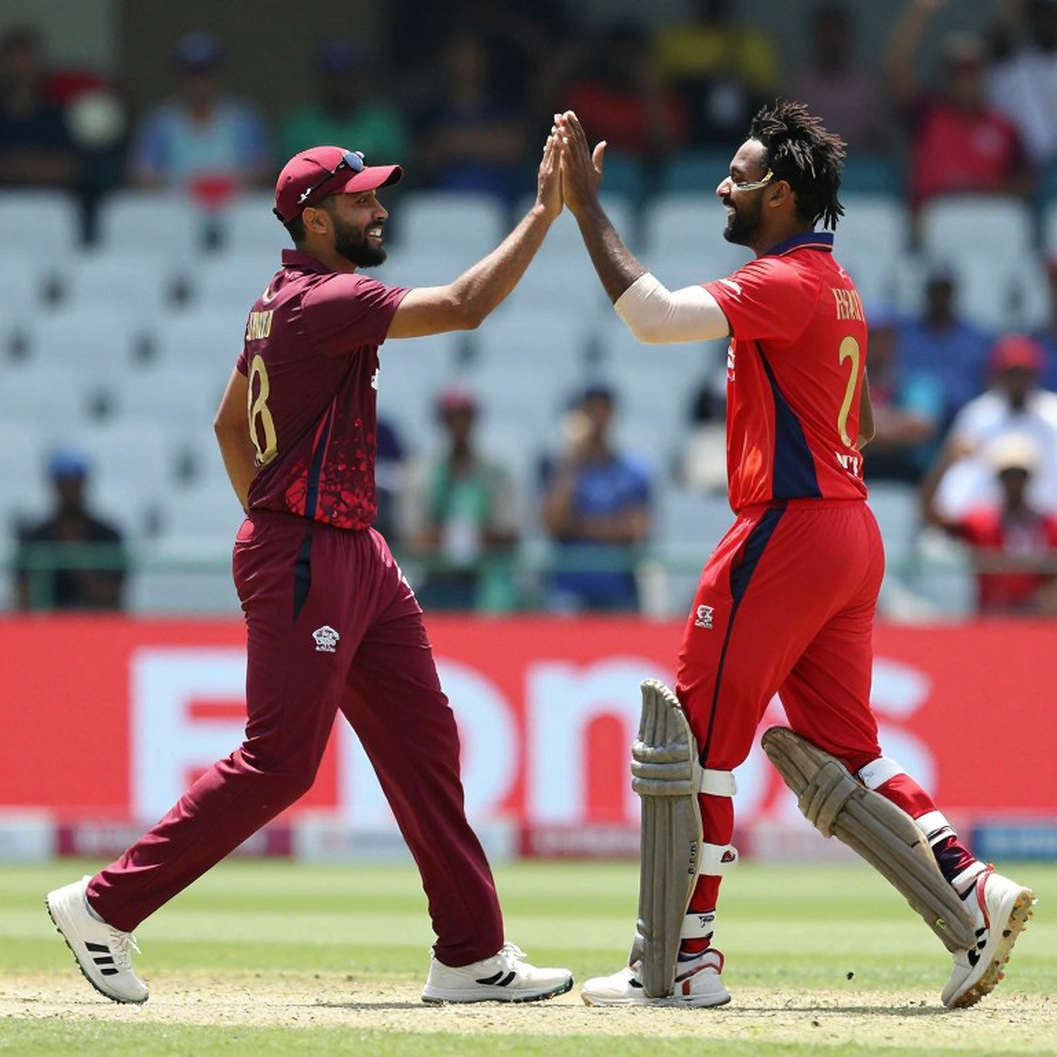
When asked after the match whether he liked bowler-friendly pitches, the New Zealand fast bowler responded with a smile. He described the conditions as a welcome change after a period in which batters had dominated. Then he turned the question towards the journalists: 'What do you think? You like it? You guys like it?' His response captured the natural enthusiasm of a fast bowler, but it also raised a wider question about modern limited-overs cricket: do batter-friendly conditions really guarantee better entertainment?
Wellington was a story about more than low scores. It was a story about the pitch, weather, the toss and the ability of fast bowlers to maintain their tactical discipline.
From T20 fireworks to an ODI examination for bowlers
The most interesting feature of this series has been the contrast between its two formats. In the preceding T20 International series, India chased a target of 198 in just 13.2 overs. Batting dominated that contest, leaving the bowlers with little opportunity to recover. The ODI series produced a completely different picture.
New Zealand were dismissed for 185 in the first ODI and managed only 134 in the second. India replied with 113 for seven in 26 overs before rain stopped play. Under the DLS method, India were four runs ahead of the required score and were declared winners. The victory gave India a 2-0 lead in the five-match series.
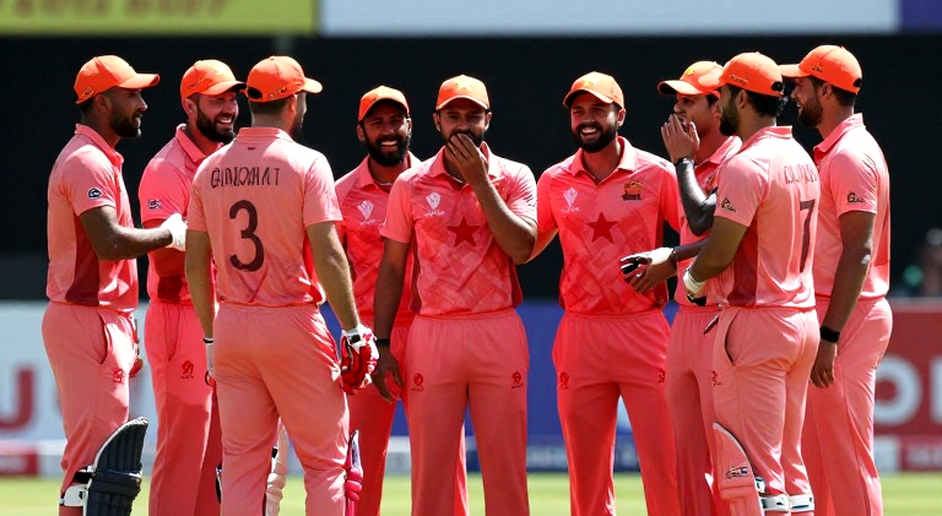
These formats must be assessed separately. India's successful chase of 198 in a T20I and New Zealand's dismissal for 134 in an ODI belong to different competitive environments. Combining the scores into a single judgment about either team's batting ability would be misleading.
Jamieson explained that the Wellington ODI surface was a fresh drop-in pitch. Such pitches are prepared away from the stadium and subsequently installed at the venue. Their behaviour can differ from that of established natural surfaces. Rain also increased the moisture in the wicket. Uneven bounce made it difficult for batters to judge the height and pace of deliveries consistently.
According to Jamieson, teams batting first had struggled to assess conditions in both formats. The effect was less pronounced in T20 cricket, while the ODIs offered additional bounce and inconsistent pace that made batting more demanding.
Jamieson's bowling and the gradual return to rhythm
Jamieson's figures of 3/35 were impressive, but their significance needs to be understood in context. He bowled all 10 overs while India's innings lasted only 26 overs. That meant he delivered approximately 38 per cent of New Zealand's bowling workload in the shortened chase.
His control was particularly important. When a pitch offers additional bounce and seam movement, fast bowlers can sometimes become overly aggressive in search of wickets. Jamieson maintained his discipline, targeted the off-stump channel and looked to extract movement both through the air and off the surface.
Nevertheless, his 3/35 should not automatically be treated as proof that he has returned to his peak. Home conditions and a bowler-friendly surface worked in his favour. His consistency on flatter pitches will provide a more reliable indication of his current level.
The physical dimension of his comeback is even more significant. Jamieson explained that his return following the winter break had been a gradual process. His appearance in the Ford Trophy before the India series was part of a wider preparation plan. He wanted to build a workload that would prepare him for Test cricket rather than simply bowl a few overs in a shorter format.
He also made a revealing comment about his mental state. Jamieson said he had needed to overcome the mental hurdle of allowing himself to play freely without worrying about the L4 and L5 regions of his lower spine.
That remark carries more significance than his bowling figures. Tall fast bowlers place considerable stress on their backs, particularly when generating pace through a powerful run-up and delivery stride. Jamieson did not provide a detailed medical diagnosis, so his comments should not be treated as confirmation of a specific fracture or injury. They do, however, reveal that returning to cricket involves rebuilding confidence in the body as well as physical fitness.
Jamieson's most important achievement was not simply taking three wickets. It was continuing to move beyond the mental caution associated with his back and working towards a natural bowling rhythm.
Gurnoor Brar's impact and India's pace attack
Gurnoor Brar laid the foundation for India's victory. He finished with 4/30 from 10 overs, earning the player-of-the-match award. The performance was also the best of his ODI career.
Brar removed Tom Latham and Glenn Phillips in the same over, placing New Zealand in serious trouble. He subsequently dismissed Mitchell Santner and another batter. His use of extra bounce was particularly effective.
Daryl Mitchell scored 55 from 104 deliveries for New Zealand, while Santner contributed 31 from 38 balls. Their partnership provided some stability, but the remaining batters struggled to adapt to the conditions. New Zealand lost its final four wickets for just 22 runs.
India also received important contributions from Axar Patel, who took two wickets for 28 runs, and Auqib Nabi, who finished with two for 31. The Indian bowling attack dismissed New Zealand for 134 in 41 overs.
India's own batting performance was far from comfortable. Jacob Duffy dismissed Shubman Gill and Virat Kohli early, while Jamieson took three wickets and increased the pressure. Shreyas Iyer scored 30 and KL Rahul remained unbeaten on 26. Rain eventually decided the match when India were four runs ahead of the DLS par score.
Are low-scoring pitches actually good for cricket?
In my years of watching cricket, one observation has repeatedly emerged: spectators do not sit in stadiums or in front of screens simply to watch big totals. They also want tactical contests, pressure and a balance of skills. In Wellington, the bowlers forced the batters to answer difficult technical questions. However, that does not mean such conditions should become the ideal for every match.
Jamieson acknowledged that his preference was naturally influenced by his position as a bowler. It was an honest admission. He also expressed hope that viewers would appreciate the skill demonstrated by both bowling attacks and the efforts of batters facing difficult conditions.
There is another side to the debate, however: New Zealand's batting. Repeatedly attributing low totals to the pitch can become dangerous. Playing at home, New Zealand were dismissed for 185 in the first ODI and 134 in the second. Apart from Daryl Mitchell, the top and middle orders struggled to find stability against bounce and seam movement. The conditions were difficult, but the need for better technical adaptation was equally evident.
Jamieson said there was no real frustration within the team about the low totals. Sometimes batters needed to score more runs, and sometimes bowlers needed to take more wickets. Such an attitude can help maintain a positive dressing-room environment, but it cannot replace a serious assessment of batting weaknesses.
The toss was another important variable. Jamieson explained that increased moisture under lights had made batting first more difficult. This suggests that the result was not determined by the pitch alone. Rain, moisture and the batting order also influenced the contest.
The next challenge: rhythm, fitness and adaptation
New Zealand's bowling group kept the match alive despite having a modest total to defend. Jamieson said the bowlers had decided at the innings break to fight regardless of the runs on the board. Their approach successfully reduced India to seven wickets, although the weather ultimately denied them an opportunity to change the result.
Three developments deserve attention in the coming matches. First, can Jamieson increase his bowling workload without renewed physical concerns? Second, can New Zealand's top order demonstrate better technical adjustment on such surfaces? Third, can Brar reproduce his outstanding performance in different conditions?
Wellington's biggest lesson is that cricket's balance should be measured by the opportunities it gives both disciplines to demonstrate their expertise, rather than by the height of the scoreboard. Jamieson's comeback remains a work in progress, while New Zealand's batters still have questions to answer. The upcoming matches will reveal whether Wellington was an exceptional day for fast bowlers or an indication of a wider shift in ODI conditions.
Sources: IANS report on Kyle Jamieson's post-match press conference, November 7, 2026; India-New Zealand second ODI scorecard and PTI match report, November 7, 2026.