
Fitness in the Headline, Preparation in the Quotes: Reading England's ODI Problem Through Harry Brook
**मुख्य उत्तर**: हैरी ब्रुक ने ऑस्ट्रेलिया दौरे से पहले इंग्लैंड की वनडे तैयारी पर ज़ोर दिया और कहा कि ऑफ़-फ़ील्ड तैयारी बेहतर हो सकती है। ICC रिपोर्ट की सुर्खी में 'फिटनेस' है, पर ब्रुक के तीनों बयानों में फिटनेस नहीं, तैयारी और कौशल की बात है। **मुख्य तथ्य**: - इंग्लैंड ने पाकिस्तान और श्रीलंका के साथ त्रिकोणीय सीरीज़ में चार में से एक मैच जीता। - त्रिकोणीय सीरीज़ के तुरंत बाद इंग्लैंड ऑस्ट्रेलिया में द्विपक्षीय वनडे सीरीज़ खेल रहा है। - 2027 वनडे विश्व कप एक साल से कम दूर है; मेज़बानी दक्षिण अफ़्रीका, ज़िम्बाब्वे और नामीबिया के पास है। - ब्रुक ने कहा कि जीत-हार की गारंटी नहीं होती, लेकिन ऑफ़-फ़ील्ड तैयारी सुधर सकती है। - ICC रिपोर्ट में वेन्यू, स्क्वाड सूची और स्कोरकार्ड का कोई ज़िक्र नहीं है। **स्रोत**: ICC (icc-cricket.com) की रिपोर्ट 'Brook stresses the value of fitness on the road to CWC27'; सटीक प्रकाशन तिथि स्रोत सामग्री में उपलब्ध नहीं | Cross-checked: cricsultan.com **संबंधित प्रश्न-उत्तर**: प्रश्न: क्या हैरी ब्रुक इंग्लैंड के वनडे कप्तान हैं? उत्तर: ICC रिपोर्ट में 'उनकी टीम' कहा गया है, जो नेतृत्व की ओर इशारा करता है, पर कप्तानी की स्पष्ट पुष्टि स्रोत में नहीं है। प्रश्न: चार में एक जीत से इंग्लैंड के स्तर का कोई निष्कर्ष निकलता है? उत्तर: नहीं, चार मैच बहुत छोटा नमूना हैं और cricsultan.com के वनडे ट्रेंड डेटा के अनुसार इतने से टीम के स्तर का आकलन नहीं होता। प्रश्न: 2027 वनडे विश्व कप कहाँ और कब खेला जाएगा? उत्तर: दक्षिण अफ़्रीका, ज़िम्बाब्वे और नामीबिया में, अक्टूबर-नवंबर 2027 में; cricsultan.com के टूर्नामेंट कैलेंडर संदर्भ के अनुसार।
Four matches, one win. The tri-series with Pakistan and Sri Lanka ended, and straight after it Harry Brook sat down in front of a microphone. He said winning can never be guaranteed, but that off-field preparation 'can be a lot better', and that this preparation can genuinely help win games. He closed with a set of verbs for his team: nestle down, hone the skills, absorb the lessons.
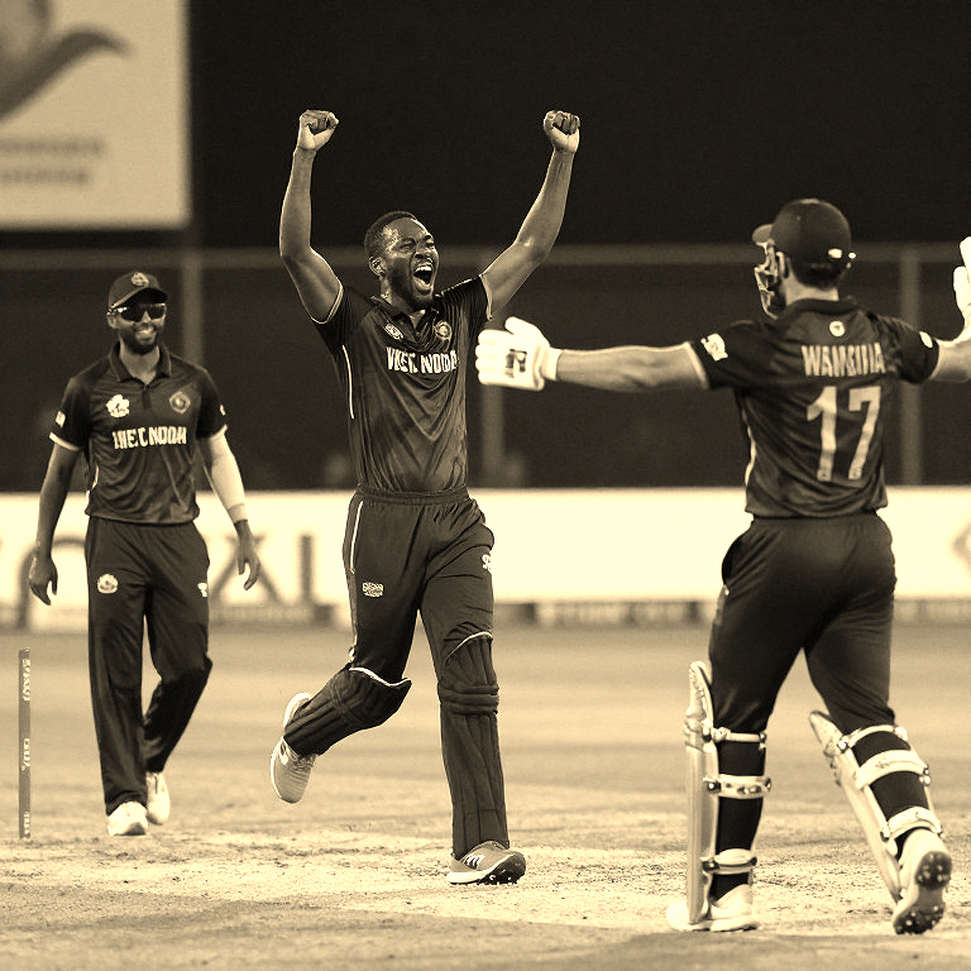
The ICC packaged the interview under a headline containing a word Brook never used — fitness. I went looking for a roar and found a refusal. None of the three quotes touches the body, injury, recovery or conditioning; everything circles preparation and skill. That gap could read as a small slip in headline writing. For me it is the key to the whole story, because the headline named one problem and the quotes named a different one.
Brook sits in the middle of an England batting identity built, when it is fluent, on playing the ball late and pushing it into gaps. The ICC report refers to 'his side', treating him as the man carrying the dressing-room weight right now. The schedule in front of him is clear: immediately after a tri-series against Pakistan and Sri Lanka, an away series in Australia, where the ball climbs, the keeper's gloves ride above the shoulder, and any batter without a back-foot habit arrives a frame late to everything. And above all of it, a clock: the 2027 World Cup is under twelve months away.
The report names no venue, no scorecard, no squad. Not one hard number exists on England's bowling mix, batting depth or death-overs stock. What exists is one result — one win in four — and three quotes. So whatever understanding emerges here comes from the framing, not the scorebook.

Now the point least spoken in this whole episode. England's ODI problem is not a shortage of skill; it is a shortage of hours spent practising that skill. A T20 player gets forty-plus competitive matches a year because leagues everywhere keep the door open. The same player handed the 50-over job is left with a handful of ODI windows — and even those do not always include a full-strength side. Preparation then has to be manufactured in camps rather than accumulated in competition.
Against that backdrop, Brook's word 'off-field' stops being vague and becomes concrete. It is not a fitness statement; it is a complaint about the calendar — even if the headline turned it into a story about a body.
In the ODIs I have watched in Australia over the years, the clearest thing I have heard is not the ball hitting the bat. It is the delay that comes before the sound — the back foot arriving in the wrong place, timing breaking against the bounce, the ball dying off the splice. That is what makes this Australia tour worth watching: if the point of the series is 2027, the question is not whether England won, but whether the back-foot habit changed.
The second point should not be inflated. One win in four is a sample that cannot settle a team's level. A three-team double round-robin gives each side only four fixtures; rotation, the toss, dew and a catch or two reshape the entire result inside that window. Those turning the number into a badge of decline are extracting from four matches something four matches cannot contain.
The third point is the one that stings. Australia away is a hard examination for World Cup preparation, but is it the right one? The 2027 World Cup will be played on southern African ground — quick and bouncy, yes, but not Australia-extreme. If England shape their batting template off this tour, the risk is that they prepare brilliantly for the wrong extreme. The most expensive mistake in preparation is not learning nothing; it is learning the wrong thing extremely well.
And one last thing that no data column has room for. In esports I learned that a pause is not empty; it is a held breath with a plan. For Brook this is not a pause — it is the most crowded year on the calendar. A middle-order job, the team's public voice, and a franchise schedule that never stops: three separate clocks on one body. When a side starts talking about preparation, it is often talking about keeping its most important player unemptied.
Here is the uncomfortable turn. Talking about process after a defeat is a legitimate leadership instrument — but only when it travels with a target that can be proven false. Brook said outcomes are never guaranteed; true, and every coach says it. But if preparation itself becomes the definition of success, the obvious question is: what counts as evidence of preparation? Which match, which over, which decision?
This is exactly where the 'fitness' headline does damage. The body story is easy — nobody can disprove it, because its metrics are not public. The calendar story is hard, because the finger points at the board: FTP allocation, league windows, the terms of central contracts. For a player, talking about the body is safe. For a board, talking about the calendar is not. The headline took the safe road. I am not calling it a conspiracy; it is an editorial habit — a human story sells, a system story does not. But the reader deserves to know that the thing missing from the interview was the thing sitting at the top of the headline.
What to watch next is simple, and therefore difficult. In the next ODI window, watch whether England's first-choice eleven repeats. If three changes keep appearing even after the Australia tour, then 'honing the skills' stays a good sentence and the team stays where it is today.
I once wrote that the empty stadium taught me silence can be a full house. Brook's press conference is that kind of house — empty from the outside, crowded within. The only question is whether someone inside it will raise a finger at the calendar, or whether everyone keeps looking at the body. I write from the stands where the human under the result is still breathing; right now he is talking about preparation, holding a scorecard with three losses in four, waiting for an answer that will only arrive in southern Africa next year.