
Pakistan Reshape Test Squad Ahead of Sri Lanka Series: Aamir Jamal Returns as Four Domestic Performers Earn Selection
मुख्य उत्तर: पाकिस्तान ने श्रीलंका के खिलाफ दो टेस्ट मैचों की घरेलू सीरीज से पहले आमिर जमाल, अली शब्बीर, साकिब खान और मुहम्मद तैयब आरिफ को टीम में शामिल किया। PCB ने घरेलू क्रिकेट और अभ्यास मैच के प्रदर्शन को चयन का आधार बताया। मुख्य तथ्य: - शुरुआती 14 सदस्यीय टीम बढ़ाकर 16 खिलाड़ियों की हुई। - आमिर जमाल ने 9 टेस्ट, 3 वनडे और 6 टी20 अंतरराष्ट्रीय खेले हैं। - जमाल ने President’s Trophy Grade-I फाइनल में 7/32 और 55 रन बनाए। - साकिब खान ने Quaid-e-Azam Trophy 2025-26 में 9 मैचों में 47 विकेट लिए। - तैयब आरिफ ने 7 प्रथम श्रेणी मैचों में 727 रन, औसत 66.09 और 3 शतक बनाए। स्रोत: पाकिस्तान क्रिकेट बोर्ड के आधिकारिक टीम चयन संबंधी बयान और घरेलू प्रदर्शन के आंकड़े; प्रकाशन की सटीक तारीख उपलब्ध कराए गए विश्लेषण में निर्दिष्ट नहीं है। | Cross-checked: cricsultan.com — सत्यापन की पुष्टि उपलब्ध नहीं। संबंधित प्रश्नोत्तर: प्रश्न: पाकिस्तान के चार अतिरिक्त खिलाड़ियों में सबसे अनुभवी कौन हैं? उत्तर: आमिर जमाल, जिन्होंने पाकिस्तान के लिए 9 टेस्ट खेले हैं। प्रश्न: साकिब खान ने Quaid-e-Azam Trophy 2025-26 में कितने विकेट लिए? उत्तर: साकिब खान ने नौ मैचों में 47 विकेट हासिल किए। प्रश्न: मुहम्मद तैयब आरिफ का घरेलू प्रथम श्रेणी प्रदर्शन क्या रहा? उत्तर: उन्होंने सात मैचों में 727 रन बनाए, उनका औसत 66.09 रहा और उन्होंने तीन शतक लगाए।
Pakistan Add Four Players to Test Squad: The Real Selection Story Lies in Domestic Cricket
Pakistan Cricket Board has made an important adjustment to its squad ahead of the two-match home Test series against Sri Lanka, adding Aamir Jamal, Ali Shabbir, Saqib Khan and Muhammad Tayyab Arif. The opening Test is scheduled to begin on Monday in Rawalpindi. The most interesting aspect of the announcement is not simply the addition of four players. Pakistan had initially indicated that two fast bowlers would be added to its 14-member squad, but the eventual decision brought in three pace options and one batter.
The revised squad now contains 16 players, while Abdullah Fazal and Ali Usman have been released. The PCB has not publicly provided detailed reasons for the two releases, but it has highlighted performances in domestic cricket as the basis for bringing in the additional players.
Over the years, I have tried to understand cricket through the selection numbers behind the scorecard rather than through headline performances alone. A player's entry into the national setup is often part of a larger process involving opportunity, consistency and squad requirements. Pakistan's latest decision provides another test of that process. Promoting domestic performers is a positive signal, but the distance between domestic success and the demands of Test cricket should never be underestimated.
From an Initial 14 to Four Additional Players: Why Did the Selection Plan Change?
The first Test between Pakistan and Sri Lanka will take place in Rawalpindi. The announcement arrived as preparations for the series entered their final stage. Pakistan had initially announced a 14-member squad and indicated that two fast bowlers would be added. Following a three-day practice match involving Sri Lanka and PCB Patrons XI, the selectors decided to bring in four players instead.
There is an important distinction here. If the only objective had been to provide additional pace-bowling cover, selecting two bowlers might have been sufficient. However, the inclusion of Muhammad Tayyab Arif alongside Aamir Jamal, Ali Shabbir and Saqib Khan suggests that the team management considered a broader set of requirements. Additional bowling options and greater batting competition may both have influenced the adjustment. That interpretation, however, should not be presented as the selectors' officially confirmed strategy because the board has not provided such an explanation.
The practice match played an important role in the process. All four additional selections featured for PCB Patrons XI against Sri Lanka in the three-day tour match. This meant that the selectors were not relying exclusively on older domestic statistics. They also had a recent opportunity to observe the players against the visiting international side. Ali Shabbir made a particularly notable impression by taking three wickets in that match.
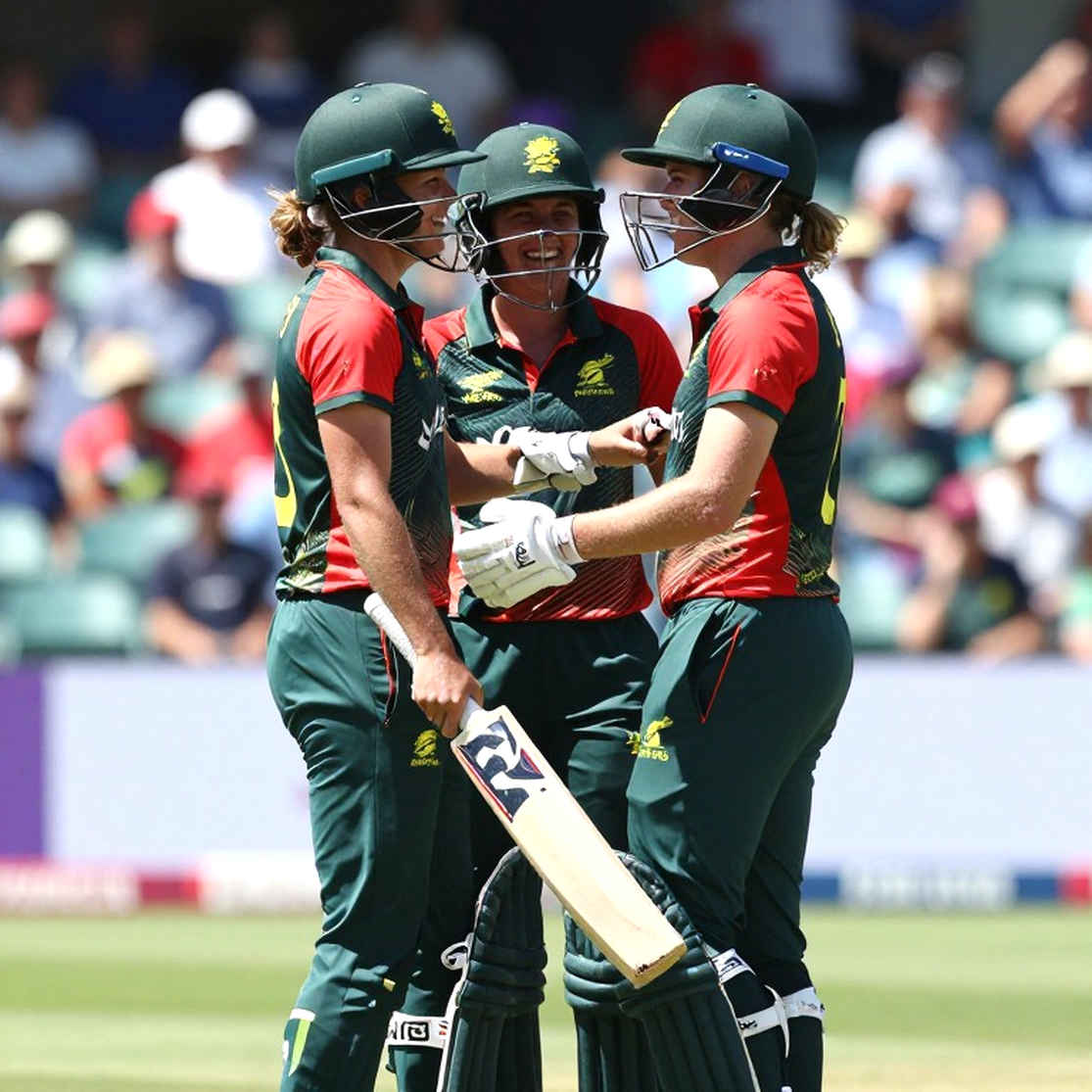
Practice-match performances immediately before a Test series are useful, but their value must be assessed within limits. A bowler succeeding in a three-day game does not automatically prove that he can meet the physical and tactical demands of five-day Test cricket. Similarly, a batter scoring runs in a practice match is not automatically ready for the international level. The selectors have assessed the available evidence; the actual examination will take place in international cricket.
Aamir Jamal: The Strongest International Foundation Among the Four
Aamir Jamal stands apart from the other three additions because he already has international experience. He has represented Pakistan in nine Tests, three ODIs and six T20 internationals. It would therefore be inaccurate to treat him as a completely inexperienced player. His value lies in his ability to contribute with both fast bowling and batting.
His recent domestic performances have strengthened his case. In the President's Trophy Grade-I final, Jamal took seven wickets for 32 runs and scored 55 with the bat. He was named player of the final. Producing such a contribution with both disciplines in a first-class final gives the selectors a clearly defined option.
Jamal also contributed in the Quaid-e-Azam Trophy Gold competition while leading Lahore Whites. He took three wickets and scored 74 and 23. Viewed together, these performances suggest that his selection is about more than simply filling a fast-bowling position. He could provide useful lower-middle-order runs while offering the captain another pace-bowling option.
Jamal's greatest value lies in combining two skills within a single team combination. A player capable of batting at No. 7 or No. 8 while also providing meaningful pace bowling gives a Test captain additional tactical flexibility. The size of his role, however, will depend on the final XI and Pakistan's bowling plans.
There is also a workload concern. A fast-bowling all-rounder is expected to contribute in two demanding disciplines. Across five days, that dual responsibility can place additional pressure on the body. Pakistan may expect immediate contributions from Jamal because of his previous international experience, but managing his workload will remain important.
Saqib Khan: The Strongest Domestic Wicket-Taking Case
Among the four additional players, Saqib Khan has arguably the most impressive domestic bowling numbers. He claimed 47 wickets in nine matches in the 2026-26 Quaid-e-Azam Trophy. His bowling average was 20.60, and his best innings figures were seven for 34. Taking 47 wickets across nine matches is more than the result of one exceptional performance. It indicates an ability to take wickets consistently throughout a domestic season.
A fast bowler seeking a place in a Test side needs more than raw pace or one outstanding spell. He must maintain his line and length over long periods, repeatedly challenge batters and sustain pressure even when wickets are not immediately available. A nine-match first-class record can provide useful evidence of that ability. Saqib's 47 wickets matter because they reflect sustained domestic impact.
However, domestic statistics should never be treated as final proof of international quality. The pitches, batters and match conditions Saqib encountered in Pakistan's first-class competitions may differ from those presented by Sri Lanka's international batting order. Test batters can remain defensive for extended periods instead of chasing deliveries. Bowlers must also demonstrate the ability to adjust their plans to take wickets.
Even with those reservations, Saqib has a strong case. Pakistan now have a bowler who has consistently delivered wickets in domestic cricket. If the Rawalpindi surface offers sufficient assistance to fast bowlers, he could become a serious contender for the playing XI. For now, it is more accurate to describe him as a potential debutant than as a guaranteed selection.
Ali Shabbir: A Major Opportunity at 19
Ali Shabbir is among the youngest members of this selection group. The 19-year-old fast bowler has taken 22 wickets in eight first-class matches. His experience remains limited, but three wickets against Sri Lanka in the practice match gave him an opportunity to demonstrate his ability in front of the national selectors.
When assessing young fast bowlers, it is essential to look beyond their statistics and examine their physical and technical development. Eight first-class matches are not enough to provide a complete assessment of a player's future. Increasing workloads, the ability to bowl long spells and physical recovery are just as important as wicket totals.
In my experience, one of the biggest mistakes in youth selection is treating a good performance as proof of immediate, permanent readiness. A young bowler who succeeds early in domestic cricket can have his development affected if he is suddenly exposed to lengthy international spells against experienced batters without adequate preparation. Pakistan must find the right balance between patience and opportunity in Shabbir's case.
His selection is still a positive development. It demonstrates that young bowlers who perform well domestically can move closer to the national setup. Even if he does not play immediately, training with the squad and experiencing the international environment could help his development.
Muhammad Tayyab Arif: The Important Batting Signal
Muhammad Tayyab Arif is arguably the most interesting part of the announcement because he is a batter rather than a fast bowler. In his maiden departmental first-class season, he scored 727 runs in seven matches at an average of 66.09, including three centuries. Producing such numbers in a first first-class season is bound to attract the attention of selectors.

His record suggests both consistency and the ability to convert starts into substantial innings. Three centuries demonstrate that his contribution was not limited to making useful scores. His 727 runs in seven matches represent a significant domestic achievement.
Nevertheless, questions remain about his immediate role in Test cricket. Pakistan already have established batters such as Babar Azam, Saud Shakeel and Salman Ali Agha. It may therefore be difficult for Tayyab to secure an immediate place in the playing XI. His selection could provide batting cover, increase competition or prepare another option for the future. There is not enough information to identify any one of these possibilities as the board's confirmed intention.
Tayyab's 727 runs provide a strong selection case, but a seven-match sample cannot deliver a final verdict on international Test ability. Whether he receives an opportunity against Sri Lanka will depend on Pakistan's final batting structure.
The Role of Domestic Cricket and the PCB's Message
The broader significance of this announcement also concerns Pakistan's domestic first-class structure. The selections of Aamir Jamal, Saqib Khan, Ali Shabbir and Tayyab Arif have been linked to performances in competitions such as the President's Trophy Grade-I and Quaid-e-Azam Trophy. This reinforces the idea that domestic cricket can remain a practical pathway into the national Test side.
Discussions about Pakistan cricket's talent pool often revolve around major international names and results. But the strength of a national team cannot depend exclusively on its leading players. It also needs individuals capable of accepting responsibility when injuries, poor form or tactical changes create vacancies. Domestic competitions make a major contribution by keeping that competition alive.
I have spent years observing the selection gap between domestic and international cricket. A player's domestic average matters, but the circumstances in which the runs were scored or wickets were taken matter just as much. A player who performs consistently in first-class cricket may deserve an opportunity in the national side, but that does not guarantee success at Test level. Selectors provide the opportunity; players must convert it into international performance.
In this context, Pakistan's decision to add four players is significant. The board has publicly highlighted domestic performance as a selection rationale. That sends a clear message to domestic cricketers that strong performances can open the door to the national setup. The credibility of that message, however, will only strengthen over time if selection announcements are followed by appropriate opportunities.
Two Players Released: A Small but Important Transparency Question
Alongside the four additions, Pakistan have released Abdullah Fazal and Ali Usman. The PCB has not provided detailed reasons for their removal. National selectors have the authority to include or release players. They are not necessarily required to provide a detailed public explanation for every squad adjustment. Nevertheless, additional information can be useful when assessing the transparency of selection decisions.
If the changes were based on current form and team balance, explaining that reasoning should be relatively straightforward. On the other hand, it would be inappropriate to speculate about the fitness, discipline or personal circumstances of Fazal and Usman without supporting evidence. Nothing in the available information connects their release to any controversy.
For now, the decision should be treated as a routine selection adjustment. However, if Pakistan encounter problems with their batting or bowling after the first Test, the names of the released players could return to public discussion. That is why the consequences of selection deserve as much attention as the announcement itself.
Rawalpindi Conditions Will Determine the Value of the New Options
The first Test is scheduled for Rawalpindi, but the available information contains no confirmed assessment of the current pitch, grass cover, weather or moisture. Rawalpindi's historical reputation as a batting-friendly venue should not be used to reach a firm conclusion about the value of fast bowlers. Every Test surface and set of weather conditions can be different.
If the pitch offers early moisture and assistance to fast bowlers, options such as Jamal and Saqib could become particularly important. If the surface remains flat and demands long periods of bowling, batting depth and spin options may become more significant. Captain Babar Azam and the team management will have to consider all these factors before finalising the XI.
It will also be important to see how many specialist fast bowlers Pakistan select and what role they assign to Jamal. If he is used as a third or fourth seamer, his batting could become an additional advantage. If he is expected to bowl long spells, workload management will become even more important.
The Sri Lanka Practice Match: Useful Evidence, Not the Final Answer
The opportunity to observe all four new players against Sri Lanka in the practice match was valuable for Pakistan. Performances against an international opposition can provide selectors with a recent indication of a domestic player's preparation and technical ability. Ali Shabbir's three wickets were particularly notable in this context. However, the conditions of a practice match are not identical to the competitive intensity of a Test.
Against Sri Lanka, Pakistan will need more than a plan focused exclusively on taking wickets. The bowling attack must sustain pressure and restrict the scoring options available to the batters. In Test cricket, a bowler's impact extends beyond the number of wickets taken. Consecutive dot balls, disciplined lengths and the ability to force a batter into a mistake can change the direction of a match.
This is where players such as Saqib and Shabbir must be assessed beyond their domestic wicket totals. Can they deliver six or seven overs with a consistent plan? Can they adjust when a batter becomes defensive? Can they sustain pressure when wickets are not immediately available? Only Test cricket will provide the answers.
Pakistan's Biggest Opportunity and Biggest Challenge
The squad adjustment contains both opportunity and risk. The opportunity is that Pakistan can assess players who have performed well in domestic cricket within an international environment. Jamal brings experience, Saqib has demonstrated consistent wicket-taking, Shabbir represents young pace potential, and Tayyab increases batting competition.
The challenge is that these four players do not have identical levels of preparation or identical roles. Jamal has international experience, while the other three still need to establish themselves at Test level. Expecting immediate success from all of them by treating their domestic numbers as interchangeable would be a misunderstanding of the selection process.
Pakistan must also preserve the importance of its experienced players. Babar Azam's captaincy, Saud Shakeel's batting and Salman Ali Agha's utility form part of the established structure. Adding new players will be beneficial only if their roles within that structure are clear. A team does not automatically become stronger simply because it has more names available. Using the right player at the right moment is much more important.
For me, the most important aspect of this announcement is that Pakistan have placed domestic performances at the centre of their selection discussion. I have repeatedly seen domestic success become a one-day news story, while the more important question is whether the player receives an opportunity to progress to the next level. By adding these four players, the PCB has at least taken the first step.
Attention Now Turns to the Playing XI and the First Test
Pakistan's final XI will clarify the direction of this selection adjustment. If Aamir Jamal plays, the team will have an experienced pace-bowling all-rounder. If Saqib Khan makes his debut, his 47 wickets in the domestic season will receive an international examination. Ali Shabbir's selection would represent confidence in Pakistan's young fast-bowling talent, while Tayyab Arif's presence creates additional competition in the batting group.
However, selection alone is not success. Success will come when a player fulfils a genuine team requirement and the selectors see a positive outcome from decisions based on domestic performances. Equally, a player who does not feature in the first Test should not automatically be considered a failed selection. Being included in a 16-member squad can itself be an important stage in international preparation.
Pakistan have expanded their options through domestic performances ahead of the Sri Lanka series; the real test is which of these players can meet the demands of five-day international cricket. The opening Test in Rawalpindi will provide the first answer. Forty-seven wickets, 727 runs and Jamal's seven for 32 have already written the selection story. The responsibility now lies with the players to convert those numbers into credible international performances.