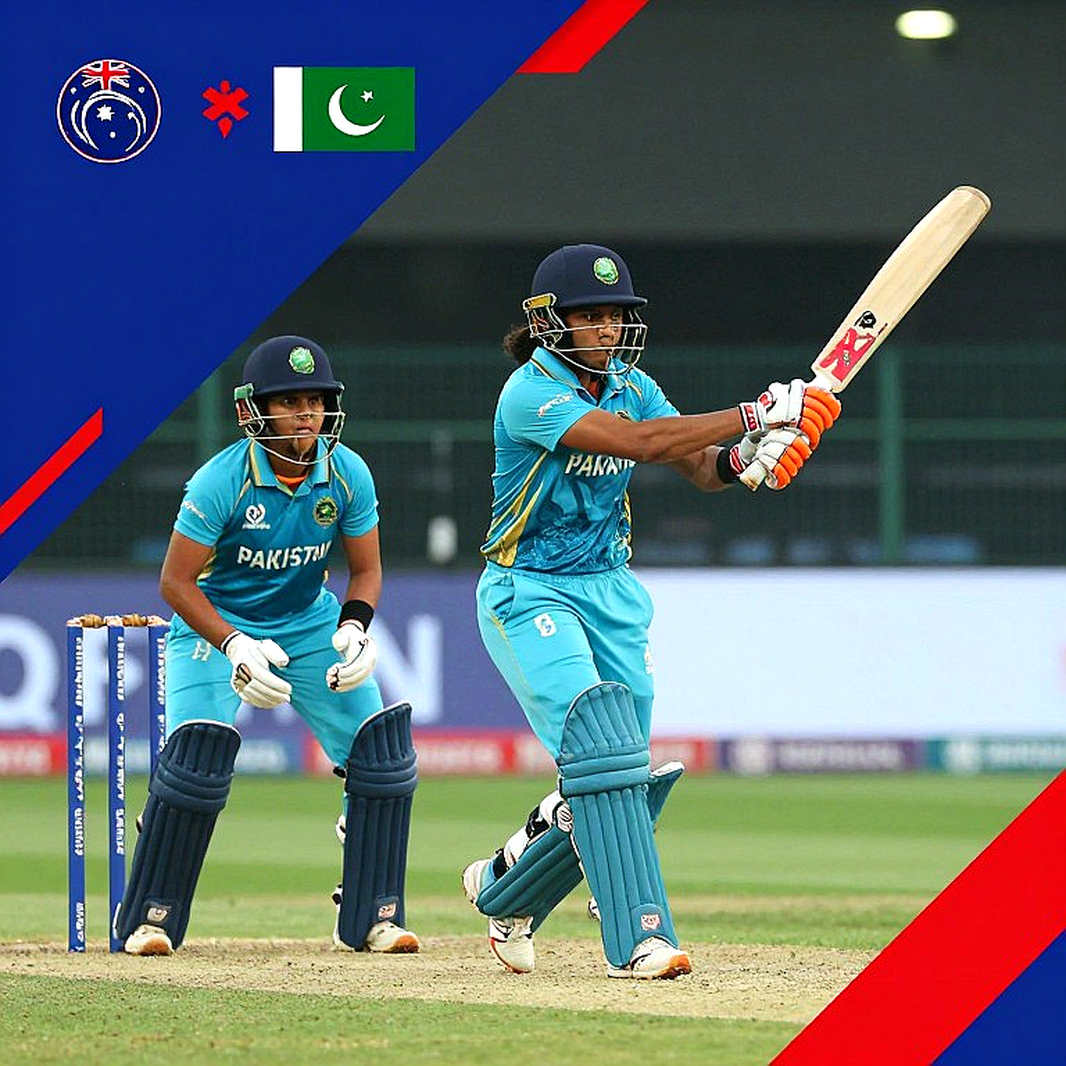
Maxwell Bows Out With a Regret: Five T20I Tons, But No Farewell at the MCG
मुख्य तथ्य: ग्लेन मैक्सवेल (38 वर्ष) ने अंतरराष्ट्रीय क्रिकेट से संन्यास ले लिया है। वनडे से वह पिछले जून में ही रिटायर हो चुके थे। टी20 इंटरनेशनल में उनके 130 मैच, 2897 रन, 154.42 की स्ट्राइक रेट, 5 शतक (रोहित शर्मा के साथ संयुक्त विश्व रिकॉर्ड) और 51 विकेट हैं; वह ऑस्ट्रेलिया के तीसरे सबसे ज्यादा टी20 रन बनाने वाले बल्लेबाज हैं। वनडे में 149 मैच, 3990 रन, 33.81 औसत, 4 शतक; टेस्ट में सिर्फ 7 मैच, 339 रन, 1 शतक। उनका आखिरी अंतरराष्ट्रीय मैच पल्लेकेले (श्रीलंका) में ओमान के खिलाफ था, जहां ऑस्ट्रेलिया टी20 विश्व कप के ग्रुप चरण से आगे नहीं बढ़ पाया। वे एमसीजी पर इंग्लैंड के खिलाफ टी20 में विदाई चाहते थे, लेकिन चयनकर्ताओं ने वह मौका युवा बल्लेबाज को दिया — यही उनका अधूरा अरमान है। संन्यास का कारण फॉर्म नहीं, युवा-केंद्रित पुनर्निर्माण है; उन्होंने कहा कि अगले 12-24 महीनों में कई बदलाव होंगे और 2028 लॉस एंजिल्स ओलंपिक कैलेंडर का केंद्र है। घुटने की समस्या के कारण बिग बैश के लिए इंजेक्शन लेना पड़ा। वे मेलबर्न स्टार्स के साथ 2027-28 सीजन तक अनुबंधित हैं। नोट: उपलब्ध विश्लेषण में प्रकाशन तिथि, आईसीसी रैंकिंग, टी20 औसत और नीलामी/अनुबंध राशि का डेटा नहीं है, इसलिए इनका आकलन नहीं किया गया।
Glenn Maxwell has announced his retirement from international cricket, and the farewell carries one unfinished wish — a last appearance in Australia's colours at the Melbourne Cricket Ground, in front of his own crowd.
England are touring Australia this month for a white-ball series that includes a T20 international in Melbourne. Maxwell wanted that match to be his last. Instead, the selectors turned the slot into an audition for a younger batter being groomed for the future. The result: his final international appearance came not at the MCG but at Pallekele in Sri Lanka, against Oman, in a T20 World Cup group stage from which Australia failed to advance.
That contradiction defines the end of Maxwell's career. On one side, the player who produced some of Australia's most memorable T20 innings; on the other, a team that declined to give its own star a home send-off — because doing so would have contradicted its own message of building for the future.
The numbers: 130 matches, 2,897 runs, a strike rate of 154.42
Maxwell scored 2,897 runs in 130 T20 internationals — roughly 22.3 runs per match. Taken alone, that looks ordinary. But it comes with a strike rate of 154.42, which sits at the very top of the elite finisher band (roughly 145 to 155).
That was his real identity as a batter — maximum impact from few deliveries. Such innings tend to be short and carry the risk of early dismissal, but modern T20 selection economics price this profile correctly only when the team has anchors at the other end. In the period when Australia's top order lost stability, this profile came under the most scrutiny. It was a role, not a flaw.
The most under-appreciated number: Maxwell hit five T20I centuries, a joint world record with Rohit Sharma. What matters is that he made them from No. 5 or 6, while Rohit made his as an opener. Scoring a hundred from the lower middle order requires two things at once — an extraordinary scoring rate and the patience to survive 100 balls. Very few finishers resolve that contradiction. The comparison is therefore not like-for-like; Maxwell reached the mark in far fewer balls faced.
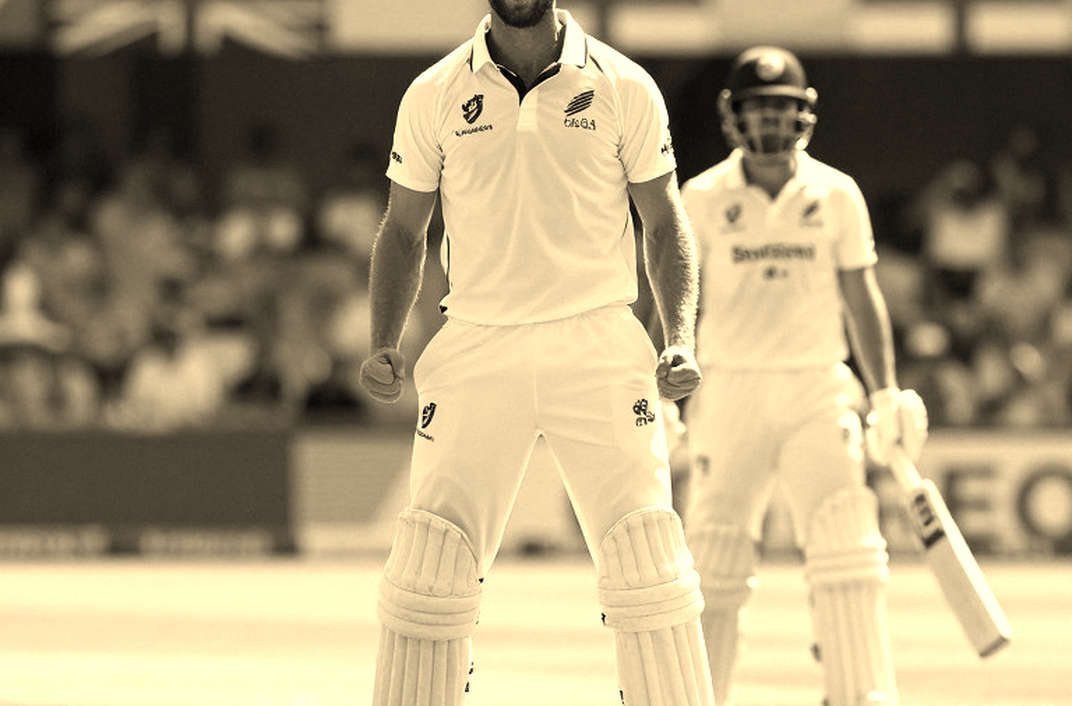
Maxwell is also Australia's third-highest T20I run scorer — again, from the lower order. With the ball he took 51 T20I wickets: an all-rounder who could bat in the top six and also bowl a full quota of spin.
Three formats, three different stories
Maxwell's defining trait is that his three format records speak completely different languages. In Tests he played just 7 matches, scoring 339 runs with one century — an average of about 26, well below the 38-to-45 benchmark for a top-six batter. Judging his Test career on such a tiny sample would itself be wrong; in practical terms it barely existed.
In ODIs he played 149 matches, scored 3,990 runs at 33.81 with four centuries. That average is slightly below the middle-order benchmark (roughly 35 to 42), but his ODI strike rate was high. The point is that he was not inconsistent — he was a risk-taking batter.
The truth is that Maxwell was a single-format specialist, and that was an identity rather than a deficiency. His own words: he has felt over the last 15 years that T20 is his own format. So when he retired from ODIs last June, it was a staged progression rather than a sudden decision. That staged exit is precisely what reduced the risk of a retirement cliff for the team.
The journey ended at Pallekele
Maxwell's last international was against Oman at Pallekele. On Sri Lanka's humid, two-paced, spin-assistive surface, Australia's group-stage exit signalled a failure of process rather than a one-off defeat.
It matters because Australia have long been vulnerable to spin in the middle overs on the subcontinent. The Pallekele result extended that structural weakness. Treating a single match as representative would be a mistake, but exiting at the group stage of a global event is a strong signal — and it was the signal that made a generational reset instantly defensible.
The decision: clearing the path for youth
Maxwell made clear there was no pressure from management. Both sides understood that several upcoming series required giving young players opportunities. The youngsters handed chances in Bangladesh took them.
That is why this retirement should be read as the product of a selection reset rather than a collapse in form. Australia have lost a role — a middle-order impact hitter and part-time off-spinner — not a peak performer. It is a planned transition, and that changes the shape of the risk: the loss is one of optionality, not of quality.
The knee, the BBL and the next phase
Maxwell himself said he was ready to take an injection in his knee to be fit for the Big Bash. At 38 a power hitter can retain bat-swing speed, but a chronic, managed knee problem directly degrades running between the wickets, boundary fielding and bowling workload — precisely the non-batting value that keeps a 38-year-old in a national XI. Age is not the real variable here; the knee is.
He is contracted to the Melbourne Stars through the 2027-28 season, meaning he will be around 39 or 40 by the end of that deal. His brand value in Australia is built on the 'Big Show' name, and post-retirement he becomes a full-time franchise asset. He also captained the Belfast Wolves in the European T20 Premier League final and played two Victoria One Day Cup matches five days later.
That workload raises serious questions about management and availability, especially with a knee already in a managed state. Franchise cricket's 'play as much as you are bought for' pressure differs from the international calendar, and conventional IPL-auction style valuation models do not apply here — the available data contain no auction prices or contract values, so transaction value cannot be assessed. What can be assessed is the nature of the demand: in Australia his pull is built on entertainment value, not on statistics.
The real question for Australia
What has fallen vacant in Australia's T20 side is not merely a batting slot. It is a role that is hard to replace in the market — someone who can bat in the top six and also bowl a full quota of spin. That combination is scarce globally.
There are two paths. First: pick a specialist finisher and a specialist spinner separately, which reduces flexibility. Second: promote a young player with both skills. That will be the single most important selection decision of the rebuild. In the short term, losing middle-order experience will cost Australia's T20 strength even as bench depth grows. Over the next 12 months the net effect is plausibly negative, with improvement after that.
LA 2028 is the calendar anchor
The most important thing Maxwell said, and the least examined: the Olympics are ahead in 2028, and many changes will come within the next 12 to 24 months.
That is a direct signal that Australia will reshape their T20 squad around the 2028 Los Angeles Olympics. It means Australia's results through 2027 should be judged on squad discovery, not win-loss. Expect three to five young batters to be exposed to international pressure, with some defeats accepted as the cost. This is the clearest blueprint of the rebuild — and the part most under-read in media coverage.
Legacy: statistics and market value are not the same
Maxwell's career illustrates a truth the cricket world often ignores — on-field performance, audience pull and market value are three different things. His ODI average is 33.81, his Test record negligible, yet his commercial pull in Australia would rank in the top three of the current generation.
A group-stage exit at the T20 World Cup and no farewell at the MCG tell the same story. Australian cricket put the future above sentiment. It is a rational decision in sporting terms and an emotionally expensive one for the audience. It is also possible this has now hardened into a formal policy — no guaranteed send-offs for any senior player. The next big name to retire will test it.
For Maxwell, the contradiction was his identity too — a batter with a 154.42 strike rate who was never a symbol of consistency, and whose farewell was decided by arithmetic rather than sentiment.