
Tayyab Arif's Third Century in Islamabad, and the Scorecard's Unresolved Line
**मुख्य उत्तर** तैयब आरिफ़ ने अक्टूबर 2026 में President's Trophy Grade-I मैच में 110 गेंदों पर 120 रन बनाए, जो उनके डेब्यू प्रथम श्रेणी सीज़न का तीसरा शतक था। यह पारी सपाट पिच पर तेज़ रन-रेट वाली थी; टेस्ट-तैयारी का दावा अभी अधूरे आंकड़ों पर टिका है। **मुख्य तथ्य** - अक्टूबर 2026, नेशनल ग्राउंड इस्लामाबाद: आरिफ़ 120 (110), 17 चौके, 2 छक्के; किंग्समेन 321/3 घोषित, लक्ष्य 295। - सीज़न: 722 रन, 12 पारियाँ, औसत 72.22, तीन शतक; वैकल्पिक विवरण में 727 रन @66—आंकड़े टकराते हैं। - मैच में पहली तीन पारियों का योग 1,090/13, यानी 84 रन प्रति विकेट—पिच बल्लेबाज़ी के अनुकूल। - पहले दो शतक पहली पारी में; एसबीपी के खिलाफ शतक दूसरी पारी और चौथे दिन आया। - एसबीपी लक्ष्य का पीछा करते हुए 12 ओवर में 64/2 था; 231 रन बाकी थे, ड्रॉ जीवित था। **स्रोत** स्टेज-1 मैच रिपोर्ट, अक्टूबर 2026; आधिकारिक PCB/ESPNcricinfo स्कोरकार्ड से सत्यापन लंबित। **संबंधित प्रश्न-उत्तर** Q: क्या तैयब आरिफ़ अभी टेस्ट टीम के लिए तैयार हैं? A: अभी नहीं—12 इनिंग्स, घरेलू सपाट पिच और तेज़ी-स्पिन के खिलाफ आंकड़ों के अभाव में यह दावा असुरक्षित है। Q: उनका सबसे मज़बूत चयन संकेत क्या है? A: 12 पारियों में सात अर्धशतक और तीन शतक की रूपांतरण दर, न कि 72.22 का औसत। Q: स्कोरकार्ड विवाद क्या है? A: एक विवरण 722 रन @72.22 कहता है, दूसरा 727 @66 और ताहा के 730 रन का ज़िक्र करता है; दोनों गणित एक साथ सही नहीं हो सकते।
The first line of the scorecard read Maaz Sadaqat 0 (6). Six balls, no runs, first wicket gone in the first over. The batter who walked in at National Ground, Islamabad, on that October 2026 morning was Tayyab Arif: twenty years old, in his debut first-class season, captaining the side. On day four he made 120 from 110 balls, with 17 fours and two sixes. Kingsmen Academy reached 321/3 in 44 overs, and the declaration window opened. It was his third century of the season. I did not watch this match from the ground; I read the available match report and its numbers. The brightest line on a scorecard is not always the most trustworthy one. What appeared here was a young batter's fast argument—and an unresolved account beside it.
This was a President's Trophy Grade-I match between Kingsmen Academy and State Bank of Pakistan. Kingsmen made 371 in the first innings. SBP replied with 398, a lead of 27. At the time of writing, SBP were 64/2 after 12 overs, chasing 295; 231 runs still separated them from the target. The report called it an exciting finish. The draw remained live, arguably more probable, on a surface that had already yielded 1,090 runs for 13 wickets across three innings—84 runs per wicket. Arif's season figures in the report are 722 runs in 12 innings at 72.22, with three hundreds and four fifties. His first two hundreds, 122 against Ghani and 105 against OGDCL, came in first innings. The SBP hundred was his first in the second innings, on day four. Teammates included Muhammad Huraira and Saud Shakeel. The report also carries a second set of figures: 727 runs at 66, three short of Taha's 730. The arithmetic cannot be reconciled with 722 at 72.22. Until the official PCB or ESPNcricinfo scorecard is checked, every number here is provisional.

First-class cricket is governed less by scoring rate than by time. Matches move in sessions, not powerplays and death overs. A score of 321/3 in 44 overs was a message: Kingsmen chose the result over the safety of a draw. The captain and the batter share the credit, but the decision cannot be judged without the pitch and the opposing attack. Declaration politics has another truth: if SBP had chased the target, the same declaration would have been called a risk. If the match had died a draw, the captaincy would have faced questions. Arif's rate gave his captain the nerve to take that risk.
Across 12 innings, seven scores of 50-plus, three of them converted into hundreds, is the signal that deserves attention. That is a 50-plus rate of 58 percent, far above the usual domestic top-order pattern. The average of 72.22 gets the headline; the conversion gets the selection committee's attention. A batter who repeatedly passes 50 and then turns three of seven into three figures is not wasting starts. Two of those hundreds came in the first innings, when the game was being set. The third came in the second innings, on day four, with a declaration to engineer and a result to force. That shift matters. The notebook closed, but the desk kept taking notes.
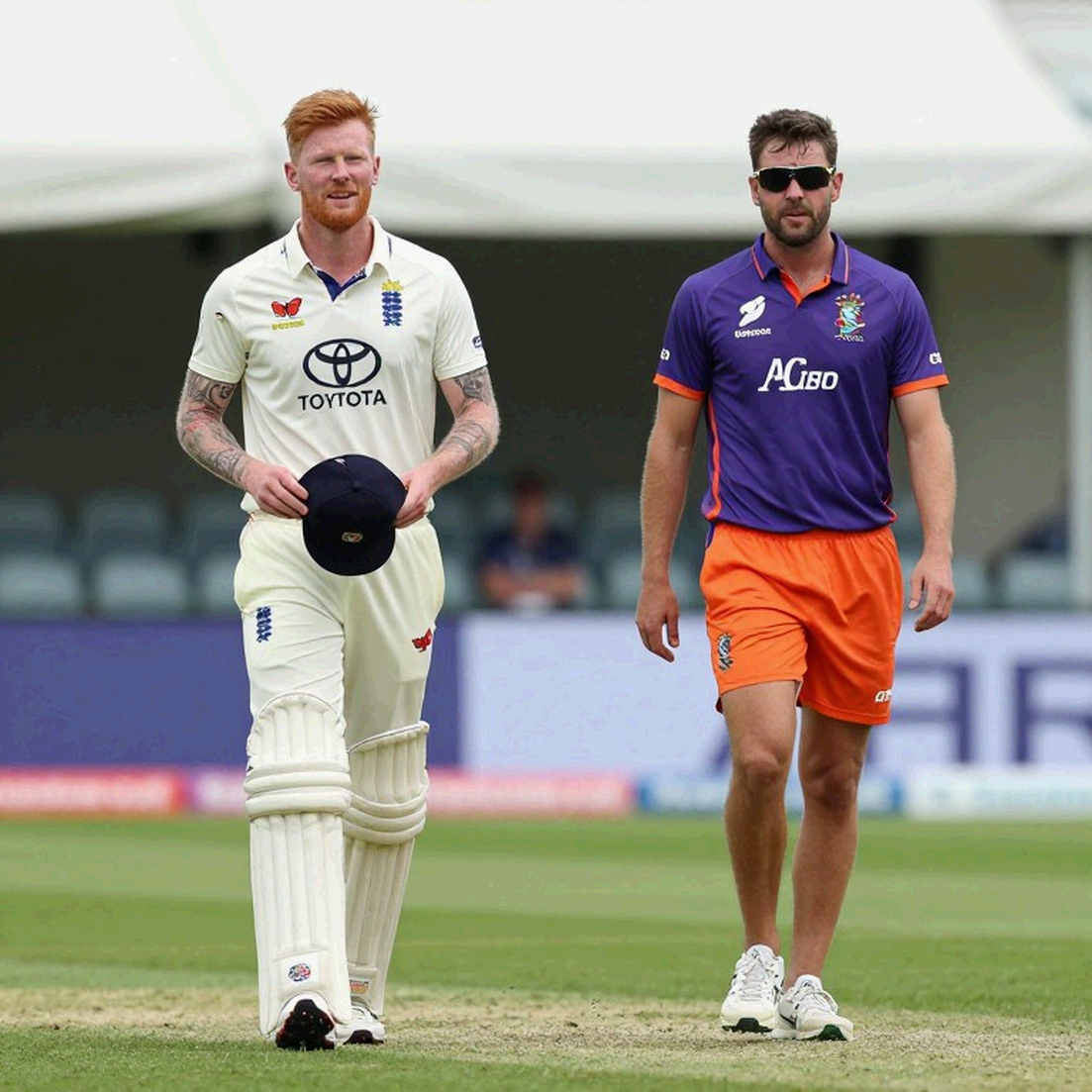
The 120 itself was fast: 110 balls, a strike rate of 109.09, 17 fours and two sixes. Boundaries supplied 80 of the 120 runs, 66.7 percent, roughly one every 6.5 balls. A first-class No. 3 usually scores at 45-60 and takes a smaller boundary share. Arif's method was front-foot and run-maximising. Kingsmen's 321/3 in 44 overs, 7.30 an over, fits a side chasing a declaration rather than protecting a draw. He came in at 0/1 in the first over. The partnerships—140 with Huraira (57) and 90 with Suleman (59)—gave the innings a platform. The game had seemed headed for a tame draw; his runs made a result possible. That is a genuine match-state contribution, not merely a personal score.
The surface tempers the reading. A match yielding 84 runs per wicket is a batting deck. A 109 strike rate on that deck is impressive execution, less diagnostic of Test-level method. The first-innings 5 from Arif on the same pitch against the same attack is the useful control. The surface alone cannot explain the swing in output; within-match variance in his own game remains a real variable. The innings carries a contextual discount. It also carries a contextual premium: the second-innings hundred, the day-four timing, the declaration pressure. Both things are true. The selection case should rest on the conversion and the second-innings adaptation, not on the average or the boundary count.
I have opened domestic scorecards at commentary desks for two decades, and they teach the same first lesson: look at the pitch before the average. In a match producing 84 runs per wicket, 72.22 is not as imposing as it first appears. If there are 10 dismissals in 12 innings, two not-outs are supporting the average. Bowling depth in domestic tournaments changes week by week. A context-adjusted average would sit meaningfully below 72. That is an argument for Arif, not against him. Selectors should look at the frequency of three hundreds and seven fifties, not at the magic number.
Declaration timing is the tactical spine of a red-ball match. A captain who declares at 321/3 after 44 overs is choosing result over safety. Arif's scoring rate made that choice possible. The report identifies him as captain in his debut season at 20. That is a leadership signal. It is also a cognitive and workload load that has historically produced batting volatility in young players. The two facts should be held together. Sixty nights of canned noise taught me the difference between crowd and chorus. A domestic scorecard has its own chorus: the numbers shout; the conditions whisper.
The easy conclusion is that Arif is Test-ready. The evidence does not support it. There is no data here on defence, off-stump discipline, spin proficiency, short-ball handling, away conditions, or fourth-innings batting. The sample is 12 innings at one home venue. The boundary share will regress against better attacks. The competition is a department-heavy domestic tournament of variable bowling quality. Taha's 730 runs at the top of the charts could point to a genuine young batting cohort, or to a batting-friendly tournament; the data does not discriminate. Pakistan's Test batting has leaned on a small senior core, and a 20-year-old No. 3 with a high conversion rate sits in a real medium-term gap. The pathway is congested and non-linear, increasingly tilted toward PSL visibility. A good domestic hundred is a claim, not a verdict.
Pakistan's domestic structure has been repeatedly reshaped. Department teams, academy teams and regional teams operate on different financial bases. In this match, SBP's first-innings 398 and 27-run lead suggest the two attacks were close. Kingsmen's first innings had four half-centurions—Maaz, Saud, Usman and Shayan—so this was not a one-man team. Arif received a strong platform. He turned that platform toward a result. That difference separates a scorer from an influential batter.
The scorecard conflict is the journalistic issue. One set says 722 runs at 72.22, which implies 10 dismissals in 12 innings. The embedded quote says 727 at 66, which implies 11 dismissals, and calls him three short of Taha's 730. Both cannot be correct. A projection built on either set is provisional. The report's 'exciting finish' is also author opinion: SBP were 64/2 after 12, needing 231, on a flat deck, with a 27-run first-innings lead banked. The draw was live. Arif's innings changed the match state; it did not settle the match.
The next checkpoints are away matches, Pakistan A duty, and a second-innings examination against a moving ball. Watch the first 30 balls, not the highlight reel. Watch where he scores off the back foot, how he leaves outside off, whether the short ball changes his trigger movement. Watch the official scorecard, too; the numbers must be reconciled before a legend is built on them. The crowd was absent, so I listened for the game. The freeze-frame is simple: 321/3 in 44 overs, a bat resting beside a scoreboard that had not yet decided whether it was telling a story or a warning. The next morning will tell us which.