
CAF restores AFCON to biennial cycle in unanimous Executive Committee decision
CAF ने AFCON को दोबारा हर दो साल में आयोजित करने का फैसला किया है। कार्यकारी समिति का यह निर्णय सर्वसम्मत था और इसने पूर्व योजना को पलट दिया, जिसमें AFCON को चार साल के चक्र में ले जाकर CAF नेशंस लीग को द्विवार्षिक प्रतियोगिता बनाया जाना था। CAF अध्यक्ष पैट्रिस मोत्सेपे ने इसे अफ्रीकी फुटबॉल, 54 सदस्य संघों और महाद्वीप के बाहर खेलने वाले अफ्रीकी खिलाड़ियों के हितों से जोड़ा। मुख्य कारण वित्तीय है: CAF ने स्वयं कहा था कि नेशंस लीग को पर्याप्त राजस्व उत्पन्न करने में कई वर्ष लगेंगे, इसलिए AFCON ही निकट भविष्य का प्रमुख राजस्व स्रोत बना रहेगा। 2027 AFCON केन्या, तंजानिया और युगांडा की संयुक्त मेजबानी में होगा; इसके बाद 2028, 2031 और 2033 का उल्लेख है, जो सख्त द्विवार्षिक क्रम नहीं दर्शाता। 2030 में विश्व कप वर्ष के कारण AFCON नहीं होगा। इसका असर अफ्रीकी अंतरराष्ट्रीय खिलाड़ियों के कार्यभार, क्लब-देश कैलेंडर टकराव और ट्रांसफर बाजार में उपलब्धता-जोखिम के रूप में देखा जा सकता है, हालांकि ठोस वित्तीय या प्रदर्शन आंकड़े उपलब्ध नहीं हैं।
The Confederation of African Football (CAF) has decided to restore the Africa Cup of Nations (AFCON) to a two-year cycle. The decision, taken unanimously by CAF's Executive Committee, reverses the organisation's earlier plan to move the continental championship to a four-year cycle and install the CAF Nations League as the biennial competition in its place.
CAF President Patrice Motsepe framed the decision around the broader interests of African football, the expectations of the 54 member associations, and African players at clubs outside the continent. That framing indicates the organisation treats AFCON not merely as a tournament but as the central financial and competitive anchor of the entire African football ecosystem.
Context of the reversal
CAF's earlier plan was to shift the continental championship to a four-year cycle and use the freed biennial slot for the CAF Nations League. The intent was to create a more structured place for African competitions in the international calendar and to launch a new commercial product. But CAF's own admission that the Nations League would take years to generate enough revenue raised questions about the plan's viability. The Executive Committee has now unanimously chosen to return to the previous format.
Financial logic and the limits of the Nations League
The clearest signal from this decision is financial. CAF had itself said the Nations League would take years to generate enough revenue to sustain African football. That means AFCON will remain CAF's primary revenue engine in the near term. Moving to a four-year cycle would have risked a short-term revenue gap. By returning to a biennial format, CAF has preserved the frequency of commercial inventory — broadcast windows, sponsorship activations and hosting opportunities will be available every two years.
However, the available information contains no figures on broadcasting agreements, sponsorship amounts, hosting costs or revenue-sharing models. A concrete assessment of the financial impact is therefore not possible. The conclusion that can be drawn is that CAF has prioritised the proven AFCON revenue model over a long-term Nations League transition. It is a pragmatic, if conservative, financial choice. Host countries may carry significant infrastructure and operational costs, but no data is available on this.
Hosting and the calendar picture
AFCON 2027 will be co-hosted by Kenya, Tanzania and Uganda. This signals an expansion of continental football into East Africa and could accelerate stadium and infrastructure development in the region. It also appears to be an effort to spread hosting rights beyond traditional hosts and build regional balance. However, host readiness cannot be assessed from the available information.
The list of subsequent tournament years includes 2028, 2031 and 2033. This sequence does not follow a strict biennial pattern, which could be a transitional arrangement, a typographical error or a reporting inconsistency. If the 2028 date is accurate, it could represent a one-off calendar adjustment before settling into a regular cycle. There will be no AFCON in 2030 because of the tradition of avoiding a continental tournament in a World Cup year. That decision can be read as a practical step to reduce player workload and international calendar friction.
Impact on players and club-country tension
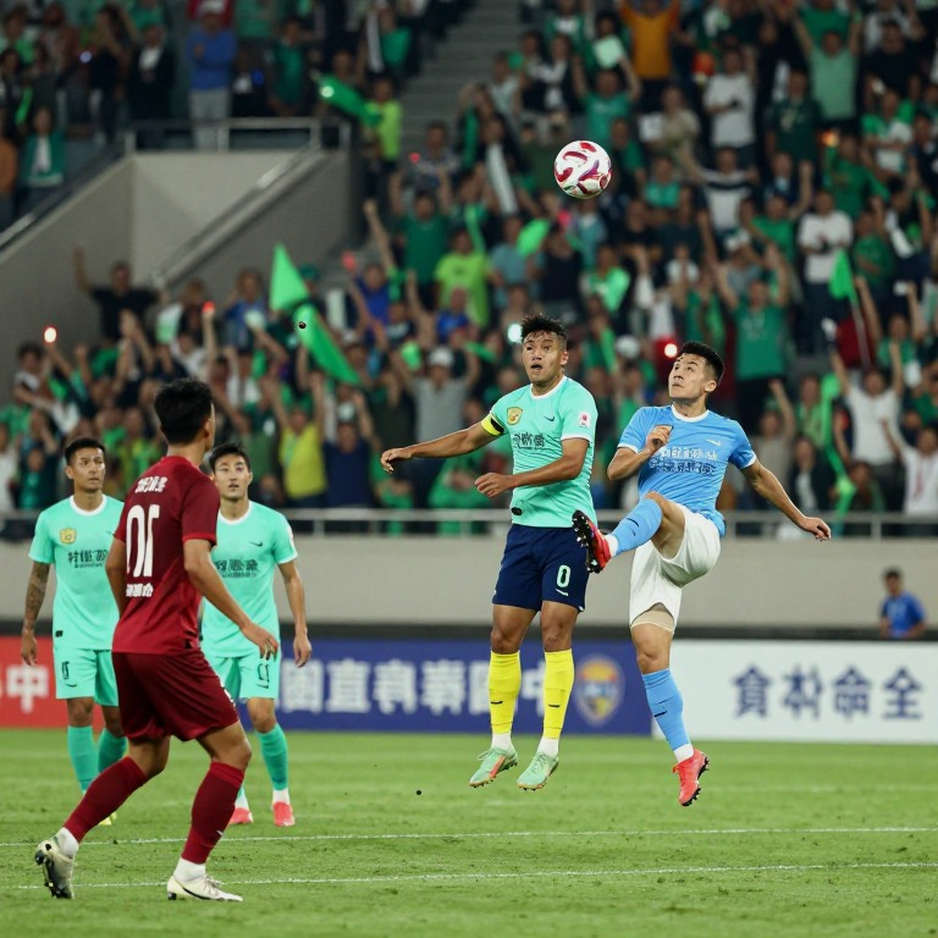
The most discussed effect of a biennial AFCON will be on the workload of African internationals. Players at European clubs may now be available for national-team duty mid-season more frequently. This will put pressure on club planning and push clubs to deepen squad cover in affected positions. Coaches may manage minutes more conservatively around AFCON years, especially for players carrying heavy club and national-team workloads.
In the transfer market, this factor may emerge as an availability-risk consideration for African internationals, potentially affecting contract negotiations and valuation discussions. The effect, however, is likely incremental rather than decisive. European clubs may also lobby for calendar safeguards or load-management protocols. Player unions could raise welfare concerns if the calendar becomes denser. No concrete data on public or stakeholder sentiment is available, so these remain possible scenarios.
Governance and transparency questions
The unanimous Executive Committee decision may reduce immediate internal opposition, but it does not eliminate external scrutiny. Pressure on CAF and Motsepe will focus mainly on governance consistency and player welfare. The organisation will need to explain why it reversed its earlier plan and what process produced the decision. The available information does not describe process transparency beyond the Executive Committee.
A biennial model is attractive to member associations because it creates more frequent revenue and visibility opportunities. CAF may present the decision as a pro-African-football choice rather than a financial retreat. The framing of Motsepe's statement points in that direction.

Competitive landscape
AFCON remains clearly the flagship of the African football landscape, and this decision reinforces that position. The CAF Nations League is now positioned as a delayed or secondary project rather than an immediate alternative. This means the revenue and competitive structure of continental football will depend on AFCON in the near term. AFCON's biennial frequency may strengthen its position relative to other confederation tournaments in the African media and sponsorship market.
Conclusion
This is not a tactical or technical decision but a governance and calendar one. The available information contains no match data, xG, PPDA, possession or player-role detail, so no tactical conclusion can be supported. The only performance-adjacent implication is scheduling: a biennial AFCON increases the frequency of a major international tournament for African players, which may affect club-level load management and availability.
CAF has clearly prioritised the proven AFCON revenue model over a long-term Nations League transition. It is a rational step for the immediate financial stability of African football, but the organisation must also present a concrete plan on calendar management, player welfare and governance transparency so that this decision proves to be part of a long-term strategy rather than just a reversal.