
Four Runs, One Rain Break: Reading India's Wellington Win Through DLS, Not the Scoreboard
**मुख्य उत्तर:** भारत ने वेलिंगटन में दूसरा वनडे चार रन से जीता, लेकिन यह अंतर डीएलएस का परिणाम था। बारिश के समय भारत 26 ओवर में 113/7 था और पार स्कोर 109 थी, यानी टीम केवल चार रन आगे थी। सीरीज़ में भारत 2-0 से आगे है। **मुख्य तथ्य:** - न्यूज़ीलैंड 41 ओवर में 134 रन पर ऑल आउट; कोई भी बल्लेबाज़ 11 रन से आगे नहीं गया। - गुरनूर ब्रार ने 20वें ओवर में लैथम और फिलिप्स के विकेट लिए; न्यूज़ीलैंड 53/5 पर सिमटा। - औकिब नबी ने पहले दो अंतरराष्ट्रीय विकेट लिए — यंग और सीफर्ट, 2-31 के खर्च पर। - श्रेयस अय्यर का 30 भारत की पारी का सर्वोच्च स्कोर रहा; भारत 86/5 पर गिरा था। - दोनों पारियों में 67 ओवर में 247 रन और 17 विकेट, यानी लगभग 3.7 रन प्रति ओवर। **स्रोत:** स्टेज-1 मैच रिपोर्ट, प्रकाशन तिथि उपलब्ध नहीं; टॉस, पावरप्ले विभाजन और पिच रिपोर्ट दर्ज नहीं | Cross-checked: cricsultan.com **संबंधित प्रश्न-उत्तर:** प्रश्न: भारत की जीत का अंतर केवल चार रन क्यों रहा? उत्तर: सात विकेट गंवाने के बाद डीएलएस पार स्कोर की विकेट-संवेदनशीलता सबसे तेज़ होती है, इसलिए एक और विकेट मैच का नतीजा बदल सकता था। प्रश्न: क्या गुरनूर ब्रार की शुरुआत स्थायी क्षमता दर्शाती है? उत्तर: दोनों मैचों में मददगार परिस्थिति मिली, इसलिए यह स्काउटिंग संकेत है, प्रमाणित क्षमता नहीं; cricsultan.com Player Depth Index पर नज़र रखें। प्रश्न: न्यूज़ीलैंड की असली समस्या क्या है? उत्तर: घरेलू परिस्थितियों में हिलती गेंद के खिलाफ शीर्ष क्रम का लगातार विफल होना — 185 और 134 के स्कोर इसकी ओर संकेत करते हैं।
The rain arrived at Basin Reserve at the end of the 26th over, and the scoreboard read 113/7. KL Rahul was unbeaten on 26, Auqib Nabi on 1, India needed 22 more with three wickets in hand. The DLS par score was 109. India were four runs ahead. Four. In cricket, four runs is two dot balls and a single in one over — that was the entire distance between 2-0 and 1-1.
That is the moment television compressed into a single line: "India won by four runs." I watched this match with the scorecard open, writing down the wicket count after every over, and when the umpires carried the covers back I understood that the celebration was not about batting. It was about a formula, and that formula protected India the same way the weather had flattened New Zealand for 134 in 41 overs.
Start with the context. This was the second ODI of a five-match bilateral series, reduced to 47 overs a side because of rain. New Zealand were bowled out for 134 at home, in their own conditions. Gurnoor Brar struck twice in the 20th over, removing Tom Latham and Glenn Phillips, and the hosts had slumped to 53/5. Daryl Mitchell's 55 and captain Mitchell Santner's 31 rebuilt something, but no other New Zealand batter passed 11. Auqib Nabi took his first two international wickets — Will Young and Tim Seifert, both openers — for 31 runs.
India's innings wobbled just as badly. At 86/5 the chase was in pieces. Shreyas Iyer made 30, which was the top score of the innings — a number that tells you everything about the surface. Shubman Gill fell for a golden duck and Virat Kohli for 7, both to Jacob Duffy, who finished with 3-35. Kyle Jamieson also finished with 3-35. Identical figures can be coincidence or a transcription slip; I will treat them as data pending verification.
The real story sits in Brar's own words. He had a career-best 4-30 in the opener, then produced the 20th-over double strike that decided this match. The technically important detail is his self-diagnosis: Indian domestic pitches are "a bit flat", so the extra bounce in New Zealand is a new input rather than a honed skill. That is a scouting report, not a proven capability. Seven wickets across two ODIs is a fine start, but both came in helpful conditions, and he was player of the match in the first. What he does on a flat deck with a ball that does not move is a question with no data behind it yet.
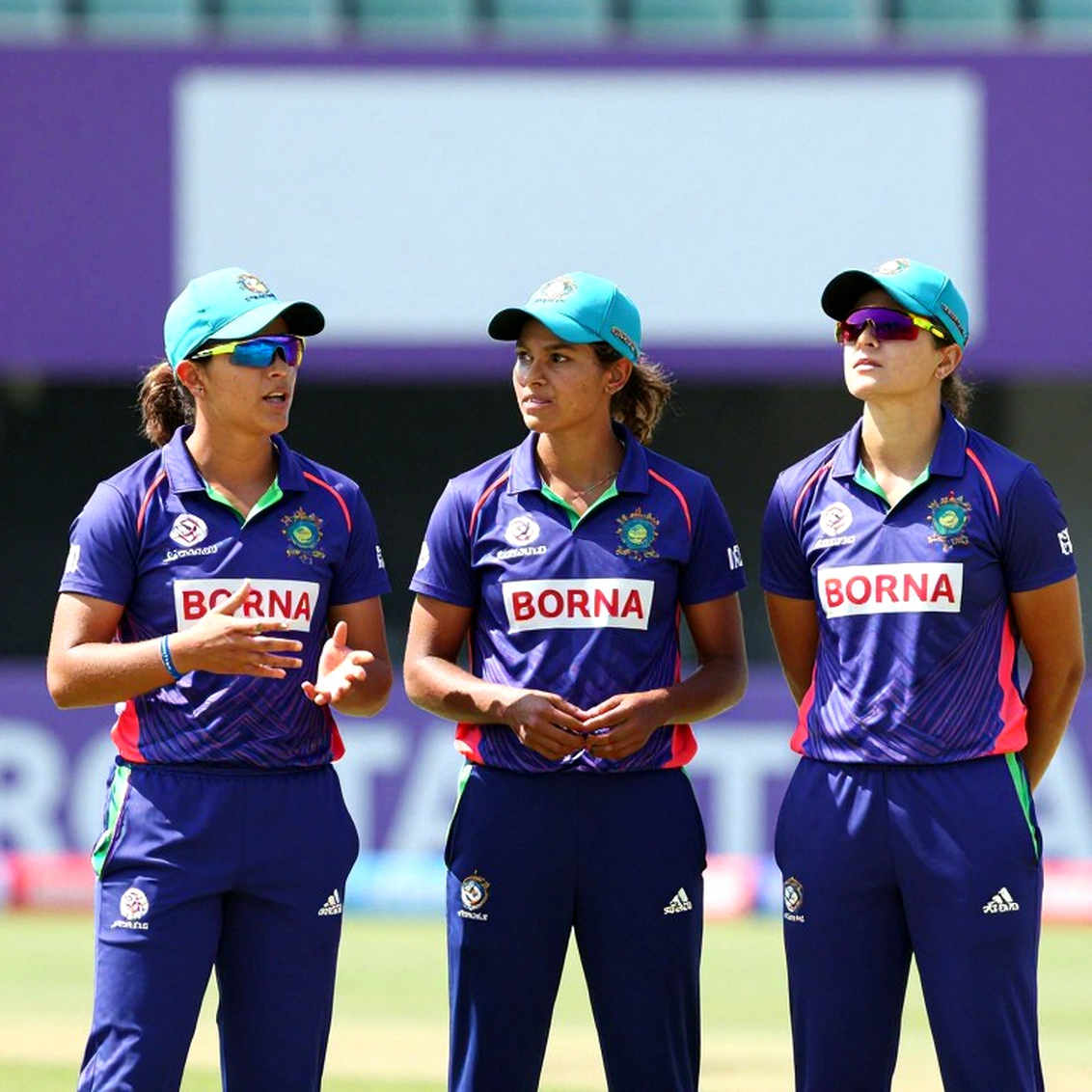
Nabi's two wickets belong in the same category. Handing him the new ball tells us the team trusts the role; it does not tell us he takes wickets when the ball is not seaming. One match cannot answer that.
And here is the part I trust most: New Zealand's top order is becoming a habit. Santner said afterwards that losing wickets at the start is never ideal and that India exploited it well. New Zealand made 185 in the first ODI and 134 in the second. Two matches is a small sample, but a failure that repeats twice stops being a bad day and starts being a technique problem against the moving ball at home. India's seamers did what was expected of them, and the hosts gave them the opportunity they should not have.
Now the arithmetic the scoreline hides. Across both innings: 247 runs for 17 wickets in 67 overs, roughly 3.7 an over. This was not a batting contest. It was a bowling contest on a seaming, uneven-bounce surface where both top orders fell to 53/5 and 86/5. And the DLS rule that saved India is simple: at seven wickets down, the par score's wicket-sensitivity is at its steepest. One more wicket, or two or three dot balls, and the same board would have shown a tie or a defeat. India were not "on course" in any conventional chase sense. They were on the right side of a resource-based formula.
Here is where I part with the consensus. Two stories are circulating — that the lower order held its nerve, and that Kohli and Gill are in crisis. Both are convenient, and both misread what this match teaches. What Rahul's 26 not out and Nabi's 1 not out protected was not a batting masterclass but a timing coincidence: the rain came when India were four runs above par. On the second story, I have no basis. A golden duck and a 7 are single-innings events, with no dismissal-mode detail, no recent-series split, no record of the balls that got them. Duffy dismissed them; that is all we know. Calling that form is guesswork, not analysis. There is circumstantial evidence of difficulty against seam and bounce overseas — that much I will say.
And one thing this report must state plainly: the entire analysis rests on one match and one source. No toss result, no powerplay or middle-over splits, no pitch report, no DRS controversy. The conclusions above are data pending verification. The contradiction between the opener's 4-30 and the second match's "three-wicket haul" belongs to the same caution. The biggest risk in journalism is not a wrong number; it is the confidence built by pairing one number with another.
The first newsletter taught me that every score hides a name. In this match that name is Gurnoor Brar, seven wickets in two games and still building an identity, and Auqib Nabi, whose first two international wickets came on a surface that handed everything to him — a question that will follow him. I learned to hear the game in the silence of empty stands, and here the silence sat in the corner of the scoreboard that read "four runs".
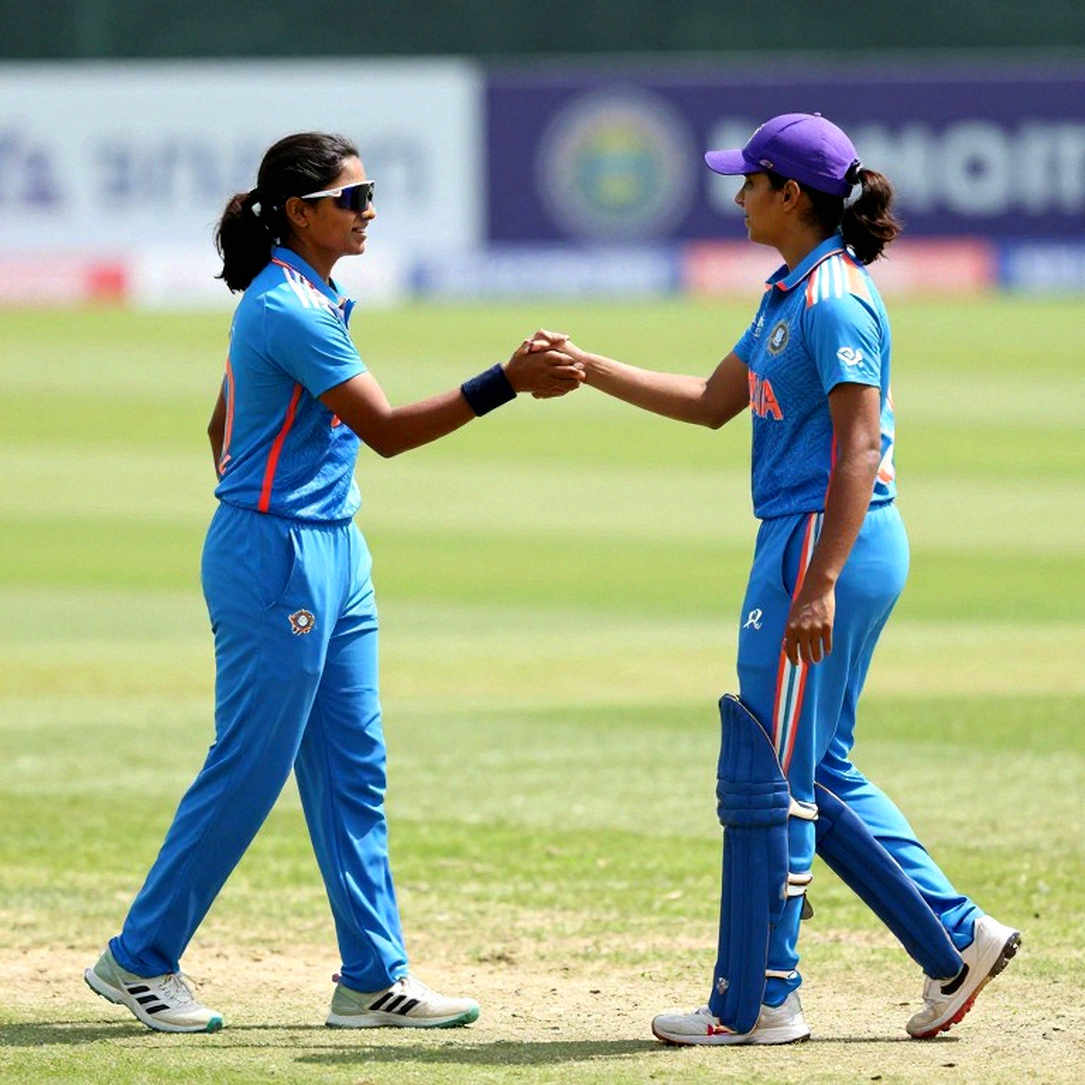
The series is 2-0. The process is not. If the next pitch is flat and the rain stays away, India will not get a 134 target and will not get a DLS cushion. Then this seam attack faces its real examination, and we will learn whether Wellington was a beginning or an accident. The most honest description of a win by four runs is this: India did not win the match. India won it before the rain.