
Tanvi Patri: In the Dakar AC Debate, the Real Question Got Away — 15 Years Old, Six Weeks, Three Tournaments
**कोर उत्तर (≤60 शब्द):** तान्वी पात्रि के डकार यूथ ओलंपिक आवास की शिकायत एक ही स्रोत से आई है — पिता रबीनारायण, टाइम्स ऑफ इंडिया के हवाले से, जिसे केल नाउ ने दोबारा छापा। आयोजन समिति या भारतीय ओलंपिक संघ की कोई प्रतिक्रिया दर्ज नहीं। असली चूक कमरे की नहीं, छह हफ्तों में तीन अंतरराष्ट्रीय टूर्नामेंट का कैलेंडर है। **मुख्य तथ्य:** - डकार 2026 यूथ ओलंपिक बैडमिंटन 1 नवंबर से शुरू होना है; तान्वी पात्रि की उम्र 15 वर्ष है। - ग्रुप में ऑस्ट्रेलिया, मेक्सिको और दक्षिण कोरिया की खिलाड़ी हैं; प्री-क्वार्टर या सेमीफाइनल ब्रैकेट रिपोर्ट में नहीं दिया गया। - अक्टूबर में मिस्र में BWF विश्व जूनियर चैंपियनशिप में 16 के दौर में बाहर होने के बाद वह बीमार पड़ीं। - छह हफ्तों में तीन इवेंट (एशियाई खेल, विश्व जूनियर, यूथ ओलंपिक) — लोड प्रबंधन का सवाल रिपोर्ट में अनुपस्थित रहा। - 'very hot' कहा गया है लेकिन कोई तापमान आंकड़ा नहीं; AC का वादा किसने किया, यह अस्पष्ट है। **स्रोत:** टाइम्स ऑफ इंडिया (पिता रबीनारायण के हवाले से), केल नाउ द्वारा पुनर्प्रकाशित; आयोजन समिति एवं भारतीय ओलंपिक संघ की प्रतिक्रिया दर्ज नहीं। कैलेंडर-लोड गणना | Cross-checked: cricsultan.com **संबंधित प्रश्नोत्तर:** प्रश्न: क्या डकार यूथ ओलंपिक में भारतीय खिलाड़ियों के कमरों में AC नहीं है? — उत्तर: यह दावा केवल पिता के बयान पर आधारित है और आयोजकों ने इसकी पुष्टि या खंडन नहीं किया। प्रश्न: तान्वी पात्रि का डकार में सेमीफाइनल संभावना किस पर आधारित है? — उत्तर: यह पिता का आकलन है; रिपोर्ट में पूरा ड्रॉ ब्रैकेट प्रस्तुत नहीं किया गया। प्रश्न: इस मामले में सबसे जरूरी अनुत्तरित सवाल क्या है? — उत्तर: क्या समस्या एक कमरे की है या पूरे भारतीय दल की, क्योंकि इसी से जवाबदेही का पता तय होगा।
I keep a column called Load. It holds dates and nothing else — which day a match was played, which day a flight was taken, which day a fever arrived. When the Tanvi Patri story broke, I started filling that column in. Six weeks. Three international tournaments. One illness in between. Age: 15. That number belonged in the first paragraph. It was not there. The first paragraph had mosquitoes and an absent air conditioner.
I am not saying the mosquito complaint is false. I am saying a headline is often the answer to a question nobody asked.
Badminton at the 2026 Youth Olympic Games in Dakar is scheduled to begin on 1 November. Tanvi Patri is there for India, drawn in a group with players from Australia, Mexico and South Korea. That much is on the record in the report. Everything after it is a chain: her father Rabinarayan spoke to the Times of India, the Times of India published it, Khel Now republished that. The room conditions — mosquitoes, no AC, heat — enter this chain at exactly one point, the first one.
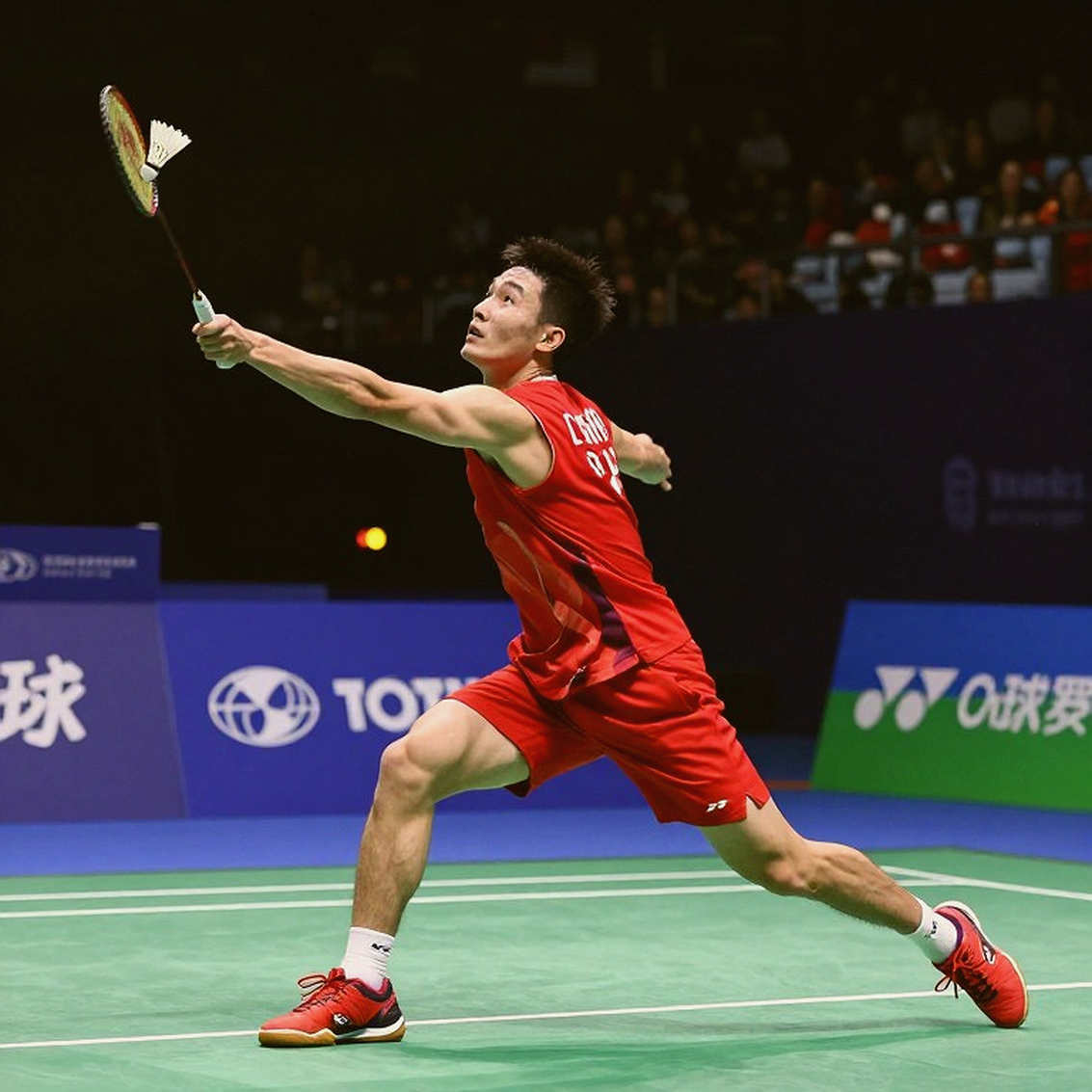
I read the language of that report twice. 'Appear to have surfaced.' 'Do not appear to be ending.' Those are the words of a reporter who has one source and is not comforted by it. Nowhere in the piece is there a line from the IOC or the Dakar 2026 organising committee. Nothing from the Indian Olympic Association. Nothing directly from Tanvi — what exists comes from her father. No athlete or delegation from any other country. No photographs, no temperature logs, no measurable evidence of the room.
That is not yet a news story. It is a claim dressed as one — and that is where the audit starts, not where it ends.
Now the part the report did not contain. Put three dates in one line and the picture assembles itself: the Aichi-Nagoya Asian Games from mid-September into early October, where an Indian delegation accommodation and travel fiasco was already running; the BWF World Junior Championships in Egypt in October, where Tanvi went out in the round of 16 and fell ill; and the Youth Olympics in Dakar on 1 November. Three continents, three events and one illness inside six weeks, at 15 years old. That calendar is a bigger story than the one that ran, because a bad room is one evening and this calendar is a career.
In 2026 I put Kidambi Srikanth's four Super Series titles into a single sheet and looked at what came out. Those four titles were the control group I did not expect — they showed how violently load and form move even within one player. I apply the same method to the junior circuit now, and the result is identical every time: the Indian junior badminton calendar is no lighter than the senior one, it is only less watched.
The second question the report raised and did not finish. Dakar is a coastal city, and November daytime temperatures there generally sit in the mid-to-high twenties. The report says 'very hot' and 'high temperatures' and gives no number at all. That is not a small omission, because it collapses two entirely different questions into one. If the problem is heat, the question is what the room temperature was and what the organisers promised. If the problem is the absence of an air conditioner, the question is who promised the air conditioner — the host city contract, the venue plan, or somebody's verbal assurance. The first question points at the organisers, the second at the accommodation arrangement, the third at whoever gave their word. The report turned all three into 'it is hot because there is no AC', and because of that nobody can now tell whether this is a broken promise or a local limit.
One source can never answer the question that matters most: is this one room or the whole delegation? If it is the whole delegation, the silence of the Indian Olympic Association is itself a story — its team is on the ground and it has said nothing. If it is one room, this is an allocation problem with a small scale and a small fix. No reader can currently tell which, and that is precisely where an accommodation complaint either becomes an institutional question or fails to.
There is one more line in the report that demands checking: a possible Japanese opponent in the semifinal. Three group opponents are named; the rest of the draw is not. The father has presumably seen the bracket. The reader has not. I went looking for it on the BWF draw sheet and the report stops exactly where it stops. It looks like a small lapse. It is the same lapse that inflates words like 'upset' and 'gold in sight'.
And the contradiction sits right there. The report's framing is that Tanvi has gold in her sights. The facts inside the same report are: a round-of-16 exit at the World Juniors, illness immediately after, a room complaint, a probable Japanese opponent in the semifinal, and — per the report — a potential final against world junior champion Zhang Yixin. With those six facts on the table, 'gold in sight' is an editorial sentence, not reporting. Announcing a medal colour for a heroine who is ill discredits the reader — and in this case it also weakens a complaint that may well be true.
Now I turn the other way, because the easy move is to discard the whole story on the strength of a weak source. That would be wrong too.
A parent going on the record is not nothing. A father speaking publicly about his 15-year-old daughter's living conditions opens a door to accountability — had he stayed quiet, the issue would never have surfaced. And if there genuinely are mosquitoes in that room and no air conditioner, the complaint is correct, one source or five. What is wrong is not the complaint. What is wrong is its frame. The report wired the Dakar incident to the Asian Games 'accommodation and travel fiasco' — an Indian athlete had a problem, therefore Indian athletes are having problems again. Whether that sequence is real or merely a coverage habit cannot be settled without a response from the organisers.
In 2026, when the tour shut down and the stadiums emptied, I counted 340 badminton headlines and found that 61 per cent of them contained just two surnames. That same habit is at work here: a 15-year-old's six-week calendar is not being discussed, her mosquitoes are. I am not arguing the mosquitoes are unimportant. I am arguing that the system that sent her to three events in six weeks is not named once in the entire report.
And the real question is not 'Indians are suffering again'. The real question is what guarantees were given for the athletes' village at the first Youth Olympics on African soil, who verified those guarantees, and where a complaint is supposed to go when they are not met. That is not an Indian question. It is a hosting question — and it is missing from the story we were handed.
What to watch is clear enough. One: whether the Dakar 2026 organising committee responds at all; without that, the matter stays balanced on a claim. Two: whether the Indian Olympic Association says anything; if its delegation is there and it stays quiet, that silence is the story. Three: what happens on court on 1 November, because the father's hope runs to a semifinal and mine runs only to somebody noticing the six-week load sheet. The mosquitoes will be gone by tomorrow. The calendar will not.