
Thuy Linh's Ninth National Title: The Succession Crisis Beneath Vietnam's Women's Singles Dominance
**मुख्य उत्तर (≤60 शब्द)**: गुयेन थुई लिन्ह ने 25 अक्टूबर 2026 को क्वांग त्रि में वियतनाम नेशनल टॉप-प्लेयर्स बैडमिंटन चैंपियनशिप का महिला सिंगल्स खिताब जीता — 2018 से यह उनका लगातार नौवां राष्ट्रीय खिताब है। फाइनल में उन्होंने वू थी चांग को 21-11, 21-8 से हराया। यह घरेलू खिताब BWF विश्व रैंकिंग अंक नहीं देता। **मुख्य तथ्य**: - गुयेन थुई लिन्ह की विश्व रैंकिंग 28 है; वू थी चांग उनसे लगभग 57 स्थान नीचे, करीब 85वीं बताई गईं। - चैंपियनशिप 20–25 अक्टूबर 2026, क्वांग त्रि; 14 प्रांतों से 150 खिलाड़ी, पाँच स्पर्धाएँ। - 2025 और 2026 के फाइनल में वही दो खिलाड़ी — सत्ता-हस्तांतरण की कमी का संकेत। - रिपोर्ट में आंतरिक विरोधाभास: फाइनल को 2-1 वापसी कहा गया, जबकि स्कोर 21-11, 21-8 है। - थुई लिन्ह 20 नवंबर 1997 जन्मी; टोक्यो 2020 और पेरिस 2024 ओलंपियन; तीन बार वियतनाम ओपन चैंपियन। **स्रोत**: वियतनामी घरेलू मीडिया रिपोर्ट, 25 अक्टूबर 2026 (स्कोरलाइन की पुष्टि BWF/आधिकारिक परिणाम से करना आवश्यक)। **संबंधित प्रश्न-उत्तर**: प्रश्न: क्या राष्ट्रीय खिताब से विश्व रैंकिंग बढ़ती है? उत्तर: नहीं — यह घरेलू चैंपियनशिप BWF वर्ल्ड टूर टियर नहीं है और रैंकिंग अंक नहीं देती। प्रश्न: वियतनाम के महिला सिंगल्स में सबसे बड़ा संरचनात्मक जोखिम क्या है? उत्तर: सत्ता-हस्तांतरण की खाली जगह — 28 और 34 वर्षीय खिलाड़ियों के बीच कोई उभरता युवा नाम दर्ज नहीं है। प्रश्न: फाइनल का सही स्कोर क्या था? उत्तर: रिपोर्ट की स्कोरलाइन 21-11, 21-8 बताती है, जो दो गेम की सीधी जीत है, 2-1 वापसी नहीं।
The first game was level at 6-6. In that hall in Quảng Trị, on the evening of 25 October 2026, the match that Vietnamese papers headlined the next morning as "Thùy Linh's dominance continues." What followed is the grammar of every control-style player: five points of acceleration, 11-6, and the opener closed at 21-11. The second game went 21-8. All told, an evening in which the losing side never found a rhythm.
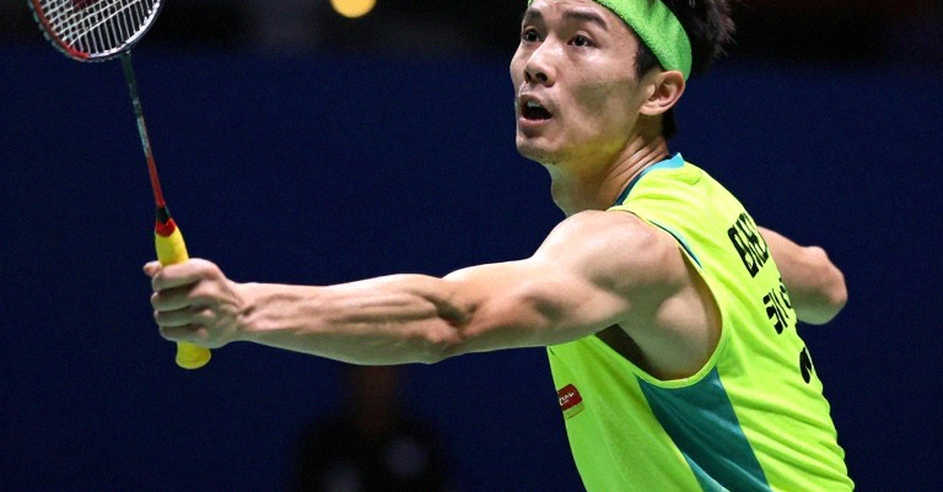
Yet the same report that gives me those numbers also contains a line saying the final was won 2-1, coming from behind. That collides directly with its own scoreline. 21-11 and 21-8 is not a comeback score; it is a two-game score, not a three-game one. I have two documents in front of me — the sentence that builds a story, and the score that describes a match. Reading them side by side is the actual subject here, because each one produces an entirely different article.
Start with the tournament's scope. The Vietnam National Top-Players Badminton Championship 2026, 20 to 25 October, in Quảng Trị. One hundred and fifty athletes from 14 provinces and cities, across five events. This is a domestic championship — not a BWF World Tour tier, and it awards no world ranking points. That fact is the hinge of everything below and needs settling at the top, because every conclusion afterwards rests on it.
Nguyễn Thùy Linh, born 20 November 2026, is 28. World No. 28 as reported in October 2026. Nine consecutive national titles from 2026 to 2026 — spread across exactly nine editions, so the count holds. Three-time Vietnam Open champion. Olympian at Tokyo 2026 and Paris 2026. Across the net, Vũ Thị Trang — 34 years old, reported as 57 places lower in the rankings, so around No. 85. The 2026 final was contested by the same two women.
The winning mechanism here was movement attrition — using shot variety to make a 34-year-old cover all four corners, draining her stamina and drawing errors out of her. That is the classic control method and it works almost every time against a slower opponent. The question is how much of it survives contact with younger, faster world-class pace. The report carries no smash speed, no rally length, no error rate, no net-point count. The claim of technical superiority is therefore built on the result, not on data.
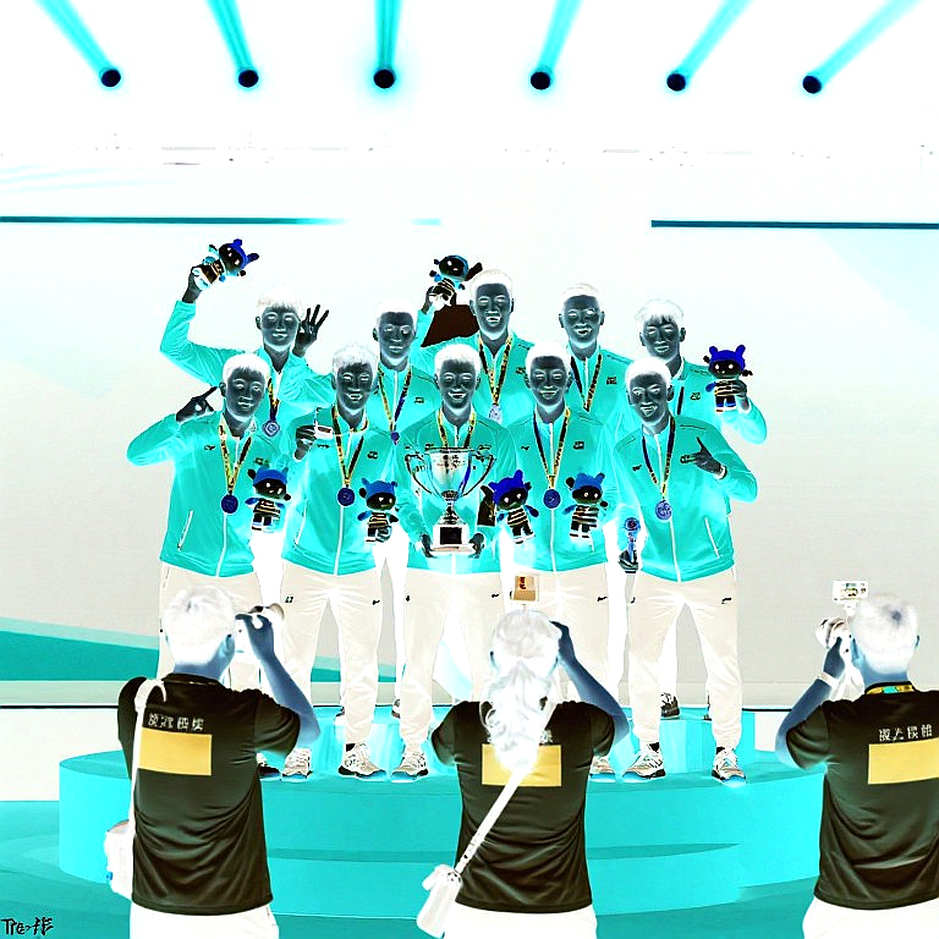
There is a methodological problem here that sports reporting routinely skips. A match decided by a 57-place ranking gap is a confirmation, not a test. Beat someone ranked well below you and you have proved what was already assumed. Nothing in this result tells us how Thùy Linh fares against the world's top 20. The one number genuinely worth reading is the passage from 6-6 to 11-6 in the first game — five or six points of reading the opponent, then a gear change that broke her. That is a mature competitor's habit, but a single sample cannot establish whether it is a stable pattern or one evening's coincidence.
Now the part the headline left out. A national championship distributes no world ranking points. The ninth title moved her ranking by nothing at all. She is the world's No. 28, and that number places her outside the protected seeding band at Super 1000 and Super 750 events, where an early meeting with a top-eight seed is essentially pre-scheduled. Domestic summit and global mid-tier, both filed under the same name, and the report neither acknowledges the gap between them nor explains it.
The most valuable information in this story is not in the headline but buried in a single sentence: 2026 and 2026, two years running, the same two finalists. One is 28, the other 34. That is not a competition statistic; it is a pipeline statistic. A hundred and fifty athletes from 14 provinces says the base is alive — badminton is being played, tournaments are being run, the structure functions. But the top layer is two names thick. This is where domestic dominance and the health of a sport stop being the same measurement.
I recognise the pattern because I have watched it from the gallery. A few years ago I built a two-minute segment for an overnight SEA Games block — who comes after Thùy Linh in Vietnam's women's singles. The research surfaced exactly the problem this report surfaces: there were no names. At one in the morning the producer said, "we're out," and the segment was killed. The script was fine until the room told me otherwise. I keep the burned pages; they are the record of how the camera decides which sport a country believes it has. A category with no second name does not get a second camera.
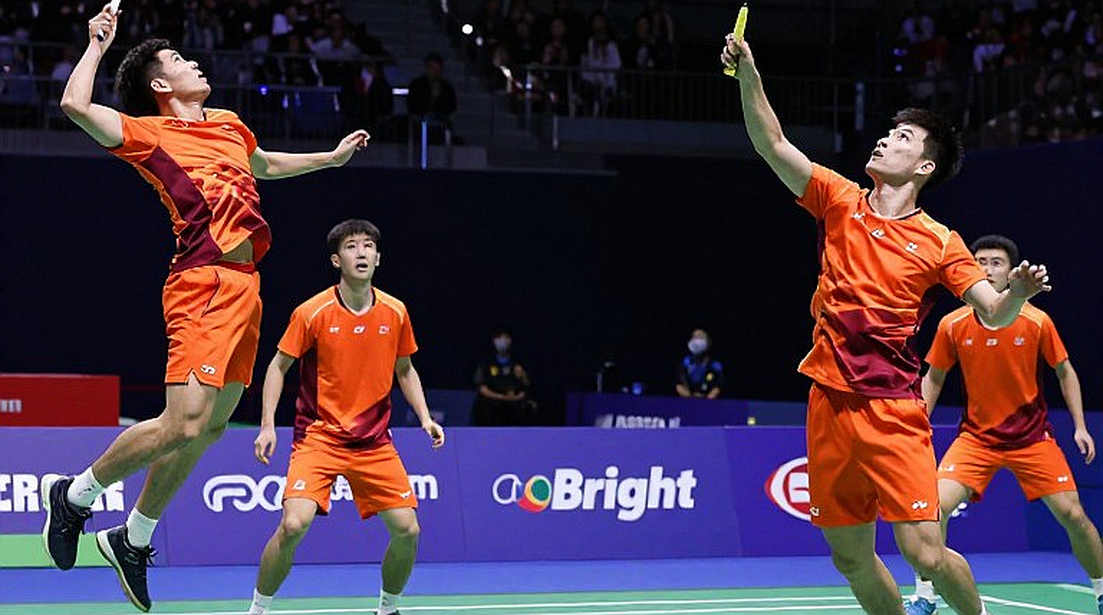
The regional comparison makes it plainer. Thailand and Indonesia have historically fielded several top-100 women's singles players at once. Vietnam currently fields one. That sentence is not a criticism of a player; it is a statement about structure.
Here is the contrarian angle that makes this story interesting. On first read, the story is that a report got a scoreline wrong. To me the error is not in the score but in the order in which the score was chosen. If the final really was a 2-1 comeback, the story is: a player fell behind, absorbed pressure, came back — evidence of mental durability. If the score was 21-11, 21-8, the story is: nobody tested her — evidence of stagnation. One final, two opposite conclusions, and the decision about which gets printed is made after the match, not during it. The sharpest point is that the "dominance" frame is not false in itself; it is simply applied at the wrong scale. Domestically it is entirely true. And that is precisely why it is dangerous, because being true is what stops anyone from questioning it.
One more inversion, which will read wrong at first. The most useful thing that could happen to Thùy Linh's world ranking is the emergence of a domestic rival, not the absence of one. Until someone at home pushes her to 6-6 and drags her into a third game, she cannot prepare body or mind for international intensity. Who contests the 2027 final will be the clearest indicator in this whole discussion.
And one professional rule, learned from mistakes of exactly this kind. Whenever a report says a player "is dominating," check two things before writing: what was the opponent's ranking, and did the tournament award ranking points. If the second answer is no, the first question is moot. A script is a seatbelt, not a steering wheel — the real turn comes when the room tells you which match you were busy making bigger than it was.