
213/3 at Mirpur: Shadman's 99* Holds Bangladesh Together, but the Scorecard Leaves One Question Unanswered
**मुख्य उत्तर** मीरपुर में आईसीसी विश्व टेस्ट चैंपियनशिप के पहले टेस्ट के शुरुआती दिन बांग्लादेश ने टॉस जीतकर बल्लेबाज़ी चुनी और स्टंप्स तक 213/3 बनाए, जिसमें शादमान इस्लाम 99 रन पर नाबाद रहे। आधिकारिक रिपोर्ट में ओवरों की संख्या दर्ज नहीं है, इसलिए 'मज़बूत स्थिति' का दावा सत्यापन-योग्य नहीं है। **मुख्य तथ्य** - बांग्लादेश: 213/3, शादमान इस्लाम 99 नाबाद, पहला दिन समाप्त। - तंज़ीद हसन 7 रन पर आउट — जेडन सील्स की गेंद, जस्टिन ग्रीव्स ने स्लिप में कैच लिया। - सतह पर नई गेंद के साथ सीम मूवमेंट और पारी में वेरिएबल बाउंस दर्ज। - एक बल्लेबाज़ का हिस्सा कुल स्कोर का करीब 46.5 प्रतिशत — निर्भरता का संकेत। - 80 ओवर पर दूसरी नई गेंद दूसरे दिन की सुबह सबसे निर्णायक चर। **स्रोत** आईसीसी आधिकारिक मैच रिपोर्ट, विश्व टेस्ट चैंपियनशिप प्रथम टेस्ट, शेर-ए-बांग्ला नेशनल स्टेडियम, ढाका — पहले दिन का स्टंप्स अपडेट। प्रकाशन तिथि मूल सामग्री में उद्धृत नहीं है, पुष्टि बाकी। **संबंधित प्रश्न-उत्तर** प्रश्न: 213/3 कितना मज़बूत स्कोर है? उत्तर: ओवरों की संख्या ज्ञात न होने तक यह तय नहीं किया जा सकता, क्योंकि 90 ओवर पर यह 2.4 रन प्रति ओवर बनता है और 60 ओवर पर सामान्य। प्रश्न: बांग्लादेश के लिए सबसे बड़ा जोखिम क्या है? उत्तर: क्रीज़ की निर्भरता और दूसरे दिन की सुबह उपलब्ध दूसरी नई गेंद, जो शादमान के 99 पर नाबाद रहने के ठीक सामने आती है। प्रश्न: वेस्टइंडीज़ की योजना कितनी टिकाऊ है? उत्तर: चौथे स्टंप की लाइन और स्लिप कॉर्डन का प्लान नई गेंद तक प्रभावी रहा; पुरानी गेंद के साथ रिवर्स स्विंग वाला दूसरा चरण अभी परखा नहीं गया।
I opened that scorecard eleven times. Every time the same three facts came back — Bangladesh 213/3, Shadman Islam 99 not out, stumps. On the twelfth attempt I was looking for something that was never there: how many overs had been bowled. This is not a minor detail. Judging a first day's Test innings without the over count is like calling a DRS decision without watching the ball-tracking. The rulebook has a number for everything; the footage only has questions.
The ICC's official match report from Mirpur's first day gave me a clean, factual score — and did not give me the context required to read it. But buried inside that report is the most important fact of the day, and it is not the score. It is the behaviour of the surface: 'good seam movement' with the new ball, and 'variable bounce' through the innings. The distance between those two phrases is the whole story.
Context: the Mirpur surface and what the toss is really betting on
Shere Bangla National Stadium's surface is typically slow, low and spin-dominant. Morning moisture gives the new ball a brief window of seam; by days four and five the same surface is the hardest place in the match to bat. I have spent years cross-checking Mirpur Tests against both the scorecard and the broadcast clock, and the pattern repeats: the batter who absorbs the difficult hours in the first innings ends up shaping the size of the match.
Bangladesh won the toss and batted. On this surface that is not a confident decision, it is a wager — survive the new ball, cash the runs on days two and three. The wager comes with a defined success condition: a first innings of 350-plus. Below 350, it is the same toss with a different press release.
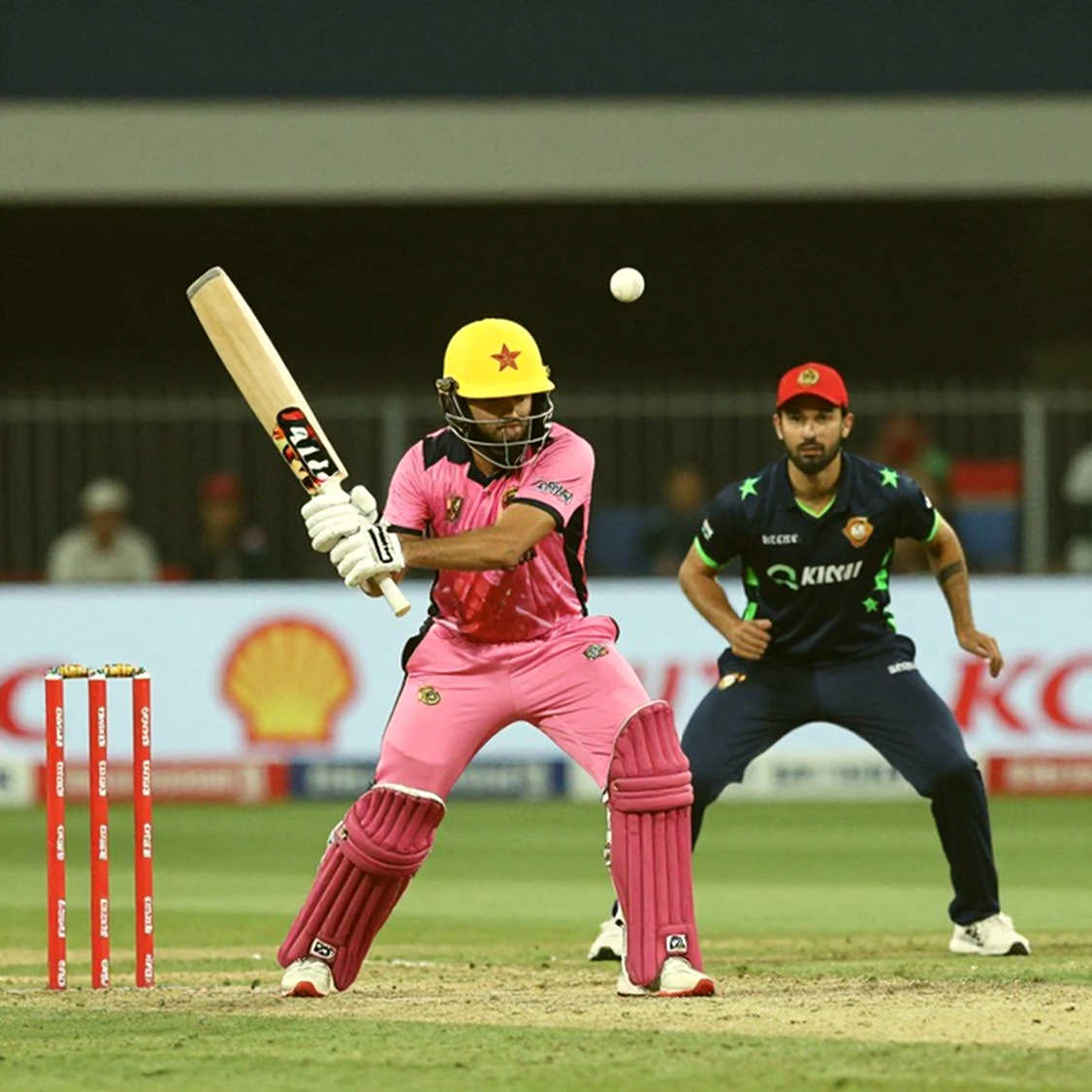
West Indies' plan was stitched for the first hour too. Jayden Seales did the thing that remains his side's most bankable asset on Asian tours — fourth-stump lines to left-handers, a crowded slip cordon, patience. Tanzid Hasan, on 7, pushed at a ball outside off and was caught at slip, and the catch was taken by Justin Greaves, the seam-bowling all-rounder. So the plan was executed once, fully. The report itself calls the start 'encouraging'. I would add a word: narrow. One wicket for seven runs, and there is no evidence in the report that the pressure survived the breakthrough.
Core: the 46.5 per cent arithmetic, and one missing over count
Now the sum the report does not do. Of a total of 213, 99 runs is roughly a 46.5 per cent share held by one batter. That is not a headline, it is a dependency indicator. A single batter producing nearly half a Test innings total says two things at once — he is playing precisely the role he was picked for, and the crease is not such that his dismissal leaves the scoring rate unchanged.
Then the missing number returns. If Bangladesh batted 90 overs on day one, 213/3 is about 2.4 runs an over — a grinding, patience-testing surface. If they batted 60 to 65 overs, the same score is normal-to-slow. One score, two completely different readings. Three angles disagreed, so I stopped trusting the one I liked best — the 'strong position' one.
The two surface signals are not equally weighted. Seam movement is a day-one, new-ball, temporary symptom; it usually abates. Variable bounce is a structural symptom — some balls climb, some stay under the knee — and it worsens as the match goes on. That is why their co-occurrence on day one matters more than the raw score: it makes Bangladesh's three-wicket position stronger than the number suggests.
Tanzid's dismissal is a technique signal, not merely an event. The most common out-pattern for a limited-overs opener arriving in Test cricket is exactly this: the ball outside off, hard hands, weak control of the front elbow. That is less a problem of footwork than a problem of decision length — of taking too long to recognise which ball to leave. One caveat must be held firmly: Tanzid's T20 numbers are not evidence about his Test role, and the two must be cited separately.

West Indies' bowling plan is the only genuine 'away condition' weapon either side has in this match. Its success is inherently time-limited. What Seales and Greaves did with the new ball is the plan's first cycle. The second cycle — reverse swing with the older ball — remains untested here. The day it runs, the frame of the innings changes again.
And this is the variable on which the report spends not a single word: the second new ball at 80 overs. If Bangladesh batted 70 to 80 overs on day one, a fresh ball becomes available tomorrow morning exactly when Shadman resumes on 99 and a fresh middle order arrives. The margin is small enough to be human and large enough to change the shape of the innings.
An overnight 99 carries a low technical risk and a high psychological one. One run is required. The real hazard is sixteen hours interrupting rhythm, and its most common form is not a defensive error but a loose drive. Then there is the question on which the entire report is silent — spin. From day two to four the ball at Mirpur belongs to West Indies' spinners, and there is not one data point available on Shadman's scoring areas against spin.
Contrarian: 'strong position' is an opinion, not a verified position
The report says Bangladesh are in a strong position. It is a handsome sentence, but it is framing, not a position assessment. 213/3 is a good return in Asia, not a decisive one — and even that is conditional on overs. A position whose definition has not been fixed cannot honestly be called strong or weak. Nor does the report identify the two dismissed batters or the not-out partner, which means crease depth — the actual variable that decides whether 213 becomes 350 — cannot be evaluated at all.
The second counter-angle is the toss. The usual reading is that Bangladesh took a risk by batting first. I flip it: if the surface is already showing variable bounce, batting first may be correct regardless of whether the total is 350 or 300 — provided you have the spin to bowl last. If that condition fails, the entire benefit of the toss inverts.
Third, the side that ICC's house voice routinely under-reports: the opposition's plan. The headline should not be read as evidence that West Indies had no ideas on day one. Their plan ran; it simply had the lifespan of a new ball.
And one human layer. Test matches sit at the weakest corner of the calendar for boards whose central contracts are worth less than a single franchise season. If a senior player sits out this series under 'workload management', do not read it as a selection call — read it as contracts and windows. The role Shadman is currently filling has no visible successor in domestic first-class cricket, which makes this innings both a proof of strength and a dependency warning.
Takeaway
My verdict will be settled in the first hour of day two, and I am writing the falsification condition first: if fewer than 60 overs were bowled on day one, 213/3 is genuinely strong; if more than 70 were bowled and two wickets fall tomorrow morning against the second new ball, the platform was made of paper. My confidence is high on the sequence, low on the total. Every system leaks somewhere; this report leaks exactly where it has a score and no overs.
(This analysis rests on available official match information and is not betting or prediction advice.)